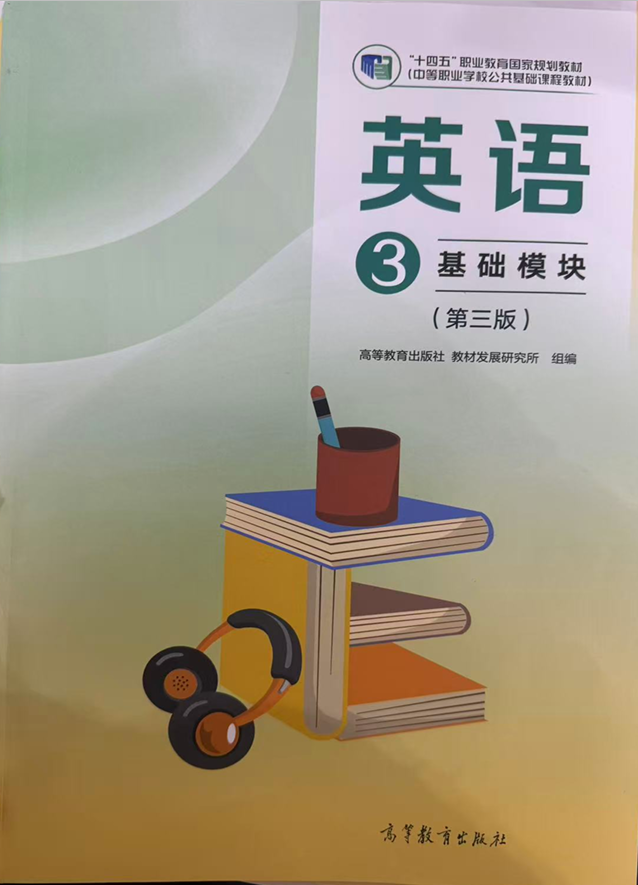
1.3 Festivals Around the World-Language Practice(课件)-《英语 基础模块3》(高教版第三版)【上好课】
2026-03-10
|
31页
|
797人阅读
|
1人下载
精品
内容正文:
Language Practice
Unit 1
Festivals Around the World
《英语 基础模块3》
(高教版 第三版)
Knowledge objectives
Ability objectives
Emotional objectives
To learn about the basic rules of non-finite verbs as an object.
To use non-finite verbs as an object correctly in different context.
To develop the good habit of using language correctly in daily life through the study and practical application of grammar..
Learning Objectives
Grammar
Grammar Practice
Vocabulary
Summary
Contents
Grammar
Grammar 非谓语动词作宾语
I plan to go back home.
People begin to decorate their homes and gardens
with lights.
People prefer celebrating by watching yangge
performances.
People in Guangzhou like watching lion dances.
What grammar do these sentences show?
non-finite verbs as an object
非谓语动词作宾语
5
非谓语动的定义
非谓语动词是指在句子中不作谓语的动词形式。
主要包括动词不定式、动名词和分词(现在分词和过去分词)三种形式。
非谓语动词除了不能作句子的谓语外,可以充当句子的任何成分。
非谓语动词的结构及功能
动词形式 主语 宾语 表语 定语 状语 宾语补足语
不定式
动名词
现在分词
过去分词
√
√
√
√
√
√
√
√
√
√
×
×
×
×
×
×
√
√
√
√
√
√
√
√
非谓语动词作宾语的用法
1.动词不定式作宾语
(1)动词不定式的概述
动词不定式属于非谓语动词,其基本形式为 “to十动词原形”,但有时可以不带to,其否定形式为 “not十动词不定式”。
它在句中可以担任除谓语以外的任何成分,没有人称和数的变化。
(2)动词不定式在句中作宾语
动词不定式可以作某些动词的宾语,常见的有 afford(承担得起)、agree(同意)、aim(以......为目标)、arrange(安排)、ask/demand(要求)、choose(选择)、decide(决定)、expect(期望)、happen(碰巧)、hope/wish(希望)、help(帮助)、learn(学习)、like(喜欢)、hate(讨厌)、manage(设法做成)、fail(没能)、offer(主动提出)、plan(计划)、prepare(准备)、pretend(假装)、promise(答应)、refuse(拒绝)、wait(等待)、want(想要)等。
1.动词不定式作宾语
I hope to be an astronaut. 我希望成为一名宇航员
Why did you finally decide to tell me? 为什么你最终决定告诉我?
动词 decide、know、learn、show、teach、tell等可接疑问词+to构成的不定式短语作宾语。
I want to know what to do first. 我想知道首先做什么
Could you please tell me where to parkmycar? 请你告诉我把车停哪儿好吗?
1.动词不定式作宾语
注意
如果宾语太长,可用it作形式宾语,而把动词不定式后置,构成“主语十谓语十it十宾语补足语(名词或形容词)十to do sth”的结构,谓语动词常为find(发现)、think(认为)、feel(感到)等。
I found it difficult to learn physicswell.
我发现学好物理很困难。
We think it impossible for us tostop him.
我们认为要阻止他对我们来说是不可能的。
1.动词不定式作宾语
1. She decided ______ a new bag.
A. buy B. to buy C. buying D. buys
2.They hope ______ the game tomorrow.
A. win B. to win C. winning D. won
3.I plan ______ to Beijing next week.
A. to go B. go C. going D. goes
4.He promised ______ me with my English.
A. help B. helps C. helping D. to help
5. I find ______ important ______ English every day.
A. it; learn B. that; learn C. it; to learn D. this; to learn
即学即练
B
A
D
C
B
动词-ing形式是非谓语动词的一种,由“动词原形十ing”构成,它包括动名词和现在分词。
动名词有名词的特性,在句子中可作主语、表语、宾语和定语;现在分词有形容词和副词的特性,在句中可作表语、定语、宾语补足语和状语。
动词-ing形式在句中不能独立作谓语,其否定形式是在动词-ing形式前加not。
1.动词 -ing 形式作宾语
(1)动词 -ing 形式的概述
在动名词和现在分词中只有动名词可作动词的宾语,也可作介词的宾语,常放在admit、 allow、advise、avoid、consider,delay、escape, enjoy, finish, forbid, keep. imagine.mind,miss, practice, risk, suggest, be used to,can't help, feel like、 give up, look forward
to、pay attention to、succeed in 等之后。
He is considering changing a new job.
他正考虑换个新工作。
tonight.I don't feel like playing tennis我今晚不想打网球。
1.动词 -ing 形式作宾语
(1)动词 -ing 形式在句中作宾语
①一些动词、动词短语和“be十形容词”的结构后面常跟动名词作宾语,常见的有:
mind, enjoy, practice, keep, finish, risk, avoid, advise, suggest, consider, imagine, delay, miss, allow, permit, put off, can't help,
can't stand, feel like, be worth, be busy等
I enjoy listening to pop music.我喜欢听流行音乐。
We can't imagine walking on the moon.我们无法想象在月球上行走。This book is worth reading.这本书值得一读。
在动名词和现在分词中只有动名词可作动词的宾语,也可作介词的宾语,常放在admit、 allow、advise、avoid、consider,delay、escape, enjoy, finish, forbid, keep. imagine.mind,miss, practice, risk, suggest, be used to,can't help, feel like、 give up, look forward
to、pay attention to、succeed in 等之后。
He is considering changing a new job.
他正考虑换个新工作。
tonight.I don't feel like playing tennis我今晚不想打网球。
1.动词 -ing 形式作宾语
(1)动词 -ing 形式在句中作宾语
② “动词十介词十doing"结构中的动名词可以作介词的宾语,常见的有succeed in doing, worry about doing, agree on doing , apologize for doing, believe in doing, dream of doing, insist on doing, look forward to doing, object to doing , prefer doing to doing, stick to doing, think of doing, think about doing, turn to doing等。
If we have no kwe cannot succeed in doing any work knowledge.
如果我们没有知识,做任何事情都不能成功。
1.She practices ______ English every morning.
A. speak B. speaking C. to speak D. speaks
2. They finish ______ their homework before dinner.
A. do B. to do C. doing D. did
3.He avoids ______ late for school.
A. be B. being C. to be D. is
4. We look forward to ______ you soon.
A. see B. seeing C. to see D. sees
5.I can’t help ______ when I hear the good news.
A. laughing B. laugh C. to laugh D. laughs
B
即学即练
C
B
B
A
3.既能接不定式又能接动名词的动词或短语
有些动词或短语后既可根不定式作宾语,也能跟动名司作宾语,但意思不同。
(1) remember to do sth 记住要做某事
remember doing (having done) sth. 记得(曾经)做过某事
(2) forget to do sth忘记了要做某事
forget doing (having done) sth. 忘记(曾经)做过某事
(3) regret to do sth. 遗憾/抱歉要做某事
regret doing (having done) sth 后悔做过某事
3.既能接不定式又能接动名词的动词或短语
(4) stop to do sth. 停下来做另一件事
stop doing sth.停止做某事(同一件事)
(5) try to do sth.尽力做某事
try doing sth.试着做某事
(6) mean to do sth.打算做事
mean doing sth.意味着做某事
(7) can't help to do sth.不能帮助做某事
can't help doing sth. 忍不住做某事
(8) go on todo sth. 继续做不同的事
go on doing sth. 继续做同样的事
3.既能接不定式又能接动名词的动词或短语
(9) like/prefer/love/hate to do sth.喜欢/喜欢/喜欢/不喜欢做某事(表示具体的一次性动作)
like/prefer/love/hate doing sth.喜欢/喜欢/喜欢/不喜欢做某事(表示抽象的习惯性动作)
(10) want/need/require to do sth. 想/需要/要求做某事(人作主语)
want/need/require doing 需要被做(物作主语)
(11) be afraid to do sth. 不敢做某事
be afraid of doing sth. 害怕做某事
3.既能接不定式又能接动名词的动词或短语
Don't be afraid of losing face. 不要害怕丢面子。
The gir was afraid to go out alone at night. 这个女孩不敢晚上独自人出去。
I forget seeing the man before. 我忘记了以前见过那个人。
I forgot to post the letter when I went to town. 进城时我忘了邮寄那封信。
例句:
1.Please remember ______ the door when you leave.
A. lock B. locking C. to lock D. locked
2. Stop ______. The teacher is coming.
A. talk B. talking C. to talk D. talks
3.I tried ______ the window, but it was locked.
A. open B. to open C. opening D. opened
4. He read the text, then went on ______ some questions.
A. to answer B. answer C. answering D. answered
5.He is afraid ______ mistakes in the exam.
A. to make B. of making C. make D. making
C
即学即练
B
C
A
B
1) The whole class expects to attend the celebration.
2) Mary is visiting my hometown this month.
3) The students volunteer will come to help organize the celebration.
4) His grandpa enjoys reading novels.
5) My son likes flying kites more than anything else.
6) I prefer going to the library and the museum on weekends.
15. Read and group. 找出与下面结构相同的句子并归类。
V+doing
People prefer celebrating by watching yangge
performances.
V+to do
I plan to go back home.
1)
3)
4)
5)
6)
22
16. Read and match. 将左右两栏匹配,组成完整的句子。
1) Tom is a big fan of Chinese culture.
He likes ( )
2) During the winter vacation, we plan ( )
3) For business trips, Helen prefers ( )
4) Many foreign students expect ( )
5) The party is tomorrow. Let’s begin ( )
A. watching Peking Opera.
B. traveling by air.
C. to prepare for it.
D. to spend a few days by the sea in
Sanya.
E. to stay in China after graduation.
B
E
C
A
D
17. Read and complete. 读短文,用所给词语的适当形式补全 Robert 的讲述。
My friend, Li Fei, planned 1) (go) back home to celebrate the
Mid-Autumn Festival. She invited me 2) (come) with her. I
accepted the invitation because I wanted 3) (learn) more about
Chinese culture. Then we began 4) (book) tickets. At
first, Li Fei wanted to take trains, but I preferred 5) (take)
a flight. After a discussion, we decided 6) (order) train tickets.
to go
to come
to learn
booking / to book
taking / to take
to order
24
Vocabulary
25
18. Read and choose. 读句子,注意画线词的词义,选择正确答案。
1) Which of the following is a traditional handicraft?
A. A paper-cut.
B. The lion dance.
C. The Great Wall.
2) Which of the following is similar to the Mid-Autumn Festival?
A. Songkran.
B. Thanksgiving.
C. Halloween.
3) What don’t you usually do to celebrate festivals in our country?
A. Watch lion dances.
B. Receive gifts in stockings.
C. Have a reunion dinner.
4) What do you expect if you cannot finish your task as required?
A. A punishment.
B. Praise.
C. An invitation.
5) In Chinese culture, the full moon is a symbol of .
A. harvest time
B. family reunion
C. good weather
惩罚
奖励
19. Read and complete. 用所给词的适当形式补全句子。
appreciate
tradition
decorate
celebrate
expect
1) The moon cake is the food for the Mid-Autumn
Festival.
2) The local people the Spring Festival in their own
ways.
3) We could see , like bells and lights on the
Christmas tree.
4) I your help during my stay in London.
5) Their house is even more beautiful than I .
traditional
celebrate
decorations
appreciate
expected
located
20. Read and complete. 读短文,完成有关春节的描述。
The Spring Festival is the beginning of the Chinese New Year. Chinese people in different places 1) their homes and 2) this festival with different activities.
People in northern China like watching yangge 3) and going to temple fairs to buy traditional handicrafts and taste local snacks. In southern China, people
4) watching lion dances and visiting flower fairs. On the Chinese New Year’s Eve, all families get together to enjoy a big dinner. Jiaozi is a typical 5) food for this 6) .
For Chinese people, the Spring Festival means a big family 7) . They give best wishes to each other and 8) .a happy and blessed new year.
decorate
celebrate
performances
prefer
traditional
festival
reunion
expect
attractive
非谓语动词作宾语
Summary
Homework
1.复习非谓语作宾语的教学内容,整理课堂笔记。
2.拓展作业:请同学们完成练习册的相关内容,巩固语法知识。
Thank you !
$
资源预览图

1

2

3

4

5

6
由于学科网是一个信息分享及获取的平台,不确保部分用户上传资料的 来源及知识产权归属。如您发现相关资料侵犯您的合法权益,请联系学科网,我们核实后将及时进行处理。