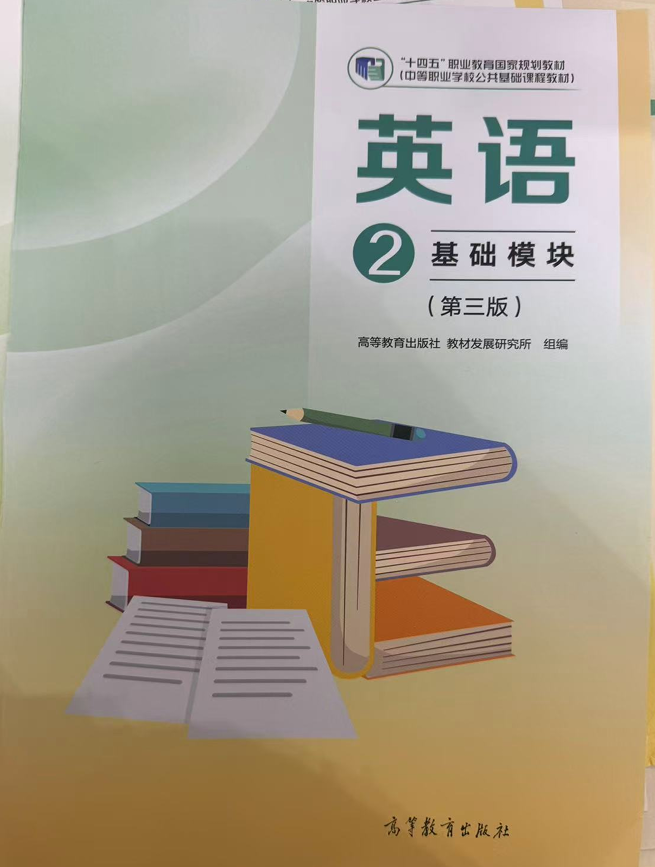
2.3 Health and Fitness-Language Practice(教案)-《英语 基础模块2》(高教版第三版)【上好课】
2026-03-06
|
6页
|
639人阅读
|
2人下载
精品
内容正文:
课 题
《英语 基础模块2》
(高教版第三版)
Unit 2 Health and Fitness
课 型
Language Practice
课 时
2
授课班级
授课时间
80mins
授课教师
教材分析
(Textbook Analysis)
本课时是《英语 基础模块2》Unit 2的语言练习课,围绕健康与健身主题展开,核心聚焦主语+系动词+表语、主语+谓语+宾语+状语、There be三大基础英语句型。教材将句型知识与健康生活的语境结合,通过例句、练习、情景应用等形式,让学生在主题语境中掌握句型结构和用法,既夯实英语语法基础,又能提升学生在健康相关话题中运用英语进行简单表达的能力,是对单元阅读和听说内容的语法巩固与语言输出铺垫,符合中职英语“实用为主,够用为度”的教学原则。
学情分析
(Study situation analysis)
授课对象为中职高一下学期学生,学生已掌握基础的英语词汇和简单句式,具备初步的英语听说读写能力,但对英语句型的系统结构认知较为薄弱,易混淆系动词和实义动词、There be句型的就近原则等知识点。中职学生学习英语的主动性较弱,对枯燥的语法讲解兴趣不高,但乐于参与课堂互动、游戏和情景练习等活动。同时,学生对健康与健身的日常话题较为熟悉,具备相关的生活常识,便于在熟悉的语境中理解和运用句型。
教学目标
(Learning objectives)
Knowledge and Skills
1. Students can master the three basic sentence structures: Subject + Linking Verb + Predicative, Subject + Predicate + Object + Adverbial and There be structure.
2. Students can identify the components of the three sentence structures and correctly use common linking verbs, grasp the proximity principle of There be structure and its negative and interrogative forms.
3. Students can use the three sentence structures to make correct sentences and simple conversations about the theme of health and fitness.
Process and Methods
1. Students can improve their ability of sentence analysis and language application through observation, practice, group discussion and situational communication.
2. Students can develop cooperative learning ability and autonomous learning ability in group tasks and interactive games.
Emotional Attitudes and Values
1. Students can cultivate the awareness of healthy living through learning the health-related theme and enhance their interest in English learning in practical context.
2. Students can build confidence in English expression and be willing to use English to communicate about daily life topics such as health and fitness.
教学重难点
(Key and difficult points)
Key Points
1. The basic structures and component identification of Subject + Linking Verb + Predicative, Subject + Predicate + Object + Adverbial and There be structure.
2. The correct use of common linking verbs (be, look, taste, feel, become, turn, etc.).
3. The basic usage and proximity principle of There be structure.
Difficult Points
1. Distinguishing Subject + Linking Verb + Predicative from Subject + Predicate + Object + Adverbial and correctly identifying linking verbs and transitive verbs.
2. Mastering the negative and interrogative forms of There be structure and the transformation of some/any, and/or in the structure.
3. Flexibly using the three sentence structures to make sentences, reorder sentence components and complete practical conversations and passages about health and fitness.
教学方法
(Teaching methods)
小组讨论法、任务教学法、练习法、情境教学法、游戏教学法
课前准备(Preparation before class)
1. 制作以健康与健身为主题的PPT课件,包含课堂导入视频、句型例句、练习题、对话素材、短文填空等内容;
2. 准备句型相关的互动教具,如句型结构卡片、系动词单词卡、There be句型就近原则练习卡片等;
3. 整理分层练习素材,包括句型辨析选择题、动词适当形式填空题、句子重组题、对话补全题、短文填空题等;
4. 准备小组合作任务单,包含句型分类、图片描述、健康话题简单对话创编等任务;
5. 调试课堂所需的多媒体设备、教学视频、音频等资源,确保播放顺畅;
6. 准备课堂游戏道具,如句型闯关答题纸、小组积分卡等。
教学媒体
(Teaching media)
PPT课件、多媒体设备、教学视频、句型卡片、小组任务单、练习题库
教学过程
(Teaching process)
教学环节(Teaching)
教师活动设计
(Teacher Activity)
学生活动设计(Student Activity)
设计意图
(Design Purpose)
Step 1:
Lead in
1. Play a short video about healthy living, and ask students to watch and think about the English sentence structures in the video.
2. Show three key sentences from the video on the PPT, and guide students to observe and summarize the three sentence structures: Subject + Linking Verb + Predicative, Subject + Predicate + Object + Adverbial and There be structure.
1. Watch the video carefully and take notes of the English sentences they hear.
2. Observe the sentences on the PPT, discuss in pairs and try to summarize the three sentence structures.
1. 借助视频激发学生的学习兴趣,营造轻松的英语学习氛围,让学生在趣味情境中进入课堂学习状态。
2. 让学生在熟悉的主题语境中初步感知三大核心句型,为后续的详细讲解做好铺垫,降低语法学习的陌生感。
Step 2:
Structure 1
主语+系动词+表语
1. Show typical examples of the structure (e.g. “She is a doctor.”, “You don’t look well.”) on the PPT, and explain the components: Subject, Linking Verb, Predicative.
2. Introduce common types of linking verbs with the mnemonic, and list detailed words for each type (state: be; sense: look, taste, feel; change: become, turn; etc.).
3. Assign multiple-choice exercises about linking verbs, and walk around the classroom to guide students who have difficulties.
4. Check the answers with the whole class, and explain the wrong questions in detail, emphasizing the difference between linking verbs and action verbs.
1. Listen to the teacher’s explanation carefully, take notes of the components of the structure and common linking verbs.
2. Do the multiple-choice exercises independently, and consult the teacher or deskmate if they have questions.
3. Correct the wrong answers with the teacher’s explanation, and master the usage of common linking verbs through error analysis.
1. 以典型例句讲解句型结构,将抽象的语法知识具象化,符合中职学生的认知特点,便于学生理解和掌握。
2. 利用口诀帮助学生高效记忆常见系动词,化繁为简,降低记忆难度,提升语法学习的效率。
3. 通过针对性练习及时巩固所学知识,教师巡回指导并集体评讲错题,精准发现学生的薄弱点,及时查漏补缺。
Step 3:
Structure 2
主语+谓语+宾语+状语
1. Present typical examples of the structure combined with health theme (e.g. “The girl goes to bed at 10 pm every day.”, “They had dinner in this restaurant.”), and explain the four components and the function of adverbial (time, place, manner).
2. Guide students to identify the components of the sentences in the examples, and ask individual students to analyze the components orally.
3. Assign judgment exercises: let students judge whether the given sentences are of this structure and explain the reasons, and organize group discussion for difficult sentences.
4. Summarize the key points of the structure, and remind students to distinguish it from Subject + Linking Verb + Predicative.
1. Listen to the explanation, clarify the components and characteristics of the structure, and practice oral component analysis.
2. Finish the judgment exercises independently, and discuss the difficult sentences in groups to express their own opinions.
3. Summarize the key points of the structure with the teacher, and deepen the distinction between the two structures.
1. 结合例句讲解该句型,让学生能理解和运用知识,提升知识的关联性。
2. 通过口头分析句子成分,锻炼学生的句子分析能力和英语口语表达能力,实现“学”与“说”的结合。
3. 针对难点句子开展小组讨论,培养学生的合作学习能力,同时突出区分不同句型的重难点,让学生在探讨中深化理解。
Step 4:
Structure 3
There be结构
1.Explaining the definition: expressing the existence of people or things in a certain place.
2. Explain the basic usage: There is + singular countable noun/uncountable noun and There are + plural countable noun, and the proximity principle with vivid metaphor (“There be is a near-sighted person”).
3. Teach the negative form (add not after be, some→any, and→or) and interrogative form (put be in the front, some→any), and explain the short answers.
4. Organize interactive activities: (1) Match the sentence parts of There be structure; (2) Students describe the health-related pictures in pairs with There is/are…; (3) Do the fill-in-the-blank exercises of negative and interrogative forms.
5. Check the activity results, and explain the common mistakes (e.g. ignoring the proximity principle, incorrect transformation of some/any).
6. Assign comprehensive practice tasks: (1) Classify the given sentences by the three structures; (2) Reorder the sentence components to form correct sentences; (3) Complete the health-related dialogue and short passage with the learned knowledge. Students can finish in groups.
7. Check the practice results, and praise the groups with excellent performance.
1. Learn the There be structure and understand its definition and basic usage.
2. Memorize the proximity principle, negative and interrogative forms with the teacher’s explanation.
3. Participate in the matching game, pair picture description and fill-in-the-blank exercises actively, and practice the usage of the structure in different forms.
4. Correct the common mistakes with the teacher’s guidance, and consolidate the key points of the structure.
5. Finish the comprehensive practice tasks in groups, cooperate and discuss to solve problems, and complete sentence classification, sentence reorganization, dialogue and passage filling.
6. Check the answers with the teacher, and learn from the excellent answers of other groups.
1. 用比喻的方式讲解就近原则,将枯燥的语法规则趣味化,降低学生的理解难度,帮助学生快速记忆。
2. 设计匹配游戏、结对描述、填空练习等多种互动活动,从机械练习到交际练习,实现学生语言应用能力的逐步提升。
3. 通过结对合作完成图片描述任务,培养学生的交流合作能力,让学生在实际表达中体验英语学习的乐趣,增强表达自信。
4. 设计综合性的练习任务,将三大句型融合考查,检验学生对知识的综合掌握和应用能力,实现知识的融会贯通。
5. 采用小组合作的方式完成任务,利于不同学习水平的学生互帮互助、共同进步,发挥小组合作的优势。
Step 5:
Summary
板书设计
教学反思
(留白)
学科网(北京)股份有限公原创精品资源学科网独家享有版权,侵权必究!
学科网(北京)股份有限公司
学科网(北京)股份有限公司
$
资源预览图

1

2

3
由于学科网是一个信息分享及获取的平台,不确保部分用户上传资料的 来源及知识产权归属。如您发现相关资料侵犯您的合法权益,请联系学科网,我们核实后将及时进行处理。