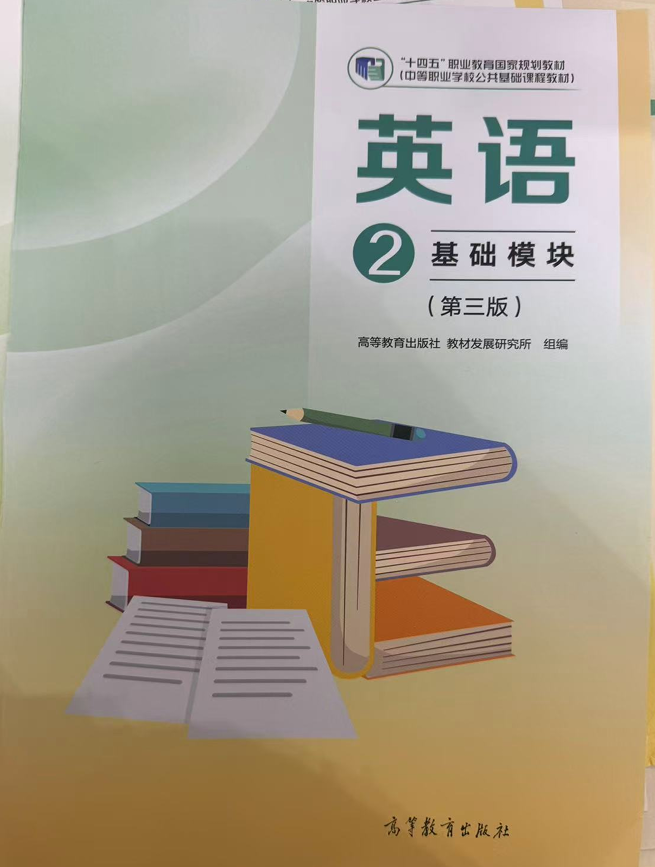
1.1 Travel-Warm up&Listening and Speaking(教案)-《英语 基础模块2》(高教版第三版)【上好课】.pptx
2026-03-05
|
8页
|
1240人阅读
|
4人下载
精品
内容正文:
课 题
《英语 基础模块2》
(高教版第三版)
Unit 1 Travel
课 型
Warm up&Listening and Speaking
课 时
2
授课班级
授课时间
80mins
授课教师
教材分析
(Textbook Analysis)
本单元以Travel为核心主题,Warm up&Listening and Speaking板块是单元的开篇内容,贴合学生日常生活和兴趣点,围绕旅行相关话题展开,包含旅行目的地认知、旅行准备、酒店预订、旅行景点介绍等实用内容。教材通过视频、听力、对话、角色扮演等多种形式,将词汇、句型和交际功能融合,既培养学生的听说技能,又让学生掌握旅行场景下的实用英语表达,为后续的阅读和写作板块奠定语言基础,符合中职英语“实用为主,应用为目的”的教学原则。
学情分析
(Study situation analysis)
授课对象为中职高一下学期学生,该阶段学生已掌握基础的英语词汇和简单句型,具备一定的听说交流能力,但在实际语境中运用英语进行交际的能力较弱,且对枯燥的语法和词汇学习兴趣不高。学生对旅行这一生活化话题较为熟悉和感兴趣,乐于参与互动、讨论和角色扮演类课堂活动。同时,中职学生学习主动性参差不齐,需要教师通过多样化的教学活动引导,降低语言学习的难度,提升其英语应用能力。
教学目标
(Learning objectives)
Knowledge objectives
1. Students can master the core vocabulary about travel, such as book, pack, search for, scenic spot, travel agency, single room, double room, check in, check out, reservation etc.
2. Students can grasp the key sentence patterns for travel communication, e.g. “I’d like to book a…”, “It’s really worth visiting.”, “I can’t wait to…”, “be rich in…”, “be covered by…”.
3. Students can understand the basic information of hotel reservation dialogues and travel introduction conversations.
Ability objectives
1. Students can listen for specific information in travel-related materials, such as room types, booking dates, scenic spot features.
2. Students can use the learned words and sentences to talk about travel destinations, travel preparations and book hotel rooms in simple English dialogues.
3. Students can cooperate with partners to finish role-plays about travel agency service and travel scene communication.
Emotional objectives
1. Cultivate students’ interest in English learning through the interesting travel topic.
2. Enrich students’ knowledge of different countries and Chinese local scenic spots, broaden their horizons.
3. Develop students’ teamwork spirit and communication ability through group discussion and role-play activities.
教学重难点
(Learning objectives)
Key points
1. Master the core vocabulary and key sentence patterns related to travel and hotel reservation.
2. Understand the hotel reservation dialogue and grasp the listening skills for specific information.
3. Use the learned language to talk about travel destinations and make simple travel communication.
Difficult points
1. Flexibly use the key sentence patterns in real travel communication scenarios.
2. Finish the role-play of travel agency service with accurate and fluent English expressions.
3. Grasp the usage of important phrases and structures, such as “be worth doing”, “can’t wait to do”, “be covered by”, “be rich in”.
教学方法
(Teaching methods)
小组讨论法、任务教学法、练习法、情境教学法、听说法
课前准备(Preparation before class)
1. 制作与旅行主题相关的PPT课件,包含各国景点图片、旅行准备词汇、听力材料、对话范例等;
2. 准备旅行相关的图片、世界地图素材;
3. 整理拓展练习素材,如词汇练习题、句型仿写题;
4. 准备酒店预订、旅行社服务的角色扮演任务单;
5. 调试好听力音频、教学视频等多媒体资源。
教学媒体
(Teaching media)
PPT课件、多媒体设备、听力音频、教学视频、拓展资源包、旅行主题图片/地图
教学过程
(Teaching process)
教学环节(Teaching)
教师活动设计
(Teacher Activity)
学生活动设计(Student Activity)
设计意图
(Design Purpose)
Step 1:
Warm up
1. Watch the video and lead in the travel topic by asking two questions: “Do you like travelling?” and “If you have a chance to travel anywhere in the world, where will you go?”. Invite some students to share their ideas.
2. Show pictures of famous scenic spots from different countries (China, Japan, Egypt, Switzerland, USA, Italy, Australia) and present the corresponding vocabulary, such as the Great Wall, sushi, pyramids, snowy mountains, Statue of Liberty, The Leaning Tower of Pisa, Sydney Opera House. Guide students to match the scenic spots with the countries.
3. Show the words and phrases about travel preparation (book tickets and hotel rooms, search for local scenic spots, pack things for daily use, make a travel plan, visit a travel agency) and teach the new words (book, pack, search for, scenic spot, travel agency) with pronunciation and explanation. Organize students to have a quick memory and simple oral practice.
1.Watch the travel video and answer the teacher’s questions actively and share their favorite travel destinations with the class.
2.Recognize the scenic spots in the pictures, match them with the correct countries and read the new vocabulary after the teacher.
3. Learn the new words and phrases about travel preparation, read them aloud and do simple oral practice, such as saying the travel preparation things they know.
1. 借助趣味性的旅行相关问题和视频,激发学生的学习兴趣,激活学生关于旅行的已有知识,让课堂在轻松的氛围中展开。
2. 通过图片匹配和单词教学,帮助学生积累旅行相关词汇,为后续的听说活动做好铺垫。
3. 通过简短的分享和讨论,培养学生的口语表达能力,让学生快速进入英语学习状态。
Step 2:
Listening
Task 1: Pre-listening
1. Present the key expressions about hotel booking: check in, check out, make a reservation, and the types of rooms: single room, double room, family suite. Teach students the words and explain their meanings.
2. Introduce the listening task: a dialogue about hotel reservation, and let students know the listening requirements.
Task 2: While-listening
1. Play the listening audio for the first time and ask students to tick the scene of the dialogue (On the phone/At a bank/In a garden).
2. Play the audio for the second time and ask students to choose the correct booking dates of the guest.
3. Play the audio for the third time and guide students to complete the Room Booking Memo, including surname, first name, gender, room type, guest’s preferences.
4. Check the answers with the whole class and explain the key points in the listening material, such as “non-smoking room”, “fully booked”, “look forward to doing sth”, “by the way”.
Task 3: Post-listening
1. Play the listening tape again and ask students to read after the tape, paying attention to the pronunciation, intonation and stress.
2. Organize students to do pair work: imitate the hotel reservation dialogue and practice with deskmates, and walk around to guide and correct their expressions.
Task 1: Pre-listening
Learn the new key expressions and room type vocabulary, read after the teacher and master their pronunciations and meanings.
Task 2: While-listening
1. Listen to the audio and finish the first tick task independently.
2.Listen again and choose the correct booking dates.
3.Listen for the third time and fill in the Room Booking Memo carefully.
4.Check the answers with the teacher and take notes of the key words and phrases in the listening material.
Task 3: Post-listening
1. Read after the tape and imitate the pronunciation and intonation of the dialogue.
2. Do pair work with deskmates, imitate the hotel reservation dialogue and practice oral English.
1. 听前环节帮助学生预习酒店预订的核心词汇和表达,降低听力难度,让学生更好地适应听力内容。
2. 设计多层次的听力任务,训练学生捕捉具体信息的听力能力,符合循序渐进的教学原则。完成酒店预订备忘卡的填写,能让学生关注听力中的细节信息,提升听力理解能力。
3. 跟读录音能帮助学生规范英语发音和语调,同桌结对的模仿练习能让学生及时运用所学的对话和表达,为后续的口语活动奠定基础。
4. 教师现场巡视指导,能及时纠正学生的错误表达,保证口语练习的效果。
Step 3:
Speaking
Task 1: Travel introduction learning
1. Play a video about Shangri-La and ask students to watch and answer three questions: Where are they? Why are the mountains famous in Shangri-La? Can you tell more about Shangri-La?
2. Show the conversation between the guide and tourists about Shangri-La, play the audio and guide students to listen, read and underline the key sentences about travel destination introduction.
3. Organize students to work in groups to translate the conversation and take notes of the key phrases and structures (be covered by, all year round, all kinds of, be worth doing, be rich in, can’t wait to do, in+一段时间). Explain the usage of the key structures and do simple sentence pattern exercises with students.
Task 2: Imitate and talk about travel destinations
1. Show pictures of Jiuzhaigou and Eiffel Tower, present the related information (location, famous features) and give dialogue examples for students to imitate.
2. Organize students to do pair work: choose one travel destination and talk about it with deskmates by imitating the dialogue examples, using the learned key phrases and sentences.
Task 3: Role play - Travel agency service
1. Present two travel products (6-day Sichuan DIY Tour, 5-day France & Italy Package Tour) and two customers’ information (Parry, Mrs. Li) with different travel needs. Explain the travel products and customer needs clearly to students.
2. Divide students into groups of two (one as travel agency staff, one as customer) and assign the role play task. Provide the starting sentence patterns and walk around to guide students to design the dialogue according to customer needs and travel products.
3. Invite several groups to perform their role plays in front of the class and make positive comments and simple corrections on their performances.
Task 1: Travel introduction learning
1.Watch the video about Shangri-La and answer the teacher’s questions actively.
2. Listen to the audio of the conversation, read after it and underline the key sentences.
3.Work in groups to translate the conversation, take notes of the key phrases and structures, and finish the sentence pattern exercises with the teacher’s guidance.
Task 2: Imitate and talk about travel destinations
1.Learn the related information of Jiuzhaigou and Eiffel Tower, and read the dialogue examples carefully.
2.Do pair work with deskmates, choose a travel destination and talk about it by imitating the dialogue examples, using the learned key phrases and sentences.
Task 3: Role play - Travel agency service
1.Understand the travel products and different customers’ travel needs clearly.
2.Work in pairs to design and practice the travel agency service dialogue according to the task requirements, using the learned English expressions.
3.Perform the role play in front of the class if invited, and listen to other groups’ performances carefully.
1. 通过香格里拉的相关视频和对话,让学生学习旅行目的地介绍的核心表达,小组翻译和记笔记的环节能帮助学生深化对重点短语和句型的理解,为口语表达奠定语言基础。
2. 模仿对话范例谈论旅行目的地,能让学生在简单语境中运用所学的重点短语和句型,实现语言知识的迁移,循序渐进地提升口语表达能力。
3. 旅行社服务的角色扮演是对所学内容的综合运用,结合旅行产品和客户需求,为学生创设真实的交流情境,培养学生运用英语解决现实生活中实际问题的能力。
4. 邀请学生上台展示并给予积极评价,能增强学生的英语表达自信心,小组合作的形式也能培养学生的团队协作精神。
Step 4:
Summary
Step 5:
Homework
板书设计
教学反思
(留白)
学科网(北京)股份有限公原创精品资源学科网独家享有版权,侵权必究!
学科网(北京)股份有限公司
学科网(北京)股份有限公司
$
资源预览图

1

2

3
由于学科网是一个信息分享及获取的平台,不确保部分用户上传资料的 来源及知识产权归属。如您发现相关资料侵犯您的合法权益,请联系学科网,我们核实后将及时进行处理。