1.2 Travel-Reading and Writing(教案)-《英语 基础模块2》(高教版第三版)【上好课】.pptx
2026-03-05
|
8页
|
971人阅读
|
3人下载
精品
内容正文:
课 题
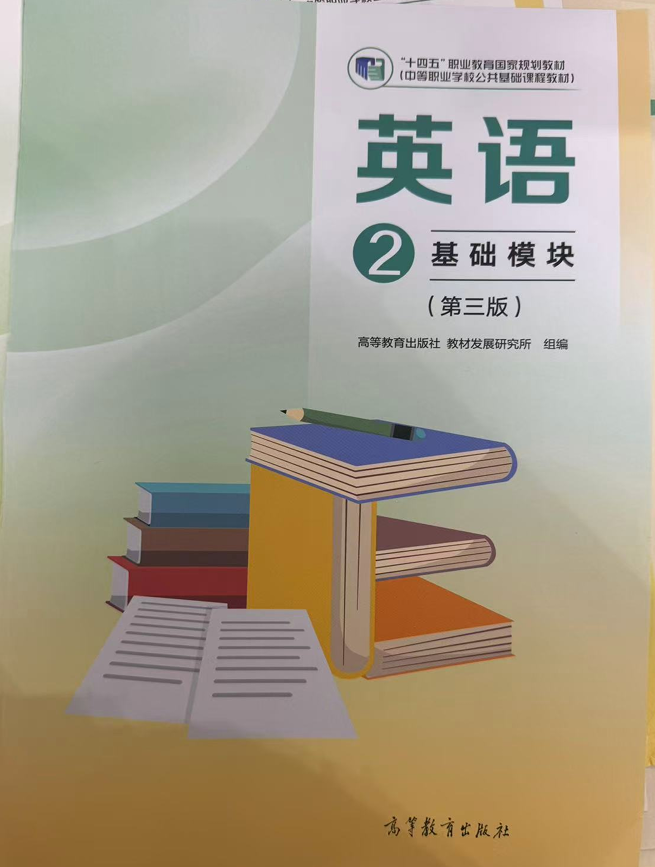
《英语 基础模块2》
(高教版第三版)
Unit 1 Travel
课 型
Reading and Writing
课 时
2
授课班级
授课时间
80mins
授课教师
教材分析
(Textbook Analysis)
本单元以Travel为核心主题,Reading and Writing板块选取徐霞客的生平游历为阅读素材,将旅行文化与英语语言学习深度结合。文本为人物介绍类叙事文体,设计了标题选择、时间梳理、细节问答等阶梯式阅读任务,写作部分以中外旅行家介绍仿写为核心,实现阅读输入到写作输出的语言转化。教材内容贴合中职英语“实用为主,够用为度”的教学原则,兼顾语言知识积累与文化素养培养,通过徐霞客与马可·波罗的中外旅行家对比,拓展学生的文化视野,同时融入励志精神的渗透,实现工具性与人文性的统一。
学情分析
(Study situation analysis)
授课对象为中职高一下学期学生,该阶段学生已掌握基础的英语词汇和简单句型,具备初步的英语阅读和书面表达能力,能完成简单的信息提取和句子仿写任务。但学生在长句理解、细节信息精准提取、句型灵活运用方面仍存在明显不足,且对纯语言知识点的枯燥学习兴趣较低,对文化故事、情境互动、小组合作类教学活动接受度和参与度更高。此外,学生对徐霞客等本土历史人物有基本的认知储备,便于搭建中英文学习的桥梁,降低跨文化与语言学习的双重难度。
教学目标
(Learning objectives)
Knowledge objectives
1. Master the key words and phrases: travel, discover, record, effort, major, finally, set off, give up, take care of, with the support of, all sorts of, spend…(in)doing sth, be well-known for, due to.
2. Grasp the key sentence patterns: sb became interested in sth at an early age; Although sb experienced…, sb never…; Sb spend some time (in) doing sth; Due to…, sth finally…
3. Understand the main life story of Xu Xiake and the basic information of Marco Polo, and master the reading skills of narrative passages about character introduction.
Ability objectives
1. Be able to extract specific information such as time, events and details from the reading passage about Xu Xiake independently.
2. Be able to use the learned key words, phrases and sentence patterns to make correct sentences and write a brief introduction of a traveler.
3. Improve the ability of cooperative learning and oral expression through group discussion, pair work and class sharing.
Emotional objectives
1. Learn and inherit the spirit of perseverance, courage to explore and never giving up dreams from Xu Xiake.
2. Cultivate the interest in English reading and writing about travel and cultural themes, and enhance the confidence in English learning.
3. Broaden cultural horizons through the comparison of Chinese and foreign famous travelers, and cultivate the awareness of Chinese cultural communication.
教学重难点
(Learning objectives)
Key points
1. Master the pronunciation, meaning and flexible usage of the key words and phrases in the passage.
2. Be able to extract time and event information from the passage accurately and sort out Xu Xiake’s life timeline.
3. Be able to use the key sentence patterns to make simple sentences and complete semi-controlled writing tasks.
Difficult points
1. Understand and use the complex sentences with conjunctions such as although and prepositional phrases such as due to correctly in speaking and writing.
2. Realize the effective transformation from reading information to writing output, and write a coherent brief introduction of a traveler with the learned words and patterns.
3. Grasp the skimming skill of choosing the title of a narrative passage and the scanning skill of extracting key details accurately.
教学方法
(Teaching methods)
小组讨论法、任务教学法、练习法、情境教学法
课前准备(Preparation before class)
1. 制作与旅行主题相关的PPT课件,包含徐霞客相关图片、教学视频、课文原文、词汇句型解析、马可·波罗相关素材、课堂练习题及写作模板等;
2. 准备旅行相关的图片、世界地图素材,以及徐霞客生平时间轴空白卡片;
3. 整理拓展练习素材,如词汇填空题、句型仿写题、旅行家介绍仿写练习单;
4. 准备小组合作任务单,包含课文翻译、问题讨论、写作仿写等分层任务;
5. 调试好听力音频、徐霞客相关教学视频等多媒体资源,确保课堂播放顺畅。
教学媒体
(Teaching media)
PPT课件、多媒体设备、听力音频、教学视频、拓展资源包、旅行主题图片/地图、徐霞客时间轴空白卡片、小组合作任务单
教学过程
(Teaching process)
教学环节(Teaching)
教师活动设计
(Teacher Activity)
学生活动设计(Student Activity)
设计意图
(Design Purpose)
Step 1:
Lead in
1. Play a short and interesting teaching video about Xu Xiake, and raise the leading question: “Who is the top travel blogger in ancient China?” to guide students to answer actively.
2. Show pictures of Xu Xiake and ask simple interactive questions: “Do you know who he is?” “Have you ever heard of his travel stories?”
3. Lead students to review and read aloud the basic travel-related words and phrases, and write the core words on the blackboard.
1. Watch the video carefully, think about the teacher’s question and answer it actively in class.
2. Look at the pictures, communicate with the teacher about Xu Xiake and activate the existing knowledge reserve.
3. Review and read the travel-related words and phrases together with the teacher and classmates, and keep up with the teacher’s teaching rhythm.
1.借助趣味视频和图片创设旅行主题的教学情境,快速吸引学生的注意力,激发学生的课堂学习兴趣和参与积极性。
2.将学生对徐霞客的本土文化认知与英语学习结合,搭建新旧知识的桥梁,降低新课学习的理解难度。
3.提前复习旅行相关基础词汇,为后续的课文阅读和语言表达做好词汇铺垫,扫清部分阅读障碍。
Step 2:
Reading
Task 1: Read and choose
1. Present the full text of Xu Xiake’s life on PPT, and ask students to read the passage quickly and choose the best title from options A, B and C.
2. Guide students to summarize the skimming skill: pay attention to the first or last sentence of the passage to grasp the main idea and choose the title.
Task 2: Read and underline
1. Ask students to read the passage carefully and underline the sentences related to numbers and time in the text.
2. Walk around the classroom to check students’ completion, and give individual guidance to students with difficulties.
Task 3: Read and complete
1. Show the blank timeline of Xu Xiake’s life on PPT, and ask students to complete it with the time and event information extracted from the passage.
2. Invite 2-3 students to share their answers on the blackboard or PPT, and correct the mistakes and supplement the key points together with the whole class.
Task 4: Read and answer
1. Put forward 9 detailed comprehension questions about the passage on PPT, and ask students to read the passage again and find the answers independently.
2. Organize students to answer the questions one by one, and explain the key words, phrases and sentence patterns in the questions and answers in detail, and write the core patterns on the blackboard.
Task 5: Choose and talk
1. List the key factors of Xu Xiake’s success on PPT, and ask students to discuss in groups of 4, choose the most important factor and explain the reasons briefly.
2. Invite 2-3 groups to share their opinions in class, and make positive and brief comments on the students’ views.
Task 1: Read and choose
1. Read the passage quickly with the skimming method, and finish the title selection task independently.
2. Listen carefully to the teacher’s summary of reading skills and take notes in the exercise book.
Task 2: Read and underline
1. Read the passage carefully with the scanning method, and underline the time and number-related sentences as required.
2. Check the underlined content with deskmates briefly and exchange ideas.
Task 3: Read and complete
1. Extract the key time and event information from the passage, and complete the blank timeline independently.
2. Share the answers with the whole class, correct the mistakes according to the teacher’s guidance and supplement the key information.
Task 4: Read and answer
1. Read the passage again, find the answers to the detailed questions independently and mark them in the text.
2. Answer the teacher’s questions actively in class, take notes of the key words, phrases and sentence patterns explained by the teacher, and participate in the interactive explanation.
Task 5: Choose and talk
1. Discuss the key factors of Xu Xiake’s success in groups, express their own opinions and reach a group consensus through communication.
2. Share the group’s opinions with the whole class, and listen to other groups’ views and communicate interactively.
1.设计从略读到寻读的阶梯式阅读任务,遵循“由浅入深、由整体到细节”的阅读规律,引导学生掌握人物介绍类叙事文的阅读方法,提升学生提取主旨和具体信息的能力。
2.通过划记时间句、完成时间轴的任务,让学生把握文章的时间线索,帮助学生梳理徐霞客的生平脉络,加深对课文整体内容的理解。
3.在问答环节同步讲解核心词汇和句型,实现阅读与词汇、语法学习的深度融合,让学生在语境中理解和记忆语言知识,避免纯知识点的枯燥讲解。
4.组织小组讨论活动,既培养学生的合作学习能力和英语口语表达能力,又引导学生从文本中挖掘徐霞客的优秀精神品质,实现语言学习与情感教育的有机结合。
Step 3:
Writing
Task 1: Translate and take notes
1. Divide the passage into three parts, and ask students to translate the text in groups, and take notes of the key sentence patterns with typical examples.
2. Walk around the classroom to guide the group translation, and invite 1-2 groups to share their translation results and notes in class.
3. Explain the usage of the key sentence patterns in detail, and organize students to do simple sentence-making exercises together.
Task 2: Read and match
1. Present the basic information of Marco Polo on PPT, and ask students to complete the question-answer matching task independently.
2. Check the answers with the whole class, and let students read the matching results aloud to consolidate the information.
Task 3: Think and write
1. Show the blank travel poster of Xu Xiake and Marco Polo on PPT, and ask students to complete the poster with the learned words and patterns.
2. Ask students to imitate the poster format, write a short introduction of a traveler (Xu Xiake or Marco Polo) with at least 3 sentences.
3. Walk around the classroom to give individual guidance on students’ writing, especially the correct usage of key sentence patterns and word forms.
Task 1: Translate and take notes
1. Cooperate with group members to translate the text, sort out the key sentence patterns in the text and take notes with reference to the teacher’s examples.
2. Share the group’s translation results and notes with the whole class, and participate in the sentence-making exercise actively, trying to make sentences by themselves.
Task 2: Read and match
1. Complete the question-answer matching task of Marco Polo’s information independently, and check the answers by themselves after finishing.
2. Check the answers with the teacher, read the matching results aloud in class and consolidate the basic information of Marco Polo.
Task 3: Think and write
1. Use the learned words and sentence patterns to complete the blank travel poster of Xu Xiake and Marco Polo independently.
2. Imitate the poster format, write a short introduction of a traveler as required, paying attention to the correct spelling and grammar.
3. Ask the teacher for help in time when meeting difficulties in the writing process.
1.通过小组合作翻译课文,让学生在语境中进一步深化对文本的理解,同时梳理和掌握核心句型,实现阅读知识的有效输入,为后续写作输出做好铺垫。
2.设计马可·波罗信息的匹配任务,实现知识的迁移运用,让学生将从徐霞客文本中学到的阅读方法和词汇句型运用到新的人物介绍中,降低写作的陌生感。
3.设计从补全海报的半控制性写作到仿写旅行家介绍的半开放性写作任务,遵循“循序渐进”的写作教学原则,降低写作难度,帮助学生突破“阅读转写作”的教学难点,实现语言知识的有效输出。
4.对学生进行个性化的写作指导,及时解决学生在写作中遇到的单词、语法和句型问题,提升学生的书面表达能力,增强学生的写作信心。
Step 4:
Summary
Step 5:
Homework
板书设计
教学反思
(留白)
学科网(北京)股份有限公原创精品资源学科网独家享有版权,侵权必究!
学科网(北京)股份有限公司
学科网(北京)股份有限公司
$
资源预览图

1

2

3
由于学科网是一个信息分享及获取的平台,不确保部分用户上传资料的 来源及知识产权归属。如您发现相关资料侵犯您的合法权益,请联系学科网,我们核实后将及时进行处理。