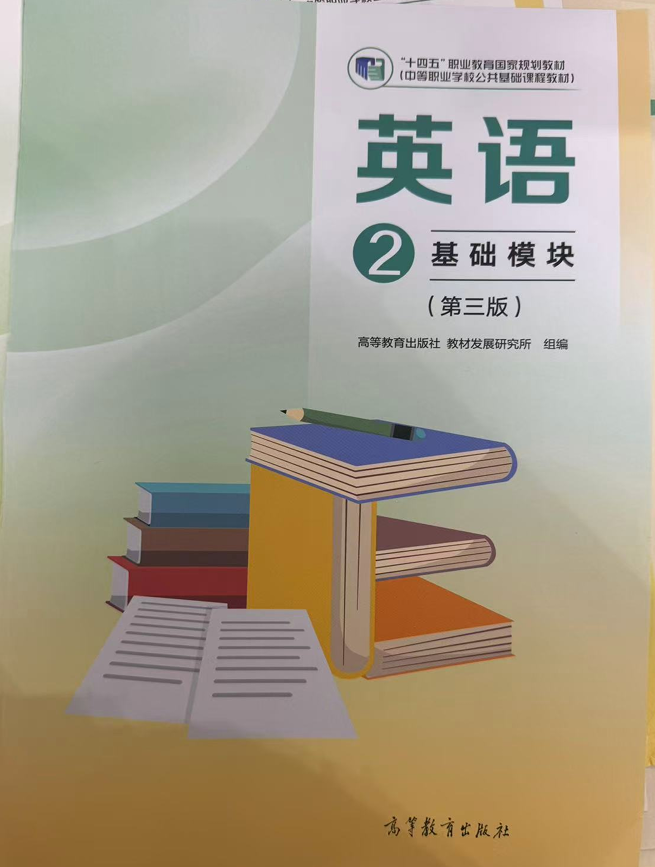
1.4 Travel-Culture Understanding&Group Work&Self-Assessment(教案)-《英语 基础模块2》(高教版第三版)【上好课】.pptx
2026-03-05
|
7页
|
501人阅读
|
1人下载
精品
内容正文:
课 题
《英语 基础模块2》
(高教版第三版)
Unit 1 Travel
课 型
Culture Understanding&Group Work&Self-Assessment
课 时
2
授课班级
授课时间
80mins
授课教师
教材分析
(Textbook Analysis)
本课时是高教版第三版《英语 基础模块2》Unit 1 Travel的文化理解、小组合作与自我评估课,是单元知识的综合运用与拓展环节。教材以“旅行者与游客的区别”为文化切入点,结合三位外国学生的北京旅行需求设计小组任务,同时融入一般过去时语法巩固、旅行主题词汇与句型运用,实现了文化理解、语言运用和技能提升的融合。内容贴近生活,注重中职学生的英语实用能力培养,将旅行文化与语言实践结合,符合中职英语“实用为主,够用为度”的教学原则,也为学生后续的旅行英语交流奠定基础。
学情分析
(Study situation analysis)
授课对象为中职高一下学期学生,具备基础的英语词汇和语法知识,已接触过一般过去时的基本用法,能进行简单的英语阅读和对话。学生对旅行主题兴趣较高,乐于参与小组合作等互动性强的课堂活动,但存在词汇量有限、句型运用不熟练、跨文化理解能力较弱的问题,且学生之间的英语基础存在一定差异。中职学生更擅长具象化、实践性的学习,对纯理论的语法讲解接受度较低,需要通过情境、任务和游戏等方式开展教学。
教学目标
(Learning objectives)
Knowledge Objectives
1. Master the key words and phrases about travel, such as travel, effort, experience, local, focus on, connect with, as…as possible, set off etc.
2. Grasp the usage of the simple past tense and can use it to complete sentences and passages correctly.
3. Understand the cultural differences between a traveler and a tourist through reading and video learning.
Ability Objectives
1. Improve reading comprehension ability by reading the passage about traveler and tourist and answering related questions.
2. Develop cooperative learning and practical application abilities by designing a 5-day travel plan for Beijing in groups according to different travel intentions.
3. Enhance the ability of self-assessment by finishing vocabulary translation, grammar exercises and passage filling.
Emotional and Cultural Objectives
1. Cultivate the awareness of cross-cultural communication and form a correct understanding of travel and cultural experience.
2. Stimulate interest in English learning through travel-themed tasks and group cooperation.
3. Develop the ability to summarize and reflect on learning methods and form good English learning habits.
教学重难点
(Learning objectives)
Key Points
1. Master the key travel-related words, phrases and sentence patterns and their flexible application.
2. Understand the cultural differences between a traveler and a tourist.
3. Grasp the correct usage of the simple past tense and complete related exercises proficiently.
Difficult Points
1. Use the learned vocabulary and sentence patterns to design a logical and reasonable travel plan in English.
2. Combine cross-cultural understanding with language practice, and apply the learned knowledge to practical communication scenarios.
3. Help students with different English foundations complete group tasks and achieve effective cooperative learning.
教学方法
(Teaching methods)
小组讨论法、任务教学法、练习法、情境教学法、游戏教学法
课前准备(Preparation before class)
1. 制作与旅行主题相关的PPT课件;
2. 准备旅行相关的英文图片;
3. 整理拓展练习素材;
教学媒体
(Teaching media)
PPT课件、多媒体设备、听力音频、教学视频、拓展资源包
教学过程
(Teaching process)
教学环节(Teaching)
教师活动设计
(Teacher Activity)
学生活动设计(Student Activity)
设计意图
(Design Purpose)
Step 1:
Lead in
1. Play the video Are You a Traveler or a Tourist? for students, and put forward two simple questions: What is the video about? and Do you want to be a traveler or a tourist?.
2. Guide students to have a short free talk about the questions, and encourage students to express their opinions in simple English.
3. Introduce the main contents of this class: culture understanding, group work and self-assessment, and present the learning objectives clearly.
1. Watch the video carefully and try to understand the main content.
2. Participate in the free talk actively, express their own ideas with simple English words or sentences, and communicate with classmates briefly.
3. Listen to the teacher’s introduction and clear the learning objectives of this class.
1. 借助趣味视频激发学生的学习兴趣和注意力,自然导入本节课的旅行与文化主题。
2. 通过自由讨论营造轻松的英语课堂氛围,让学生快速进入英语学习状态。
3. 呈现学习目标,让学生对后续学习有明确的方向。
Step 2:
Culture Understanding
1. Let students read the passage Are You a Traveler or a Tourist? independently, and guide them to find the answers to four pre-designed questions.
2. Check the answers with students one by one, and explain the key words and phrases in the passage, such as focus on, connect with, as…as possible, value, etc., with simple examples.
3. Provide a blank form about the differences between a tourist and a traveler, and ask students to fill it in by reading the passage again.
4. Divide students into groups of 4-5, and assign the task of translating the whole passage and taking notes of key points.
5. Walk around the classroom, guide the groups with difficulties in translation, and comment on the translation results of several groups after the task is finished.
1. Read the passage independently, find the answers to the questions and underline the key sentences.
2. Check the answers with the teacher, listen to the explanation of key words and phrases carefully, and take notes in the notebook.
3. Read the passage again and fill in the form about the differences between a tourist and a traveler according to the passage content.
4. Cooperate with group members to translate the passage, discuss the difficult sentences together, and take notes of the key phrases and sentence patterns.
5. Share the group’s translation results and listen to the teacher’s comments and corrections.
1. 通过阅读答题培养学生的独立阅读理解能力,让学生自主提取语篇关键信息。
2. 结合实例讲解重点词汇和短语,帮助学生灵活掌握并运用,为后续语言实践打下基础。
3. 填表任务让学生梳理语篇核心信息,深化对旅行者和游客文化差异的理解。
4. 小组翻译提升学生的合作学习能力和翻译能力,让学生更透彻地掌握语篇内容。
5. 教师巡视指导并点评成果,及时解决学生学习中的问题,强化知识掌握效果。
Step 3:
Group Work
1. Present the self-introductions of three foreign students (Joey, Elena, Anthony) on the PPT, and ask students to read them and fill in the blank form including name, nationality and travel intention.
2. Check the filled form with students, and confirm the travel interests and intentions of each student.
3. Show pictures of Beijing scenic spots on the PPT, and ask students to classify the spots into four types: history, culture, cuisine and education in groups.
4. Assign the core task: each group chooses one foreign student and designs a 5-day Beijing travel plan for him/her, filling in the blank plan form with time and corresponding activities.
5. Walk around to guide each group, provide English vocabulary and sentence pattern support for students with poor foundation, and remind students to combine the student’s travel intention with the characteristics of scenic spots.
6. Invite 2-3 groups to show their travel plans in English, and make simple comments and affirmation on each plan.
1. Read the self-introductions of the three foreign students, fill in the form about personal information and travel intention, and check the answers with the teacher.
2. Cooperate with group members to classify the Beijing scenic spots according to the given types, and express the classification results in English.
3. Choose one foreign student in the group, discuss and design a 5-day Beijing travel plan according to his/her travel intention, and fill in the plan form with the group’s joint efforts.
4. Use the learned travel vocabulary and sentence patterns in the design process, and ask the teacher for help when meeting difficulties.
5. The representative of the group shows the travel plan in English, and listens to the teacher’s comments and the opinions of other groups.
1. 填表任务巩固学生的阅读能力和信息提取能力,让学生掌握旅行计划的设计依据。
2. 景点分类让学生熟悉北京知名景点及相关英语表达,为旅行计划设计做好铺垫。
3. 旅行计划设计的核心任务将语言知识与实际应用结合,提升学生的综合语言运用能力和合作创新能力。
4. 为不同基础的学生提供针对性指导,保障全体学生都能参与任务,达成学习效果。
5. 计划展示环节锻炼学生的英语口语表达能力,增强学生的英语交流自信心。
6. 教师点评并肯定成果,激发学生的学习成就感,培养学生的互评互学意识。
Step 4:
Self-
Assessment
1. Present the self-assessment exercises on the PPT, including three parts: vocabulary translation, simple past tense sentence completion and passage filling.
2. Ask students to finish the exercises independently within the specified time, and remind them to check the answers by themselves after finishing.
3. Show the standard answers on the PPT, and let students correct their own mistakes and score themselves according to the evaluation criteria (Excellent: ≥ the specified score; Good: the specified score range).
4. Guide students to summarize the knowledge points they have mastered and the problems they still have in this class, and record them in the notebook.
5. Briefly review the key knowledge of this class, including core vocabulary, phrases, simple past tense and cultural points.
1. Finish the self-assessment exercises independently and carefully, and check the answers by themselves after finishing.
2. Compare with the standard answers, correct the wrong answers, score themselves according to the evaluation criteria and mark the wrong questions.
3. Summarize the mastered knowledge points and existing problems in combination with the exercise results, and take notes carefully.
4. Listen to the teacher’s review of the key knowledge and consolidate the learning content of this class.
1. 自我评估练习题帮助学生巩固本节课所学的重点词汇、语法和句型,检验自身的学习效果。
2. 自主批改和打分培养学生的自主学习能力,以及自查反思的学习意识。
3. 引导学生总结知识要点和存在问题,帮助学生养成反思总结的良好学习习惯,为后续针对性复习打下基础。
4. 教师简要回顾核心知识,帮助学生构建系统的知识框架,强化本节课的知识掌握。
Step 5:
Homework
板书设计
Unit 1 Travel
Key Words & Phrases
●travel /ˈtrævl/ n. 旅行
●effort /ˈefərt/ n. 努力
●experience /ɪkˈspɪriəns/ v. 经历;感受
●local /ˈləʊkl/ adj. 当地的
●major /ˈmeɪdʒər/ adj. 主要的
●avoid /əˈvɔɪd/ v. 避免
●focus on doing 集中精力做……
●connect with 与……建立联系
●as…as possible 尽可能……的
●set off 出发
●take care of 照顾;注意
教学反思
(留白)
学科网(北京)股份有限公原创精品资源学科网独家享有版权,侵权必究!
学科网(北京)股份有限公司
学科网(北京)股份有限公司
$
资源预览图

1

2

3
由于学科网是一个信息分享及获取的平台,不确保部分用户上传资料的 来源及知识产权归属。如您发现相关资料侵犯您的合法权益,请联系学科网,我们核实后将及时进行处理。