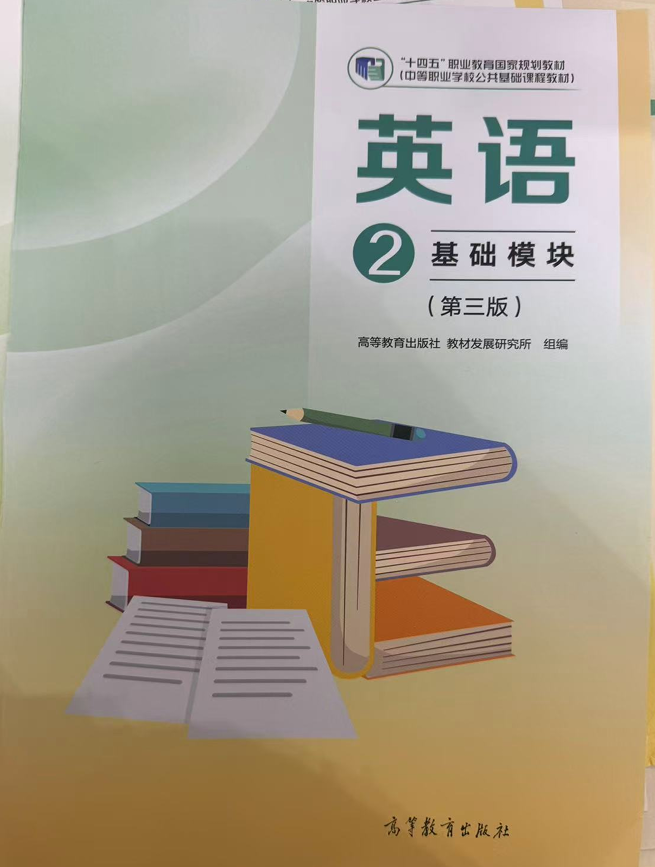
1.3 Travel-Language Practice(课件)-《英语 基础模块2》(高教版第三版)【上好课】
2026-02-24
|
41页
|
1032人阅读
|
3人下载
精品
内容正文:
高教版2025第三版英语 基础模块2
Unit1 Travel
Language Practice
Unit1 Travel
Language Practice
01
导入
Contents
02
标志词
04
一般过去时结构
03
过去式
规则
05
练习
By the end of this class, you will be able to:
Master the basic usages of the simple past tense.
Master the changing rules of the past tense irregular verbs.
Use the simple past tense to talk about something.
Accurately use the simple past tense in a certain situation.
Combine the simple past tense with real life and develop a good learning habit.
Learning Objectives
3
导入
PART 1
4
When I ______ young
I’ d listen to the radio
was
When they _________ I’d sing along
Waiting for my favorite songs
played
It _______ me smile
made
Those _____ such happy times
and not so long ago
how I ____________ where they’d gone
But they’re back again
just like a long lost friend
were
all the songs I _______ so well
wondered
loved
Watch and fill. 看视频回答问题。
一般过去时
5
1.When he was 19, his father died and he had to take care of his mother.
2.He avoided traveling comfortably.
3.Xu set off for the first time at 22 and took four major trips in his lifetime.
4.Although he experienced all sorts of difficulties, Xu never thought of quitting.
Read and find. 阅读句子,找出句子中的过去式。
was
died
set
took
experienced
thought
had
avoided
一般过去时
定义:在过去某个时间所发生的动作或所处的状态。
标志词
PART 2
7
一般过去时的时间标志词:
last系列:
ago系列:
yesterday系列:
this/that系列:
last year; last month; last week
two days ago; three years ago; a minute ago
yesterday; the day before yesterday
this morning; this month; that winter
其他:
in+过去年份; just now; once upon a time;
in the past...
tomorrow
yesterday
just now
the day after tomorrow
two months ago
in 2030
last summer
the day before yesterday
once upon a time
in 1988
every day
Excercise 1 以下哪些是一般过去时的时间提示词?
1. I ________ (take) a taxi to school yesterday.
2. I _______ (go) for a walk this morning.
3. Lucy _________ (write) a letter to her friend three days ago.
4. Last Sunday, Peter _________ (see) Big Ben.
5. —Why _______ (be) you late for school yesterday morning?
—Because I _______(be) ill.
6. I _______ (spend) twenty yuan on the CDs yesterday.
7. Mr. Green _______ (come) to visit my father last night.
8. We often _______ (go) swimming in the river in the past.
Excercise 2 找出下列句子的时间标志词
过去式规则
PART 3
11
直接+ed
以不发音e结尾+d
以辅音字母+y结尾,
改y为i+es
以辅元辅重读闭音节,
双写结尾辅音字母+ed
work—— worked; look——looked
live ——lived; hope——hoped
study— studied; carry—carried
stop—stopped; plan—planned
动词过去式的规则变化:
+ed
双写+ed
+d
变y为i+ed
listen
plan
worry
help
taste
stop
cry
dance
Excercise 将以下单词变成过去式。
13
keep-kept
feel-felt
meet-met
feed-fed
中间有双e,去e尾加t,如是t,d来结尾,去e不加t;
build-built
lend-lent
send-sent
spend-spent
结尾d,变成t;
sit-sat
sing-sang
ring-rang
drink-drank
遇见i,a来替;
think-thought
buy-bought
bring-brought
fight-fought
要“想” “买” “来” “打仗”, “ought”一定要换上;
动词过去式的规则变化:
read-read
cut-cut
put-put
let-let
“读” “切” “放” “让”都一样;
draw-drew
know-knew
grow-grew
throw-threw
ow, aw改ew新时尚;
teach-taught
catch-caught
“教书” “抓到” 不要慌,改成”aught”切莫忘;
动词过去式的规则变化:
begin
开始
begin
began
put放下
put
put
keep保持
keep
kept
read
阅读
read
read
do
做;干
do
did
go
去
go
went
know
知道
know
knew
draw
画画
drawdrew
teach
教
teach
taught
give给
give
gave
write
写
writewrote
come
来
come
came
forget
忘记
forget
forgot
speak
说
speak
spoke
fly
飞
fly
flew
leave离开
leave
left
sing唱歌
sing
sang
are
是
are
were
pay支付
pay
paid
drink喝
drinkdrank
bring
带来
bring
braught
tell
告诉
tell
told
say
说
say
said
make
制作
makemade
Excercise1 写出下列动词的过去时。
1. I ________ (take) a taxi to school yesterday.
2. I _______ (go) for a walk this morning.
3. Lucy _________ (write) a letter to her friend three days ago.
4. Last Sunday, Peter _________ (see) Big Ben.
5. —Why _______ (be) you late for school yesterday morning?
—Because I _______(be) ill.
6. I _______ (spend) twenty yuan on the CDs yesterday.
7. Mr. Green _______ (come) to visit my father last night.
8. We often _______ (go) swimming in the river in the past.
took
went
wrote
saw
were
was
spent
came
went
Excercise 2 用括号内动词正确形式填空
一般过去时结构
PART 4
18
He was so handsome.
be动词一般过去时的肯定句:
They were young and beautiful.
I was a high school student.
主语
+was/were
+其他
肯定句:
主语+was/were+其他
be动词一般过去时的否定句:
3.They were young and beautiful.
1.I was a high school student.
2.He was so handsome.
把下列句子改成否定句
I was not a high school student.
He was not so handsome.
They were not young and beautiful.
否定句:
主语+was/were+not+其他
be动词一般过去时的一般疑问句:
把下列句子改成一般疑问句
They were young and beautiful.
I was a high school student.
He was handsome.
Were you a high school student?
Yes, I was.
No, I wasn’t.
Was he handsome?
Yes, he was.
No, he wasn’t.
Were they young and beautiful?
Yes, they were.
No, they weren’t.
一般疑问句:
Was/Were+主语+其他...?
Yes, 主语 was/were.
No, 主语 wasn’t/weren’t.
注意:肯定句变成疑问句,第一人称要变成第二人称,some要变成any.
be动词一般过去时的特殊疑问句:
1. Our school was big and beautiful.
2.Mary was born on 18th July, 1918.
3.He was at home last night.
How was your school?
When was Mary born?
Where was he last night?
就划线部分提问
特殊疑问句:
特殊疑问词+was/were
+主语+其他...?
√
√
×
?
×
?
Start
【√】: 肯定句
【×】:否定句
【?】: 疑问句
+300
+200
+400
+350
+500
Excercise 根据提示造句。
本游戏名为:冲浪打卡游戏,目的在于操练一般疑问句。可邀请学生上台回答;当图片到达第一个打勾的地方,操练句子:I am a doctor.第二个打岔:I am not a doctor.第三个问号:Are you a doctor?第四个勾转变主语:He is a doctor.第五个叉:He isn't a doctor. 最后一个问号:Is he a doctor? Yes, he is. /No, he isn't.
【如不明白可打开753抖音观看具体操作设计方法。抖音号:753753ji】
实义动词的一般过去时的肯定句:
I cleaned my room.
I brushed my teeth.
I dried my hair.
I combed my hair.
I played basketball.
肯定句:
主语+动词过去式+其他
主语
+动词过去式
+其他
实义动词的一般过去时的否定句:
I cleaned my room.
He brushed teeth.
Sam played basketball.
I didn’t clean my room.
He didn’t brush teeth.
Sam didn’t play basketball.
主语
+didn’t
+动词原形
否定句:
主语+didn’t+动词原形...
把下列句子改成否定句
实义动词的一般过去时的一般疑问句:
I cleaned my room.
He brushed teeth.
Sam ate some noodles.
Did you clean your room?
Did he brush teeth?
Did Sam eat any noodles?
Did
+主语
+动词原形
否定句:
主语+didn’t+动词原形...
Yes, I did.
No, I didn’t.
Yes, he did.
No, he didn’t.
Yes, he did.
No, he didn’t.
一般疑问句:
Did+主语+动词原形...?
Yes,主语 did.
No, 主语 didn’t.
把下列句子改成一般疑问句
注意:肯定句变成疑问句,第一人称要变成第二人称,some要变成any.
实义动词的一般过去时的特殊疑问句:
I cleaned my room.
Sam watched plays at school.
She got up at 7am yesterday.
Where did Sam watch plays?
What time did she get up yesterday?
特殊疑问词
+did
+主语
What did you clean?
就划线部分提问
+动词原形
特殊疑问句:
特殊疑问词+did+主语+动词原形...?
√
√
×
?
×
?
Start
+400
+500
+300
+400
+200
【√】: 肯定句
【×】:否定句
【?】: 疑问句
Excercise 根据提示造句。
本游戏名为:冲浪打卡游戏,目的在于操练一般疑问句。可邀请学生上台回答;当图片到达第一个打勾的地方,操练句子:I play basketball every day.第二个打岔:I don't play basketball on Sunday.第三个问号:Do you play basketball every day?第四个勾转变主语:He plays basketball every day.第五个叉:He seldom plays basketball on Sunday. 最后一个问号:Does he play basketball every day? Yes, he does. /No, he doesn't.
【如不明白可打开753抖音观看具体操作设计方法。抖音号:753753ji】
B.is losing
A.lose
( ) 1. Mr. Black _______his way. As a result, he was late for work.
C.loses
D.lost
前后时态一致,
过去发生
D
Let's practice
触发器设置提醒:点击带有ABCD的选项触发动画,答案正确则套中小老虎,错误则套不住。
B.has taught
D.is teaching
( ) 2. He _______ in No. 1 Middle School in 2013.
C.teaches
A.taught
过去发生的动作或存在的状态
A
Let's practice
触发器设置提醒:点击带有ABCD的选项触发动画,答案正确则套中小老虎,错误则套不住。
B.are
D.were
( ) 3. There _______a telephone call for my brother Steven yesterday.
A.is
C.was
有be用be(was/were)
C
Let's practice
触发器设置提醒:点击带有ABCD的选项触发动画,答案正确则套中小老虎,错误则套不住。
B.don't;hear
D.haven't;heard
( ) 4. Will you please say it again? I _______ quite_______ you clearly.
C.won't;hear
A.didn't;hear
无be无情请求助(did)
A
Let's practice
触发器设置提醒:点击带有ABCD的选项触发动画,答案正确则套中小老虎,错误则套不住。
无be无情请求助解析:找到句子第一个动词,既不是be动词,也不是情态动词,则使用第三种请求助动词
( ) 5. I ______one of my old friends in the supermarket the other day.
A. will meet B. meets C. met D. have met
( ) 6. Nobody _______ him enter the cinema just now.
A. sees B. will see C. has seen D. saw
( ) 7. Mr.Lee ________ to live in this city 10 years ago.
A. starts B. started C. was starting D. will start
( ) 8. —When ______ you _______ your old friend, Mike?
—The day before yesterday.
A. will; visit B. do; visit
C. have; visited D. did; visit
一划(关键词)
二看(主语)
【可省略此步骤】
三变(动词形态)
C
D
Let's practice
B
D
练习
PART 5
34
1) Xu Xiake never gave up his dream of traveling.
2) Due to his effort, this diary of over 500 000 words finally became
The Travel Notes of Xu Xiake.
3) Xu Xiake became interested in books about different places at an
early age and wanted to travel.
4) Marco Polo spent 24 years traveling and he set off for his first trip at 17.
5) How was your short visit to Australia, Mr. Ma?
Read and underline. 阅读句子,找出不同动词的过去式。
Read and complete. 用所给动词的适当形式补全句子。
1) We often (go) to school by bus last year.
2) Mr. Ma (travel) a lot and read a lot when he was young.
3) Xu Xiake (spend) over 30 years traveling throughout the country.
4) Luckily, the student (catch) the bus and (arrive)
at the practice base in time.
5) Marco Polo (write) about his travels along the Silk Road and
different places that he (pass) through, especially those in China.
went
traveled
spent
caught
arrived
wrote
passed
Read and complete. 用所给动词的适当形式补全短文。
Last Sunday, my class had a school trip. I 1) (feel) very excited, and even 2) (can’t) fall asleep on Saturday night. The next day I got up late and 3) (fail) to catch the school bus. I had to take the subway by myself. After getting off the subway, I 4) . (walk) and got lost. Then it 5) (begin) to rain and 6) . (force) me to run to a shelter. When I 7) (meet) my classmates
at the zoo, it 8) (be) almost noon.
felt
couldn’t
failed
walked
began
forced
met
was
1) We need to our bodies.
2) The clock said four minutes past eleven when we for London.
3) There are rooms in this hotel.
4) When things aren’t going well, my father encourages me, telling me not
to .
5) She arrived early get a good seat.
Choose and complete. 选择合适的短语,用其适当形式补全句子。
all sorts of in order to give up set off take care of
take care of
set off
all sorts of
give up
in order to
Summary.
一般过去时
定义
标志词
结构
过去某个时间发生、经常性、反复性的动作或存在的状态
ago系列;last系列;介词+时间系列;
过去时间短语:just now,yesterday,at that time,once upon a time
含有be动词(was ; were)
含有实义动词(动词过去式)
肯定:主语+was/were +其他
否定:主语+was/were+ not +其他
一般疑问:Was/Were+主语+其他
特殊疑问:特殊疑问词+一般疑问
肯定:主语+动词过去式 +其他
否定:主语+didn’t +动词原形+其他
一般疑问:Did+主语+动词原形+其他
特殊疑问:特殊疑问词+did疑问句
Homework
1. I talked with Jenny _____.
A.already B. last night C. tomorrow
2. He _____ to play tennis when he was six years old.
A. begins B. will begin C. began.
3. My father _____ a bike for me last week.
A. bought B. buys C. is buying
4. —When _____ you _____ this book? —Three days ago.
A. do; borrow B. are; borrowing C. did; borrow
5. _____ you _____ to the CCTV news last night?
A. Do; listen B. Did; listen C. Did: listened
6.What a nice bike! Where ____ you _____ it?
A. did; buy B. do; buy C. did; bought
7.-We _____ to New York on vacation.
-Sounds great. Did you have a nice trip?
A. travel B. travelled C. are travelling
Thank
you
Travel, in the younger sort, is a part of education; in the elder, a part of experience.
— Francis Bacon
旅行,于年轻人而言,是教育的一部分;
于年长者而言,则是一种经历。
—— 弗朗西斯·培根
$
资源预览图

1

2

3

4

5

6
由于学科网是一个信息分享及获取的平台,不确保部分用户上传资料的 来源及知识产权归属。如您发现相关资料侵犯您的合法权益,请联系学科网,我们核实后将及时进行处理。