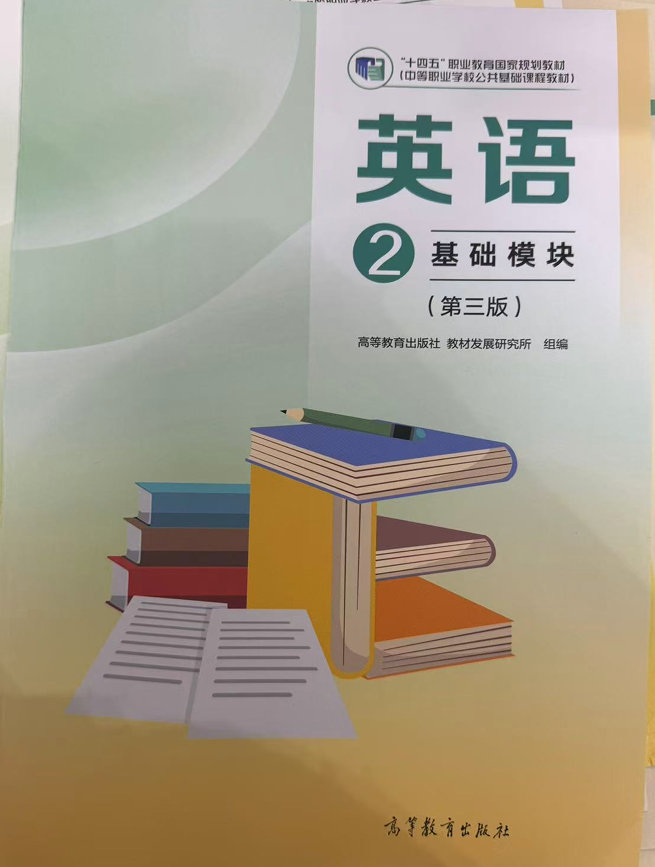
1.3 Travel-Language Practice(课件)-《英语 基础模块2》(高教版 第三版)【上好课】
2026-02-01
|
44页
|
1596人阅读
|
12人下载
精品
内容正文:
Travel
Language Practice
Unit 1
英语 基础模块2(高教版 第三版)
Learning Objectives
理解与运用旅行相关核心词汇
掌握与运用一般过去时的核心用法
能灵活运用旅行相关词汇和短语造句,解决实际语言应用问题
能运用一般过去时补全句子、短文,语法正确,表达通顺
了解不同的旅行文化,拓宽国际视野,增强文化自信
知识目标
能力目标
素养目标
CONTENTS
目录
01
课堂导入
02
知识讲授(一般过去时)
03
互动练习
04
课堂小结与课后作业
课堂导入
观看视频
歌词中标黄的动词是什么时态?
Grammar 一般过去时
When he was 19, his father died and he had to take
care of his mother.
He avoided traveling comfortably.
Xu set off for the first time at 22 and took four major
trips in his lifetime.
Although he experienced all sorts of difficulties, Xu
never thought of quitting.
Let's learn the simple past tense !
一般过去时
知识讲授
(一般过去时)
什么是时态?
时间
+
状态
过去,现在,将来
某人某物何时什么样子:
一般,进行,完成
Grammar 语法讲解
时态=时间 + 状态
过去
现在
将来
Grammar 语法讲解
时态=时间 + 状态
一般
进行
完成
Grammar 语法讲解
动词基本时态回顾
一般现在时
do/does
一般过去时
did
一般将来时
will do/
be going to do
一般时态 —— do
Grammar 语法讲解
1.用来描述在过去某个时候发生的动作或存在的状态。
2.也用来表示在过去某段时间里经常发生的习惯性动作。
I got up at 7:00 yesterday. 昨天我是七点起床的。
My father was at work yesterday afternoon.
昨天下午我爸爸在工作。
一般过去时定义
Grammar 语法讲解
yesterday昨天
the day before yesterday前天 yesterday morning昨天早上
last spring/week/month/year/
night
three days ago
two months ago
four years ago
a moment ago
long long ago
① tomorrow系列
②last系列
③ago系列
Grammar 语法讲解
一般过去时标志词
in 1990
on the morning of May 1st
just now
in the old days
in the past
once upon a time
the other day
in the old time
④介词+过去的时间
⑤短语系列
Grammar 语法讲解
一般过去时标志词
tomorrow
yesterday
just now
the day after tomorrow
two months ago
in 2035
last summer
the day before yesterday
once upon a time
in 1983
every day
Practice 语法练习
以下哪些是一般过去时的时间提示词?
直接加-ed
辅元辅的重读闭音节:
双写尾字母,加ed
以辅音字母+y结尾的,变y为i加ed
play → played
work → worked
不发音的e:去掉e,加ed
clean – cleaned
live-lived
use – used
stop-stopped
study-studied
drop-dropped
cry-cried
move-moved
chat-chatted
动词过去式(规则)
(动画)刚进入博物院,大家就看到了精美的金蝉玉叶,他们不禁赞叹。
(动画)Be quiet, teens. Raise your hand if you have any questions.
(动画)接下来,大报恩寺琉璃塔拱门。
(动画)Be careful. No touching, please.
(动画)现在来看,达摩渡江刺绣图。
(动画)No photos with flash, please. 因为闪关灯的光照会导致织物纤维破裂。
动词过去式(读音)
Grammar 语法讲解
读音规则 读音 例 词
在浊辅音后面
/d/ moved /mu:vd/
在清辅音后面 /t/ passed /pa:st/
在元音后面 /d/ needed /ni:did/
cost→cost cut→cut hit→hit hurt→hurt let→let put→put read→read
swim→swam sing→sang begin→began sit→sat give→gave drink→drank
bring→brought buy→bought
think→thought
catch→caught teach→taught
① AA型
②遇见i变为a
③过去式以ought和aught结尾的单词。
动词过去式(不规则)
feel→felt keep→kept sleep→slept feed→fed
sleep→slept sweep→swept meet→met
ride→rode
drive→drove
write→wrote
know→knew grow→grew throw→threw draw→drew
④中间去e末尾加t
⑤把i变为o
⑥ow/aw变为ew
build→built lend→lent send→sent spend→spent
⑦ 以d结尾的词,把d变成t。
动词过去式(不规则)
不规则动词过去式
see-saw
go-went
have-had
do-did
run-ran
get-got
say-said
tell-told
make-made
tell-told
take-took
come-came
fly-flew
meet-met
lose-lost
give-gave
find-found
know-knew
eat-ate
wear-wore
write-wrote
draw-drew
break-broke
swim-swam
leave-left
keep-kept
bite-bit
grow-grew
hear-heard
win-won
feed-fed
sit-sat
begin-began
drink-drank
lead-led
put-put
think-thought
buy-bought
teach-taught
bring-brought
Let's chant
一般过去时的结构
肯定句:主语 + 动词过去式+...
主语 + was/were+...
否定句:主语 + didn’t + 动词原形 + ...
主语 + was/were+ not + ...
疑问句:Did + 主语 + 动词原形 +...?
Was/Were+ 主语 + 动词原形 +...?
I didn’t cleaned my room last week.
Did you cleaned your classroom last week?
I cleaned my room last week.
Grammar 语法讲解
1. 含有be动词
肯定句
主语 + was/were + 其他。
I was happy yesterday.
否定句
主语 + was/were + not + 其他。
He was not at home.
一般疑问
Was/Were + 主语 + 其他?
Were you hungry?
特殊疑问句
疑问词+ was/were + 主语 + 其他。
Where was he?
was为单数;
were为复数
一般过去时的结构
(动画)刚进入博物院,大家就看到了精美的金蝉玉叶,他们不禁赞叹。
(动画)Be quiet, teens. Raise your hand if you have any questions.
(动画)接下来,大报恩寺琉璃塔拱门。
(动画)Be careful. No touching, please.
(动画)现在来看,达摩渡江刺绣图。
(动画)No photos with flash, please. 因为闪关灯的光照会导致织物纤维破裂。
2. 含有实义动词
肯定句
主语 + 动词的过去式 + 其他。
You studied hard in the past.
否定句
主语 +didn’t + 动词原形 + 其他。
We didn’t have class last week.
一般疑问
Did + 主语 + 动词原形 + 其他 ?
Did you live in Shanghai two years ago?
特殊疑问句
疑问词+ did+ 主语 + 动词原形+ 其他。
What did he do?
一般过去时的结构
(动画)刚进入博物院,大家就看到了精美的金蝉玉叶,他们不禁赞叹。
(动画)Be quiet, teens. Raise your hand if you have any questions.
(动画)接下来,大报恩寺琉璃塔拱门。
(动画)Be careful. No touching, please.
(动画)现在来看,达摩渡江刺绣图。
(动画)No photos with flash, please. 因为闪关灯的光照会导致织物纤维破裂。
陈述句改一般疑问句:(第一人称变第二人称。通常some变any。)
1.当句中含be动词或情态动词时,将它们提到句首。
I was a student.
Were you a student?
I was 11 years old last year.
Were you 11 years old last year?
2.当句中没有be动词和情态动词时,在句首加Did,动词变原形。
She worked at home yesterday.
Did she work at home yesterday?
My father caught some fish just now .
Did your father catch any fish just now ?
一般过去时的句型转换
(动画)刚进入博物院,大家就看到了精美的金蝉玉叶,他们不禁赞叹。
(动画)Be quiet, teens. Raise your hand if you have any questions.
(动画)接下来,大报恩寺琉璃塔拱门。
(动画)Be careful. No touching, please.
(动画)现在来看,达摩渡江刺绣图。
(动画)No photos with flash, please. 因为闪关灯的光照会导致织物纤维破裂。
陈述句改否定句:(some变any,and变or,too变either)
1.当句中含be动词或情态动词时,在它们后面加not。
I was a student.
I was not a student.
I was 11 years old last year.
I was not 11 years old last year.
2.当句中没有be动词和情态动词时,在动词前面加didn’t,动词变原形。
She worked at home, too.
She didn’t work at home, either.
My father caught some fish and birds just now .
My father didn’t catch any fish or birds just now.
一般过去时的句型转换
(动画)刚进入博物院,大家就看到了精美的金蝉玉叶,他们不禁赞叹。
(动画)Be quiet, teens. Raise your hand if you have any questions.
(动画)接下来,大报恩寺琉璃塔拱门。
(动画)Be careful. No touching, please.
(动画)现在来看,达摩渡江刺绣图。
(动画)No photos with flash, please. 因为闪关灯的光照会导致织物纤维破裂。
陈述句改特殊疑问句:
1.当句中含be动词或情态动词时,将其提前到疑问词后。
I was a student.
Who are you ?
My father could sing.
What could your father do?
2.当句中没有be动词和情态动词时,在疑问词后加助动词did,动词变原形。
We had some dogs.
What did we have?
Tom liked dogs.
What did Tom like?
一般过去时的句型转换
(动画)刚进入博物院,大家就看到了精美的金蝉玉叶,他们不禁赞叹。
(动画)Be quiet, teens. Raise your hand if you have any questions.
(动画)接下来,大报恩寺琉璃塔拱门。
(动画)Be careful. No touching, please.
(动画)现在来看,达摩渡江刺绣图。
(动画)No photos with flash, please. 因为闪关灯的光照会导致织物纤维破裂。
一般过去时记忆口诀
Grammar 语法讲解
动词一般过去时,表示过去发生的事;
be用was或用were, have,has变had;
谓语动词过去式,过去时间作标志;
一般动词加-ed,若是特殊得硬记。
否定句很简单,主语之后didn’t添;
疑问句也不难,did放在主语前;
如果谓语之前有did,谓语动词需还原;
动词若是was,were,否定就把not添。
易错辨析——误用was/were
Grammar 语法讲解
昨天天气阳光灿烂。
[误]It were sunny yesterday.
[正]It was sunny yesterday.
[析]be动词的过去式有两种形式,分别是was和were。was为am,is的过去式,were为are的过去式。本句的主语为it,故谓语应用was。
易错辨析——谓语动词与单数第三人称作主语和一般现在时态
Grammar 语法讲解
张老师上学期教我们英语。
[误] Mrs Zhang taughts us English last term.
[正] Mrs Zhang taught us English last term.
[析] 单数第三人称作主语的一般现在时态谓语动词要加-s/es,而实义动词的过去式无人称和数的变化。
易错辨析——实义动词不还原
Grammar 语法讲解
[误]-Was Lucy watched TV last night? -Yes, she was.
[误]-Did Lucy watched TV last night? -Yes, she did.
[正]-Did Lucy watch TV last night? -Yes, she did.
[析] 谓语动词为was或were的句子,变一般疑问句时,把was或were提到句首,回答时直接可用was/were;谓语动词为实义动词时要用助动词do的过去式did来构成一般疑问句式。实义动词不用过去形式要用动词原形,回答时直接用did。构成特殊疑问句时也是这样,实义动词也用动词原形。
易错辨析——前后句时态不一致
Grammar 语法讲解
1. 十分钟前他穿上外套出去了。
[误]He put on his coat and goes out ten minutes ago.
[正]He put on his coat and went out ten minutes ago.
[析]根据句中的ten minutes ago可知句中的两个动词都要用一般过去时。
2.当他爸爸回家的时候,他睡觉了。
[误]When his father got home , he goes to bed.
[正] When his father got home , he went to bed.
[析] 前后句时态要一致,根据前句中的got可知后句的动词应该用一般过去时。
互动练习
Read and complete. 用所给动词的适当形式补全句子。
1) We often (go) to school by bus last year.
2) Mr. Ma (travel) a lot and read a lot when he was young.
3) Xu Xiake (spend) over 30 years traveling throughout the country.
4) Luckily, the student (catch) the bus and (arrive)
at the practice base in time.
5) Marco Polo (write) about his travels along the Silk Road and
different places that he (pass) through, especially those in China.
went
traveled
spent
caught
arrived
wrote
passed
Read and complete. 用所给动词的适当形式补全句子。
7) Although he (experience) all sorts of difficulties, Xu never
thought of quitting.
8) Xu (choose) to go almost everywhere on foot and carried his
luggage on his back.
9) Xu set off for the first time at the age of 22 and (take) four
major trips in his lifetime.
experienced
chose
took
Read and complete. 用所给动词的适当形式补全句子。
10) He carefully studied the places and (record) his experiences
and discoveries.
11) Last summer, we (travel) to Yunnan and visited several
beautiful cities.
12) They asked local people for directions, and (avoid) getting
lost in the new city.
recorded
traveled
avoided
Read and complete. 用所给动词的适当形式补全短文。
Last Sunday, my class had a school trip. I 1) (feel) very excited, and even 2) (can’t) fall asleep on Saturday night. The next day I got up late and 3) (fail) to catch the school bus. I had to take the subway by myself. After getting off the subway, I 4) . (walk) and got lost. Then it 5) (begin) to rain and 6) . (force) me to run to a shelter. When I 7) (meet) my classmates
at the zoo, it 8) (be) almost noon.
felt
couldn’t
failed
walked
began
forced
met
was
重点短语
Vocabulary 词汇
all sorts of
各种各样的、形形色色的
in order to
give up
为了……(表目的)
各种各样的、形形色色的
set off
出发、动身;使爆炸
take care of
照顾、照料;处理、负责
1) We need to our bodies.
2) The clock said four minutes past eleven when we for London.
3) There are rooms in this hotel.
4) When things aren’t going well, my father encourages me, telling me not
to .
5) She arrived early get a good seat.
Choose and complete. 选择合适的短语,用其适当形式补全句子。
all sorts of in order to give up set off take care of
take care of
set off
all sorts of
give up
in order to
Read and complete.
阅读一篇有关徐霞客的短文,用所给单词的适当形式填空。
finally
major
experience
travel
record
Xu Xiake was a native of Jiangyin, Jiangsu Province. In his youth he showed great interest in travel and began his 1) trips. Over 30 years, he 2) throughout the country and wrote about every place he visited. Although Xu 3) all sorts of difficulties on the way, he never quit.
As Si Ku Quan Shu states, Xu 4) what he saw and heard with his own eyes and ears. After Xu’s death, his diary was edited and 5) became The Travel Notes of Xu Xiake.
major
traveled
experienced
recorded
finally
课堂小结
1. 词汇:travel, journey, experience, local, finally...
2. 短语:
take care of 照顾;注意
give up 放弃
set off 出发
in order to 为了
all sorts of 各种各样的
Summary. 知识总结
3.语法:一般过去时(Simple Past Tense)
1. 定义:描述过去的动作/状态
2. 动词过去式变化:
- 规则动词:
avoid→avoided(加-ed)
love→loved(加-d)
stop→stopped(双写+ed)
study→studied(变y为i+ed)
- 不规则动词:
give→gave spend→spent go→went have→had
3. 常用时间状语:last year, yesterday, in 2020...
Summary. 知识总结
Homework. 课后作业
① 背诵动词过去式(不规则)下节课准备默写;
② 用 5-8 句话描述自己的一次旅行经历,要求运用一般过去时和本节课所学词汇短语。
Lavf58.20.100
Packed by Bilibili XCoder v2.0.2
$
资源预览图

1

2

3

4

5

6
由于学科网是一个信息分享及获取的平台,不确保部分用户上传资料的 来源及知识产权归属。如您发现相关资料侵犯您的合法权益,请联系学科网,我们核实后将及时进行处理。