Unit5 First aid 语境图文单词课件-2025-2026学年高中英语人教版选择性必修第二册
2026-01-29
|
89页
|
1587人阅读
|
3人下载
普通
资源信息
| 学段 | 高中 |
|---|---|
| 学科 | 英语 |
| 教材版本 | 高中英语人教版选择性必修第二册 |
| 年级 | 高二 |
| 章节 | Unit 5 First Aid |
| 类型 | 课件 |
| 知识点 | - |
| 使用场景 | 同步教学-新授课 |
| 学年 | 2025-2026 |
| 地区(省份) | 全国 |
| 地区(市) | - |
| 地区(区县) | - |
| 文件格式 | PPTX |
| 文件大小 | 31.12 MB |
| 发布时间 | 2026-01-29 |
| 更新时间 | 2026-01-29 |
| 作者 | Astrid27 |
| 品牌系列 | - |
| 审核时间 | 2026-01-29 |
| 下载链接 | https://m.zxxk.com/soft/56180875.html |
| 价格 | 3.00储值(1储值=1元) |
| 来源 | 学科网 |
内容正文:
Unit 5
核心词汇
需讲透发音、词性、词义、搭配、例句、派生词,并结合高考考点拓展
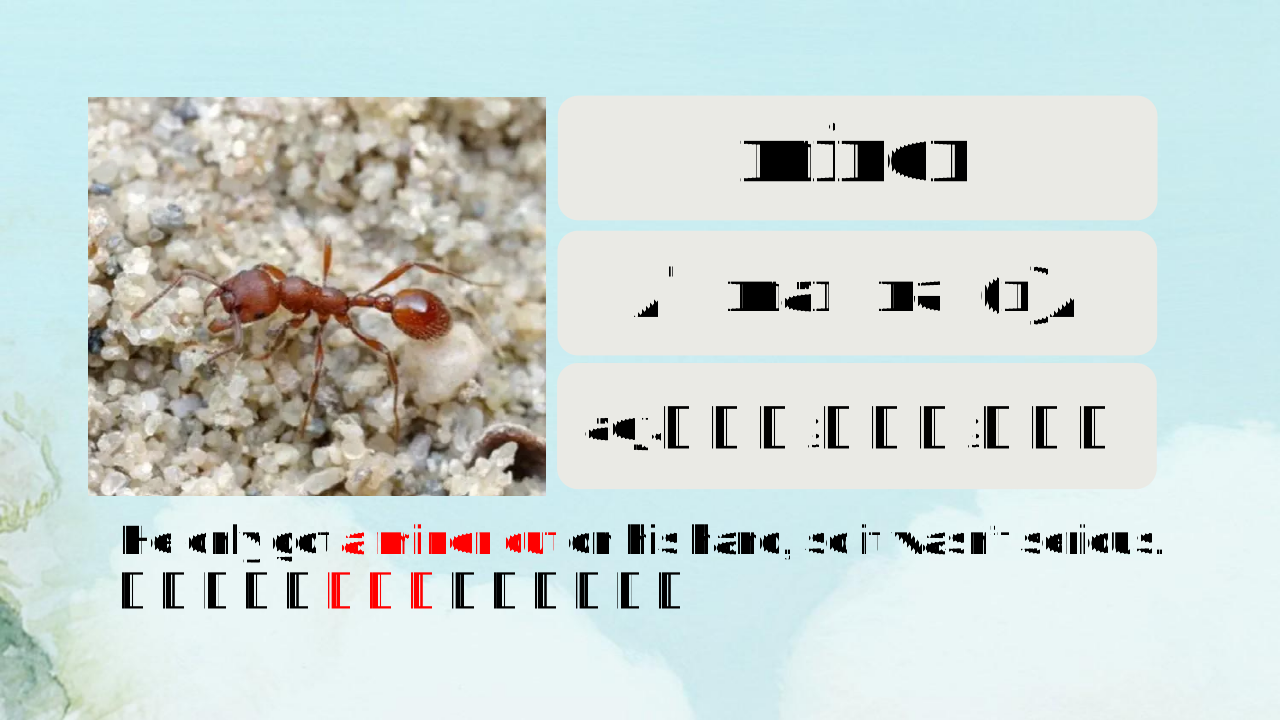
minor
/ˈmaɪnə(r)/
adj.较小的;次要的;轻微的
He only got a minor cut on his hand, so it wasn’t serious.
他手上只是小伤口,并不严重。
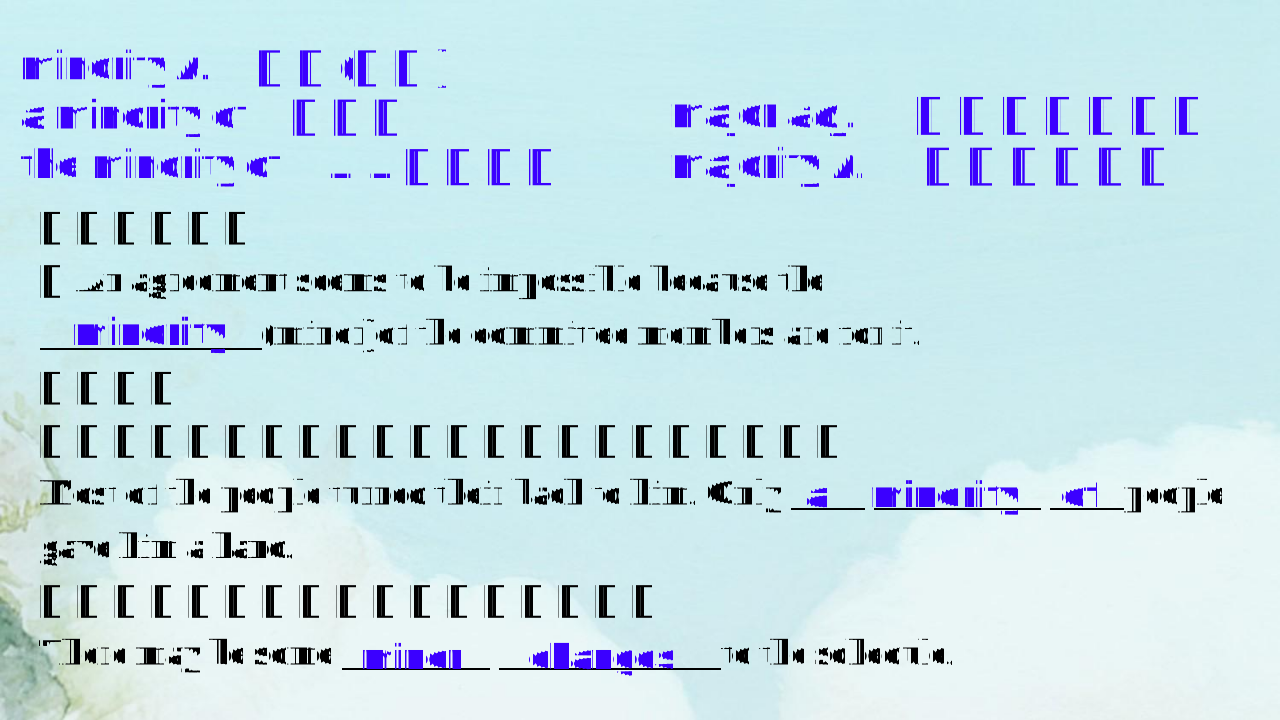
minority n. 少数(民族)
a minority of 少数的
the minority of ……中的少数
major adj. 较多的;主要的
majority n. 大半;大多数
单句语法填空
①An agreement seems to be impossible because the
(minor)of the committee members are for it.
完成句子
③大部分人都不支持他。仅仅一小部分人帮助他。
Most of the people turned their back to him. Only people gave him a hand.
④日程安排上也许会有些小小的变动。
There may be some to the schedule.
minority
a minority of
minor changes
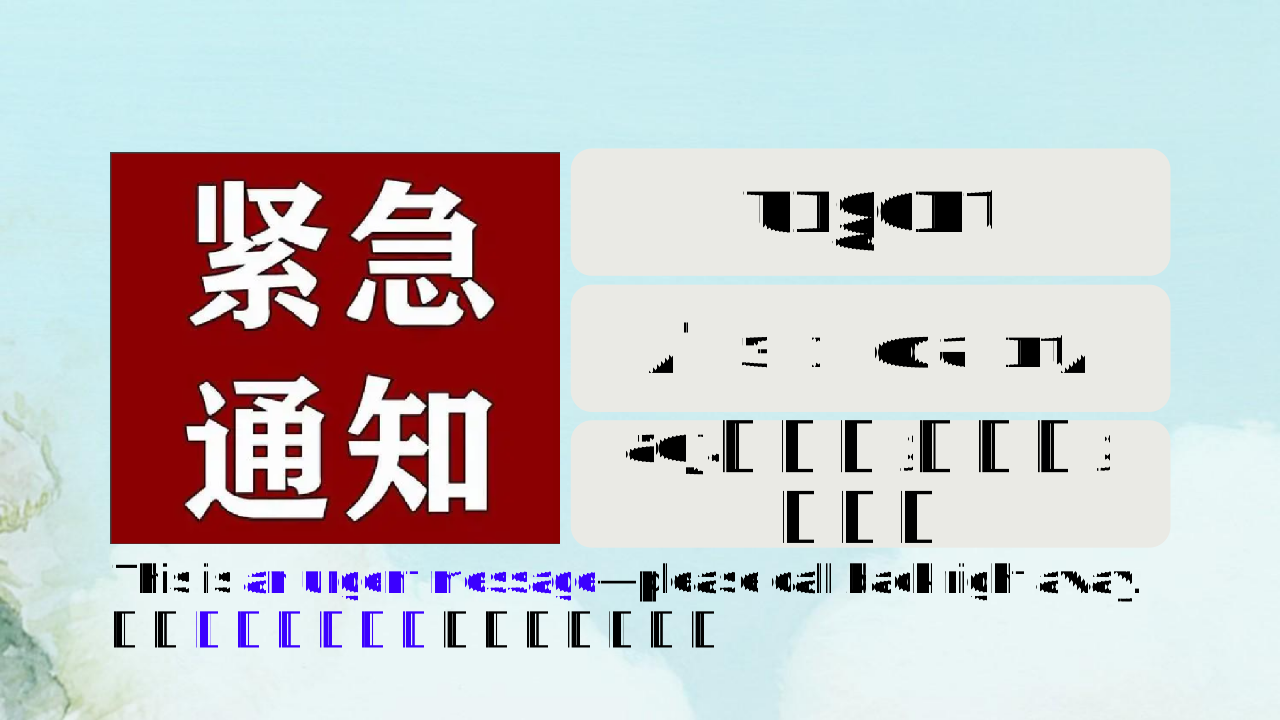
urgent
/ˈɜːʤənt/
adj.紧急的;急迫的;
迫切的
This is an urgent message—please call back right away.
这是一条紧急消息,请立刻回电。
It is urgent that... ……很紧急
(从句用虚拟语气,谓语用 (should) + 动词原形)
•例句:
It is urgent that we (should) take action to solve this problem.
我们迫切需要采取行动解决这个问题。
•拓展: urgently(adv.紧急地)
urgency(n.紧迫性)
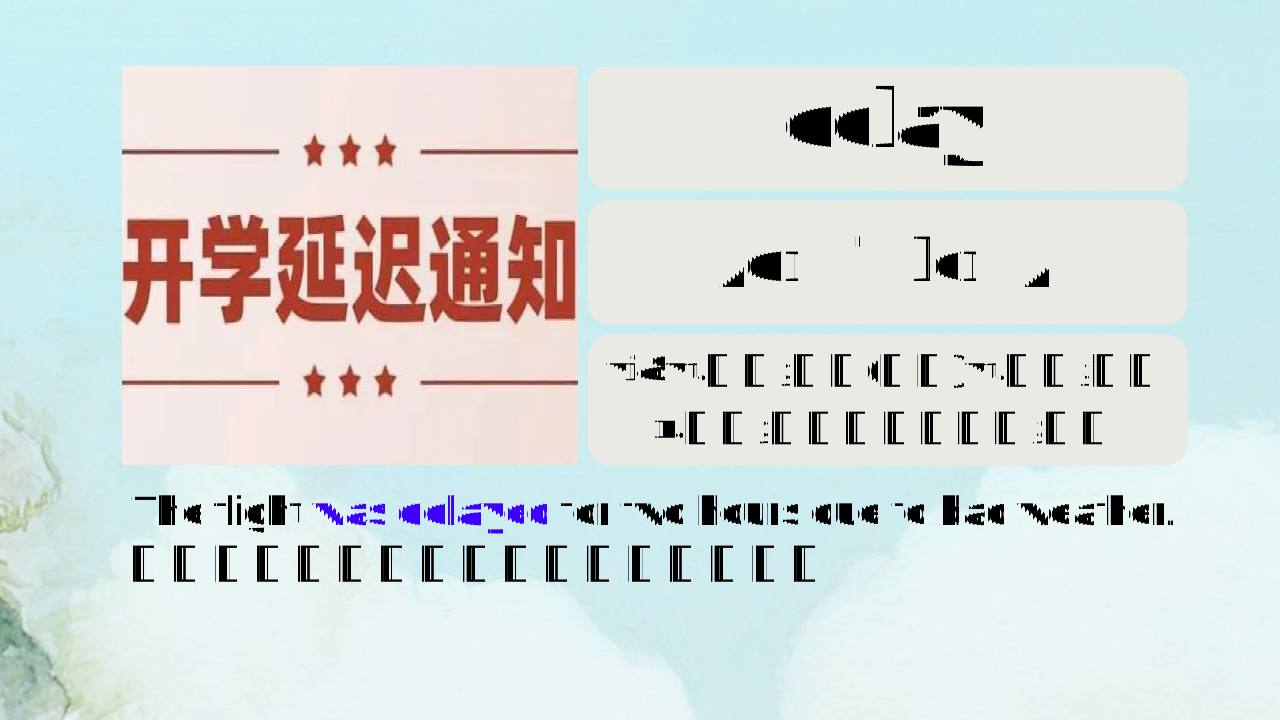
delay
/dɪˈleɪ/
vi&vt.推迟;延期(做某)vt.耽误;耽搁
n.延误;耽搁(的时间);推迟
The flight was delayed for two hours due to bad weather.
由于天气恶劣,航班延误了两个小时。
核心用法1:delay doing sth.(延误做某事)
例句:He delayed telling her the bad news.
他推迟了告诉她这个坏消息。
核心用法2:without delay(立刻,毫不拖延)
例句:You must leave for the hospital without delay.
释义:你必须立刻动身去医院。
• 易混辨析:delay(侧重“因外部原因推迟”)
postpone(侧重“主动安排延期”)
例句:The flight was delayed by fog. 航班因大雾延误。
We postponed the match to next week.
我们把比赛延期到了下周。
【即学即用】
单句语法填空
①When the (delay)flight will take off depends much on the weather.
②I don’t mind your delaying (make) the decision as long as it is not too late.
③They should have arrived at lunchtime but their flight
(delay).
delayed
making
was delayed
panic
/ˈpænɪk/
vi&vt.(使)惊慌
n.惊恐;恐慌
Don’t panic—there is no danger.
别恐慌,没有危险。
• 核心用法1:panic sb. into doing sth.
(使某人惊慌失措而做某事)
例句:The false news panicked people into buying too much salt.
这条假消息让人们惊慌失措,抢购了大量食盐。
• 核心用法2:get into a panic(陷入恐慌)
例句:She got into a panic when she couldn’t find her phone.
当她找不到手机时,陷入了恐慌。
• 变形考点:过去式/过去分词为 panicked,双写c+ed,
不可写成 paniced。
bleed
/bliːd/
vi.(bled,bled)流血;失血
blood
n. 血; 血液
If you cut your finger, it will bleed for a short time.
如果割破手指,会流一会儿血。
核心用法1:bleed for(为……流血/牺牲;为……悲痛)
例句:They bled for their country in the war.
他们在战争中为祖国流血牺牲。
• 核心用法2:bleed sb. dry(榨干某人的钱财)
例句:The high cost of living bleeds young people dry.
高昂的生活成本榨干了年轻人的钱财。
swell
/swel/
vi.(swelled,swollen)
膨胀;肿胀
My ankle began to swell up after I twisted it.
我扭到脚踝后,它就开始肿起来。
核心用法1:swell with pride/anger(充满骄傲/愤怒)
例句:Her heart swelled with pride when she won the prize.
当她获奖时,心中充满了骄傲。
• 核心用法2:swell up(肿起来)
例句:His hand swelled up after being bitten by a mosquito.
他的手被蚊子咬后肿了起来。
desperate
/ˈdespərət/
adj.绝望的;孤注一掷的;非常需要的
They were desperate for food and water after being lost for three days.他们迷路三天后,迫切需要食物和水。
【即学即用】
单句语法填空
①He took a deep breath, (desperate)trying to keep calm.
②Many people remain desperate help.
③He was desperate (get) a job.
desperately
for
to get
be desperate to do sth 急切地想要做某事
be desperate for sth 渴望得到某物
desperately adv.拼命地;绝望地;
desperation n. 绝望;拼命
interrupt
/ˌɪntəˈrʌpt/
vi&vt.打断;打扰
vt.使暂停;使中断
Please don‘t interrupt me while I’m speaking.
我说话的时候请不要打断我。
interrupt sb (with sth)(用……打断某人)
•例句:She interrupted me with a question.
她用一个问题打断了我。
interruption(打断;中断)
ease
/iːz/
vi&vt.(使)宽慰;减轻;
缓解 n.容易;舒适;自在
ease sb's pain/worry(缓解某人的痛苦/担忧);
The medicine helped ease her pain.这种药帮她缓解了疼痛。
at ease(自在,放松)
She felt at ease once she knew the children were safe.
知道孩子们安全后,她才放下心来。
easy adj.容易的;轻松的
with ease=easily 容易地
justify
/ˈʤʌstɪfaɪ/
n.证明…有道理;为…辩护;是…的正当理由
just adj.公正的
justice n. 公正
He tried to justify his late arrival by saying the bus was late.他试图用“公交车晚点”来为自己迟到辩解。
justify oneself为自己辩护
justify doing sth 证明做某事是正当的
单句语法填空
①It’s hard to justify (make)everyone wait for so long.
②I am in charge here.I don’t have to justify (my)to you.
完成句子
③你怎样对这笔开支做出合理的解释呢?
How can you ?
④我希望你能自圆其说。
I hope you’re able to .
翻译句子
⑤Can you justify your decision?
making
myself
justify the expense
justify yourself
你能证明你的决定正确吗?
1.用所给单词的适当形式填空
○The government took action (urgent) to deal with the flood.
○She (panic) when she realized she was lost.
○He delayed (tell) her the truth.
2.单项选择
○It is vital that we ______ (should) take action now.
A. take B. took C. have taken D. will take
○She was desperate ______ a chance to study abroad.
A. of B. for C. with D. to
urgently
panicked
telling
常考短语
help sb to one’s feet
/略/
帮助某人站起身来
He fell over, and I helped him to his feet.
他摔倒了,我扶他站了起来。
可引申为“帮助某人恢复/重新振作”
例句:The coach helped the team to their feet after their loss.
教练在球队失利后帮助他们重新振作起来。
face up/down
/略/
面朝上(朝下)
He lay face down on the floor to do push-ups.
他俯卧在地板上做俯卧撑。
拓展用法:face up to(勇敢面对)
例句:You must face up to your mistakes.
你必须勇敢面对自己的错误。
drown
/draʊn/
vi&vt. (使)淹死;
溺死;浸泡;淹没
He fell into the river and almost drowned.
他掉进河里,差点淹死。
drowned
adj.已经淹死的
drowning
adj.正在溺水的
drown in “沉溺于(情感/事物)”
例句:He drowned in grief after his mother's death.
释义:母亲去世后,他沉浸在悲痛之中。
认知类词汇
需认识单词和知道核心词义
technique
/tekˈniːk/
n.技能;技术;技艺
technical adj.技术的
technology n.技术(侧重科技)
leaflet
/ˈliːflət/
n.散页印刷品;
传单;小册子
hand out leaflet 分发传单
organ
/ˈɔːgən/
n.(人或动植物的)器官
organic adj.器官的;有机的
The heart is a vital organ that pumps blood around the body.
心脏是一个重要器官,负责向全身输送血液。
toxin
/ˈtɒksɪn/
n.毒素(尤指细菌产生的致病物质)
Some bacteria produce toxins that can make people sick.
有些细菌会产生让人生病的毒素。
ray
/reɪ/
n.光线;光束;
(热、电等)射线
We could feel the warm rays of the sun on our faces.
我们能感受到温暖的阳光照在脸上。
sense of touch
/略/
触觉
The sense of touch helps us feel if something is hot or cold.
触觉能帮我们感知物体的冷热。
radiation
/ˌreɪdɪˈeɪʃn/
n.辐射;放射线
Too much radiation from the sun can damage your skin.
过多的太阳辐射会损伤皮肤。
acid
/ˈæsɪd/
n.酸 adj.酸性的
Vinegar is a weak acid that is often used in cooking.
醋是一种弱酸,常用于烹饪。
millimeter
/ˈmɪlɪˌmiːtə(r)/
n.毫米;千分之一米
centimetre n. 厘米
The thickness of this paper is only 0.1 millimetres.
这张纸的厚度只有0.1毫米。
layer
/ˈleɪə(r);ˈleə(r) /
n.层;表层;层次
We put a thick layer of snow on the ground after the storm.
暴风雪过后,地上积了厚厚的一层雪。
electric
/ɪˈlektrɪk/
adj.电的;用电的;电动的
electrical
adj.与电相关的
electricity
n.电
An electric car is powered by batteries instead of petrol.
电动汽车靠电池而不是汽油驱动。
electric shock
/ɪˈlektrɪk ʃɒk/
触电;电击
Never touch a broken wire, or you might get an electric shock.
千万别碰断了的电线,否则可能会触电。
victim
/ˈvɪktɪm/
n.受害者;患者
The victim of the accident was taken to hospital immediately.
事故的受害者被立即送往医院。
swollen
/ˈswəʊlən/
adj.(身体部位)肿起的;
肿胀的
Her ankle was swollen after she fell down the stairs.
她从楼梯摔下来后脚踝肿了。
blister
/ˈblɪstə(r)/
n.(皮肤上因摩擦、烫伤等引起的)水疱;(金属等表面的)气泡、水泡
She got a blister on her foot from wearing new shoes.
穿新鞋让她脚上磨出了一个水泡。
underneath
/ˌʌndəˈniːθ/
prep&adv. 在…底下;
隐藏在下面
There is a small box underneath the table.
桌子下面有一个小盒子。
nerve
/nɜːv/
n.神经;勇气
nervous adj. 紧张的
It takes a lot of nerve to speak in front of a large audience.
在很多人面前演讲需要很大的勇气。
fabric
/ˈfæbrɪk/
n.织物;布料;
(社会、机构等的)结构
This dress is made of a soft cotton fabric.
> 这条裙子是用柔软的棉面料做的。
loose
/luːs/
adj.松的;未系紧的;宽松的
loosely adv. 宽松地;松散地
loosen vt. (使)变松;松开,解开
My shoes are too loose; I need to tighten the laces.
我的鞋太松了,我需要系紧鞋带。
paramedic
/ˌpærəˈmedɪk/
n.急救医生;护理人员
A paramedic arrived quickly to help the injured man.
急救人员迅速赶到,帮助受伤的男子。
swallow
/ˈswɒləʊ/
vt&vi.吞下;咽下
It’s difficult to swallow when your throat is sore.
喉咙痛的时候很难吞咽。
wrap
/ræp/
vi.包、裹;(用手臂等)围住
Please wrap the gift in colourful paper.
请用彩色纸把礼物包起来。
bathtub
/ˈbɑːθtʌb/
n.浴缸;浴盆
She filled the bathtub with warm water for a relaxing bath.
她在浴缸里放满温水,准备泡个舒服的澡。
bath
/bɑːθ/
n.洗澡;(BrE=bathtub)浴缸;浴盆
vt.(NAmE=bathe)给…洗澡
I take a warm bath every night to help me sleep.
我每晚都泡个热水澡帮助入睡。
slip
/slɪp/
vi.滑到;滑落;溜走
n.滑到;小错误;纸条
slipper
n.拖鞋
slippery
adj.滑的
Be careful not to slip on the wet floor.
小心别在湿地板上滑倒。
mosquito
/məsˈkiːtəʊ/
n.(pl.–oes,os)蚊子
A mosquito bit me on the arm, and now it’s itchy.
一只蚊子叮了我的胳膊,现在很痒。
elderly
/ˈeldəli/
adj.年纪较大的;
上了年纪的(婉辞)
The elderly man needs help crossing the street.
这位老人需要帮忙过马路。
carpet
/ˈkɑːpɪt/
n.地毯
The carpet in the living room is soft and warm.
客厅的地毯又软又暖和。
ambulance
/ˈæmbjələns/
n.救护车
An ambulance rushed the patient to the hospital.
救护车把病人紧急送往医院。
needle
/ˈniːdl/
n.针;缝衣针;注射针;指针
The nurse used a needle to give me an injection.
护士用针给我打针。
IV needle
/略/
n.静脉注射针
The doctor inserted an IV needle into her arm to give her fluids.
医生把静脉注射针插进她的胳膊,为她输液。
vital sign
/略/
生命体征
The nurse checks the patient’s vital signs every hour.
护士每小时都会检查病人的生命体征。
ward
/wɔːd/
n.病房
She stayed in the hospital ward for three days after the operation.
手术后她在病房住了三天。
sprain
/spreɪn/
vt.扭伤(关节) n. 扭伤
She sprained her ankle while playing basketball.
她打篮球时扭伤了脚踝。
ankle
/ˈæŋkl/
n.踝;踝关节
He twisted his ankle and couldn’t walk properly.
他扭到了脚踝,没法正常走路。
bleeding
/ˈbliːdɪŋ/
n.流血;失血
The bleeding from his cut stopped after he put a bandage on it.
他贴上创可贴后,伤口就不流血了。
scream
/skriːm/
vi&vt.(因愤怒或恐惧)高声喊;大声叫 n.尖叫;尖锐刺耳的声音
She screamed when she saw a mouse in the kitchen.
她在厨房看到老鼠时尖叫起来。
fellow
/ˈfeləʊ/
adj.同类的;同事的;同伴的;同情况的 n.男人;家伙;同事;同辈;同类
He is a fellow worker at my company.
他是我公司的同事。
diner
/ˈdaɪnə(r)/
n.(尤指餐馆的)就餐者
区分:dinner n.晚餐
dining n.吃饭,进餐
The diner ordered a steak and a glass of wine.
那位食客点了一份牛排和一杯红酒。
choke
/ʧəʊk/
vi&vt.(使)窒息;(使)哽咽
He choked on a piece of bread and couldn’t breathe.
他被一块面包噎住了,喘不过气来。
steak
/steɪk/
n.牛排;肉排
I like to eat steak with a side of vegetables.
我喜欢吃牛排配蔬菜。
throat
/θrəʊt/
n.咽喉;喉咙
My throat is sore, so I can’t speak loudly.
我喉咙痛,所以不能大声说话。
slap
/slæp/
vt.(用手掌)打、拍
n.(用手掌)打.拍;拍击声
She slapped him across the face in anger.
她生气地打了他一耳光。
practical
/ˈpræktɪkl/
adj.切实可行的;
实际的;实践的
practice n. & v. 实践;练习
practically adv.实际性地
This is a practical tool that can be used for many things.
这是一个实用的工具,能用来做很多事。
obstruction
/əbˈstrʌkʃn/
n.阻碍;堵塞;阻塞物
There is an obstruction in the road, so we have to take a different route.
路上有障碍物,我们得换条路走。
fist
/fɪst/
n.拳;拳头
He hit the table with his fist in frustration.
他沮丧地用拳头砸桌子。
grab
/græb/
vt.抓住;攫取
n.抓取;抢夺
She grabbed her bag and ran out of the house.
她抓起包就跑出了房子。
tightly
/ˈtaɪtli/
adv.紧紧地;牢固地;
紧密地
She held her baby tightly in her arms.
她把宝宝紧紧抱在怀里。
tight
/taɪt/
adj.牢固的;紧身的;绷紧的;严密的adv.紧紧地;牢固地
tighten v. (使)变紧,更加牢固
These shoes are too tight; they hurt my feet.
这双鞋太紧了,磨得我的脚疼。
motion
/ˈməʊʃn/
n.运动;移动
The motion of the boat made her feel sick.
船的晃动让她感到恶心。
welfare
/ˈwelfeə(r)/
n.幸福;福祉;安康;福利
The government has taken measures to improve people's welfare.
政府已经采取措施改善民众的福利。
collapse
/kəˈlæps/
vi.(突然)倒塌;
(因病等)昏倒
The old building collapsed during the heavy rain.
那座老建筑在暴雨中倒塌了。
manual
/ˈmænjʊəl/
n.使用手册;说明书
adj.用手的;手工的;体力的;手控的
You should read the manual before using the new machine.使用新机器前你应该看说明书。
The work is manual, so it needs a lot of physical effort.
这份工作是体力活,需要耗费很多体力。
sleep in
/略/
迟起;睡过头;睡懒觉
out of shape
/略/
健康状况不好
He has been out of shape since he stopped exercising.
自从停止锻炼后,他的健康状况就变差
foggy
/ˈfɒgi/
adj.有雾的
fog n.雾
suburb
/ˈsʌbɜːb/
n.郊区;城外
My grandparents live in the suburb, where the air is fresh.我的祖父母住在郊区,那里空气很清新。
membership
/ˈmembəʃɪp/
n.会员身份;
全体会员;会员人数
member n. 成员;会员
You need to pay 50 yuan a year to keep your membership.
你需要每年支付50元来维持会员身份。
感谢
聆听
Taylor
/ˈteɪlə(r)/
泰勒
CPR abbr
(cardiopulmonary resuscitatio)
/略/
肺复苏(包括人工呼吸
和体外心脏按压)
mouth-to-mouth
rescue breathing
/略/
口对口人工呼吸
Heimlich manoeuvre
/ˈhaɪmlɪk məˈnuːvə(r)/
海姆利克式操作法
$
资源预览图
1
2
3
4

5
6
相关资源
由于学科网是一个信息分享及获取的平台,不确保部分用户上传资料的 来源及知识产权归属。如您发现相关资料侵犯您的合法权益,请联系学科网,我们核实后将及时进行处理。