Unit 4 Eat Well 寒假预习讲义-2025-2026学年人教版 七年级下册
2026-01-07
|
8页
|
516人阅读
|
15人下载
普通
资源信息
| 学段 | 初中 |
|---|---|
| 学科 | 英语 |
| 教材版本 | 初中英语人教版七年级下册 |
| 年级 | 七年级 |
| 章节 | Unit 4 Eat Well |
| 类型 | 教案-讲义 |
| 知识点 | - |
| 使用场景 | 寒暑假-寒假 |
| 学年 | 2026-2027 |
| 地区(省份) | 全国 |
| 地区(市) | - |
| 地区(区县) | - |
| 文件格式 | DOCX |
| 文件大小 | 37 KB |
| 发布时间 | 2026-01-07 |
| 更新时间 | 2026-01-07 |
| 作者 | xkw_054162978 |
| 品牌系列 | - |
| 审核时间 | 2026-01-07 |
| 下载链接 | https://m.zxxk.com/soft/55833330.html |
| 价格 | 0.50储值(1储值=1元) |
| 来源 | 学科网 |
内容正文:
人教版 2024 七年级下册 Unit 4 Eat Well 预习讲义
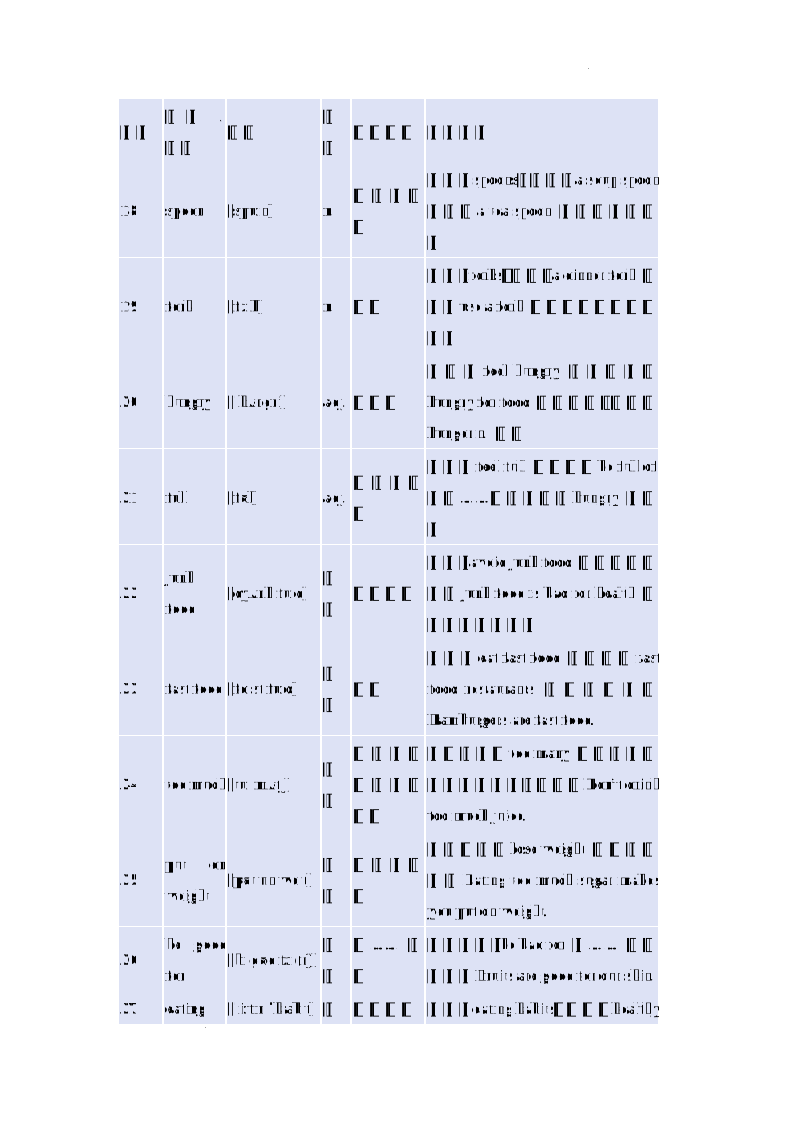
Unit 4 核心词汇表
序号
单词 / 短语
音标
词性
中文释义
拓展延伸
1
balanced
[ˈbælənst]
adj.
均衡的;平衡的
派生词:balance n./v. 平衡;搭配:a balanced diet 均衡饮食;例句:A balanced diet keeps us fit.
2
nutrition
[njuˈtrɪʃn]
n.
营养
派生词:nutritious adj. 有营养的;搭配:daily nutrition 日常营养;例句:Vegetables provide rich nutrition.
3
watermelon
[ˈwɔːtəmelən]
n.
西瓜
复数:watermelons;搭配:fresh watermelon 新鲜西瓜;watermelon juice 西瓜汁
4
cabbage
[ˈkæbɪdʒ]
n.
卷心菜;洋白菜
不可数 / 可数均可;搭配:fried cabbage 炒白菜;pickled cabbage 泡菜
5
mutton
[ˈmʌtn]
n.
羊肉
不可数名词;搭配:mutton noodles 羊肉面;roast mutton 烤羊肉;反义:beef 牛肉
6
dumpling
[ˈdʌmplɪŋ]
n.
饺子
复数:dumplings;搭配:steamed dumplings 蒸饺子;dumpling soup 饺子汤
7
onion
[ˈʌnjən]
n.
洋葱;葱头
复数:onions;搭配:cut up onions 切洋葱;fried onions 炸洋葱;注意:发音中 “n” 不发音
8
cookie
[ˈkʊki]
n.
曲奇饼;饼干
复数:cookies;搭配:chocolate cookies 巧克力曲奇;属于甜点类零食
9
coffee
[ˈkɒfi]
n.
咖啡
不可数名词;搭配:a cup of coffee 一杯咖啡;black coffee 黑咖啡;反义:tea 茶
10
porridge
[ˈpɒrɪdʒ]
n.
粥;麦片粥
不可数名词;搭配:rice porridge 白粥;oat porridge 燕麦粥;早餐常用
11
customer
[ˈkʌstəmə(r)]
n.
顾客;客户
复数:customers;搭配:serve customers 服务顾客;regular customer 常客
12
waitress
[ˈweɪtrəs]
n.
女服务员
对应词:waiter n. 男服务员;搭配:a restaurant waitress 餐厅女服务员
13
menu
[ˈmenjuː]
n.
菜单
复数:menus;搭配:look at the menu 看菜单;order from the menu 按菜单点餐
14
taste
[teɪst]
v./n.
尝起来;味道
动词搭配:taste sweet 尝起来甜;名词搭配:a strong taste 浓烈的味道;派生词:tasty adj. 美味的
15
serve
[sɜːv]
v.
提供;服务
搭配:serve food 提供食物;serve customers 服务顾客;派生词:service n. 服务
16
fry
[fraɪ]
v.
油炸;煎
过去式 / 过去分词:fried;搭配:fry eggs 煎蛋;fried chicken 炸鸡;注意:fried food 易发胖
17
steam
[stiːm]
v./n.
蒸;蒸汽
搭配:steam rice 蒸米饭;steam vegetables 蒸蔬菜;健康烹饪方式
18
spoon
[spuːn]
n.
勺子;汤匙
复数:spoons;搭配:a soup spoon 汤匙;a tea spoon 茶匙;常用餐具
19
fork
[fɔːk]
n.
叉子
复数:forks;搭配:a dinner fork 餐叉;use a fork 用叉子;西方常用餐具
20
hungry
[ˈhʌŋɡri]
adj.
饥饿的
搭配:feel hungry 感到饥饿;hungry for food 渴望食物;派生词:hunger n. 饥饿
21
full
[fʊl]
adj.
饱的;满的
搭配:feel full 感到饱;be full of 充满……;反义词:hungry 饥饿的
22
junk food
[dʒʌŋk fuːd]
短语
垃圾食品
搭配:avoid junk food 避免垃圾食品;junk food is bad for health 垃圾食品有害健康
23
fast food
[fɑːst fuːd]
短语
快餐
搭配:eat fast food 吃快餐;fast food restaurants 快餐店;例:Hamburgers are fast food.
24
too much
[tuː mʌtʃ]
短语
太多(接不可数名词)
反义短语:too many 太多(接可数名词复数);例句:Don’t drink too much juice.
25
put on weight
[pʊt ɒn weɪt]
短语
增重;发胖
反义短语:lose weight 减肥;例句:Eating too much sugar makes you put on weight.
26
be good for
[bi ɡʊd fɔː(r)]
短语
对…… 有益
反义短语:be bad for 对…… 有害;例句:Fruits are good for our skin.
27
eating habit
[ˈiːtɪŋ ˈhæbɪt]
短语
饮食习惯
复数:eating habits;搭配:healthy eating habits 健康饮食习惯
28
three meals a day
[θriː miːlz ə deɪ]
短语
一日三餐
搭配:have three meals a day 规律吃一日三餐;例句:We should have three meals a day.
29
look through
[lʊk θruː]
短语
浏览;查看
搭配:look through the menu 浏览菜单;look through recipes 查看食谱
30
take in
[teɪk ɪn]
短语
吸收;摄入
搭配:take in nutrition 摄入营养;take in fresh air 吸入新鲜空气
31
stay away from
[steɪ əˈweɪ frəm]
短语
远离;避开
搭配:stay away from junk food 远离垃圾食品;stay away from spicy food 避开辛辣食物
练习部分
Part 1 词形转换
1. balance n./v. → adj. ________(均衡的)
2. nutrition n. → adj. ________(有营养的)
3. taste v./n. → adj. ________(美味的)
4. serve v. → n. ________(服务)
5. hungry adj. → n. ________(饥饿)
6. health n. → adj. ________(健康的);adj. ________(不健康的)
7. onion n. → 复数 ________
8. cookie n. → 复数 ________
9. fry v. → 过去式 ________;过去分词 ________
10. full adj. → 反义词 ________(饥饿的)
Part 2 用词汇的正确形式填空
1. We should eat more ________ (vegetable) and less meat to keep healthy.
2. My mother often buys fresh ________ (tomato) and ________ (potato) in the supermarket.
3. ________ (Mutton) is my favorite meat. I often eat it for lunch.
4. Eating a ________ (balance) diet is important for teenagers’ growth.
5. This apple pie ________ (taste) very delicious. Would you like some?
6. Don’t eat too many ________ (cookie). They are high in sugar and fat.
7. Beef and pork are both good sources of protein, but ________ (mutton) is more expensive.
8. She ________ (serve) customers in a restaurant every weekend.
9. We need to ________ (cut up) the onions before putting them into the soup.
10. ________ (Health) eating habits help us stay away from illness.
11. He feels ________ (hunger) now because he didn’t eat breakfast.
12. After eating a big dinner, I feel ________ (full) and don’t want to move.
13. Junk food is ________ (bad) for our health. We should stay away from it.
14. My sister likes to eat ________ (fry) chicken, but my mother asks her to eat less.
15. We should ________ (take in) enough nutrition every day to keep fit.
16. There are two ________ (spoon) and a ________ (fork) on the plate.
17. The restaurant ________ (serve) delicious dumplings every day.
18. She ________ (fry) some eggs for breakfast yesterday morning.
19. ________ (Porridge) is a popular breakfast food in China.
20. It’s a good habit to have ________ (three meal) a day regularly.
Part 3 语法填空
Eating well is important for our health. It helps us keep fit and full of energy. What should we eat to have a ________ (health) diet?First, we should eat plenty of vegetables and fruits. They are rich in vitamins and help us ________ (fight) against illness. Second, we need to eat some ________ (grain) products, like rice, bread and noodles. They provide us with energy for daily activities. Third, we can have some ________ (dairy) products and lean meat. They help build our body.We should also avoid eating too much junk food, such as fried chicken and potato chips. They are high in fat and sugar and ________ (be) bad for our health. It’s important to have three meals a day ________ (regular). Don’t skip breakfast, because it’s the most important meal of the day.Cooking methods are also important. We can boil, steam or bake food instead of ________ (fry) it. Boiled vegetables keep more nutrition than fried ones.Remember: A balanced diet and good eating habits ________ (make) us healthy and happy. Let’s eat well and live a better life!
【答案】
Part 1 词形转换答案
1.balanced 2. nutritious 3. tasty 4. service 5. hunger
6.healthy;unhealthy 7. onions 8. cookies 9. fried;fried 10. hungry
Part 2 用词汇的正确形式填空答案与解析
1. vegetables (more 后接可数名词复数,“更多蔬菜”)
2. tomatoes;potatoes (tomato 和 potato 的复数均为不规则变化,加 - es)
3. Mutton (此处指 “羊肉”,不可数名词,首字母大写表特指)
4. balanced (形容词修饰名词 diet,“均衡的饮食”)
5. tastes (主语为单数,一般现在时谓语动词用三单形式)
6. cookies (too many 后接可数名词复数,“太多曲奇饼”)
7. mutton (不可数名词,此处指代 “羊肉” 这一类食物)
8. serves (主语为第三人称单数,一般现在时谓语动词用三单形式)
9. cut up (need to 后接动词原形,“需要切碎”)
10. Healthy (形容词修饰名词短语 eating habits,首字母大写)
11. hungry (feel 后接形容词,“感到饥饿的”)
12. full (feel 后接形容词,“感到饱的”)
13. bad (be bad for 固定搭配,“对…… 有害”)
14. fried (形容词修饰名词 chicken,“油炸的鸡肉”)
15. take in (情态动词 should 后接动词原形,“摄入”)
16. spoons;fork (two 后接可数名词复数,a 后接单数名词)
17. serves (主语为单数,一般现在时谓语动词用三单形式)
18. fried (由 yesterday morning 可知用一般过去时,fry 的过去式为 fried)
19. Porridge (不可数名词,此处表泛指,首字母大写)
20. three meals (meal 为可数名词,three 后接复数形式,“一日三餐”)
Part 3 语法填空答案与解析
1. healthy (形容词修饰名词 diet,“健康的饮食”)
2. fight (help sb. (to) do sth. 固定搭配,“帮助某人做某事”,接动词原形)
3. grain (名词作定语,grain products 固定短语 “谷物制品”)
4. dairy (形容词修饰名词 products,“乳制品”)
5. are (主语为复数 junk food(指代垃圾食品这类食物),be 动词用 are)
6. regularly (副词修饰动词 have,“规律地吃三餐”)
7. frying (instead of 后接动名词,“而不是油炸”)
8. make (主语为复数 a balanced diet and good eating habits,谓语动词用原形)
【核心语法点拨】
本单元核心语法为可数名词与不可数名词、一般现在时、形容词与副词的用法及选择疑问句:
可数名词与不可数名词:
可数名词有单复数变化(dumpling→dumplings, cookie→cookies),可与 a/an、数词搭配。
不可数名词无复数形式(mutton, coffee, porridge, nutrition),需用 “量词 + of + 不可数名词” 表数量(a bowl of porridge 一碗粥,two cups of coffee 两杯咖啡)。
一般现在时:
用于描述日常饮食习惯(I have porridge for breakfast. 我早餐喝粥。)和食物特性(Fruits taste sweet. 水果尝起来甜。)。
主语为第三人称单数时,谓语动词加 - s/-es(She serves customers every day. 她每天服务顾客。)。
形容词与副词:
形容词修饰名词(healthy food 健康的食物),作表语(The soup is tasty. 这汤很美味。)。
副词修饰动词(eat regularly 规律地吃),由形容词加 - ly 构成(regular→regularly)。
选择疑问句:
结构:一般疑问句 / 特殊疑问句 + or + 备选选项(Would you like coffee or tea? 你想要咖啡还是茶?)。
回答:不能用 Yes/No,需直接选择备选选项(Tea, please. 请给我茶。)。
学科网(北京)股份有限公司
$
资源预览图

1

2
3

相关资源
由于学科网是一个信息分享及获取的平台,不确保部分用户上传资料的 来源及知识产权归属。如您发现相关资料侵犯您的合法权益,请联系学科网,我们核实后将及时进行处理。