Unit 4单词系统讲解表2025-2026学年人教版英语七年级上册
2026-01-04
|
9页
|
102人阅读
|
1人下载
普通
资源信息
| 学段 | 初中 |
|---|---|
| 学科 | 英语 |
| 教材版本 | 初中英语人教版八年级上册 |
| 年级 | 七年级 |
| 章节 | Unit 4 Amazing Plants and Animals |
| 类型 | 学案-知识清单 |
| 知识点 | - |
| 使用场景 | 同步教学-单元练习 |
| 学年 | 2026-2027 |
| 地区(省份) | 全国 |
| 地区(市) | - |
| 地区(区县) | - |
| 文件格式 | DOCX |
| 文件大小 | 37 KB |
| 发布时间 | 2026-01-04 |
| 更新时间 | 2026-01-04 |
| 作者 | 课堂干货铺(关注我,主页搜资料,初中英语各版本,不定时更新) |
| 品牌系列 | - |
| 审核时间 | 2026-01-04 |
| 下载链接 | https://m.zxxk.com/soft/55771989.html |
| 价格 | 0.50储值(1储值=1元) |
| 来源 | 学科网 |
摘要:
该初中英语Unit 4单词系统讲解表全面覆盖学科名称、动词、形容词等核心词汇,通过核心搭配梳理、重点考点解析、经典例句支撑,构建从词汇记忆到语境应用的递进式学习支架。
清单以“单词-搭配-考点-例句”四维结构呈现知识体系,如动词learn标注“learn to do sth.”搭配及与study的辨析,形容词difficult突出“It's difficult to do sth.”句型,培养学生语言能力和思维品质。特别设计易混词对比(如hard与hardly)和语法要点(use的多词性),不同基础学生可高效掌握,教师可直接用于词汇教学和考点突破。
内容正文:
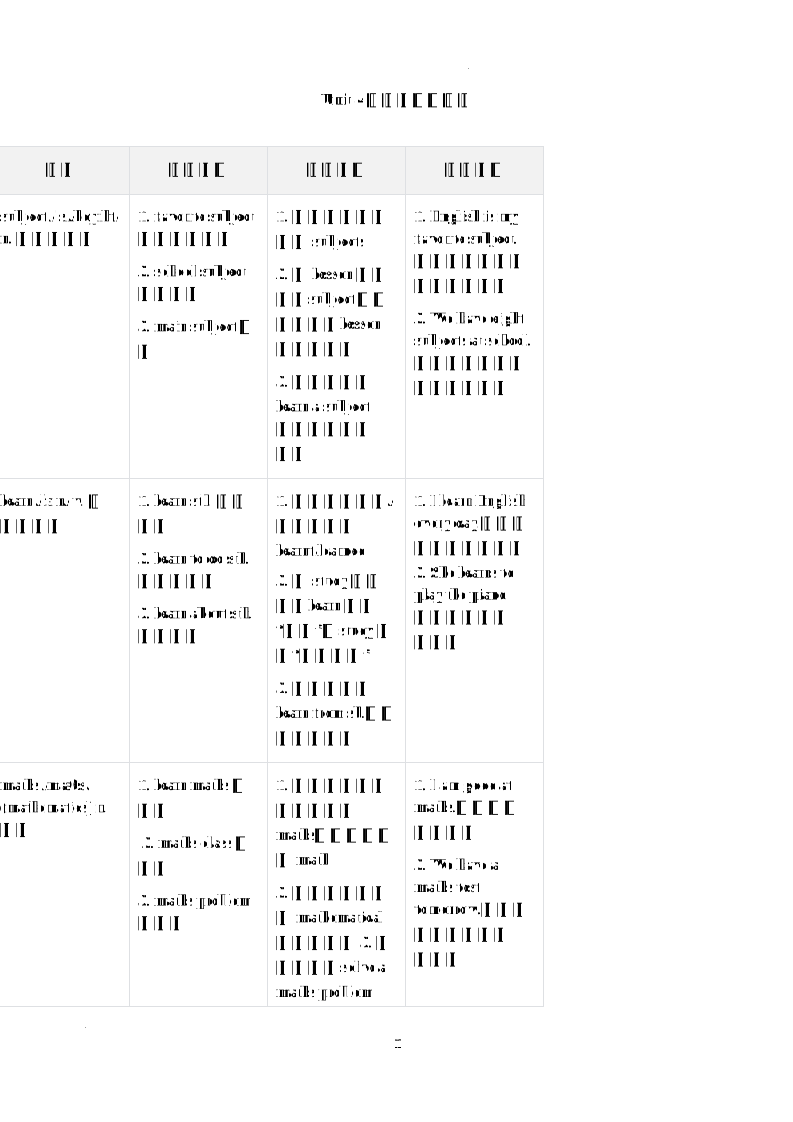
Unit 4 单词系统讲解表 单词 核心搭配 重点考点 经典例句 subject / s bd kt/ n. 学科;科目 1. favorite subject 最喜欢的科目 2. school subject 学校科目 3. main subject 主科 1. 可数名词,复数为subjects 2. 与lesson的区别:subject指学科门类,lesson指具体课程 3. 常见搭配:learn a subject(学习一门学科) 1. English is my favorite subject.(英语是我最喜欢的科目。) 2. We have eight subjects at school.(我们在学校有八门科目。) learn /l n/ v. 学习;得知 1. learn sth. 学习某物 2. learn to do sth. 学习做某事 3. learn about sth. 了解某事 1. 动词,过去式/过去分词为learnt/learned 2. 与study的区别:learn侧重“学会”,study侧重“学习过程” 3. 固定搭配:learn from sb.(向某人学习) 1. I learn English every day.(我每天学习英语。)2. She learns to play the piano.(她学习弹钢琴。) maths /m s/ (mathematics) n. 数学 1. learn maths 学数学 2. maths class 数学课 3. maths problem 数学题 1. 不可数名词,英式拼写为maths,美式拼写为math 2. 对应的形容词为mathematical(数学的) 3. 常用搭配:solve a maths problem(解数学题) 1. I am good at maths.(我擅长数学。) 2. We have a maths test tomorrow.(我们明天有数学测试。) PE / pi i / (physical education) n. 体育 1. PE class 体育课 2. PE teacher 体育老师 3. PE lesson 体育课 1. 不可数名词,是physical education的缩写,首字母必须大写 2. 口语中也可说成P.E. 3. 固定搭配:have PE class(上体育课) 1. We have PE on Wednesday.(我们周三有体育课。) 2. Our PE teacher is very strong.(我们的体育老师很强壮。) hard /h d/ adj. 困难的;adv. 努力地 1. hard work 艰苦的工作 2. study hard 努力学习 3. a hard question 难题 1. 作形容词时,反义词为easy(容易的);作副词时,反义词为easily(轻松地) 2. 与hardly的区别:hardly表“几乎不”,hard表“努力地/困难的” 3. 固定搭配:work hard(努力工作) 1. This problem is very hard.(这道题很难。) 2. He studies hard at school.(他在学校努力学习。) difficult / d f k lt/ adj. 困难的 1. a difficult task 艰巨的任务 2. It's difficult to do sth. 做某事很困难 3. difficult for sb. 对某人来说困难 1. 形容词,修饰名词作定语或表语,反义词为easy(容易的) 2. 名词形式为difficulty(困难) 3. 固定句型:It's difficult (for sb.) to do sth. 1. English is difficult for me.(英语对我来说很难。) 2. It's difficult to finish the work in an hour.(一小时内完成这项工作很难。) sure / (r)/ adv. 当然;一定;adj. 确定的 1. sure of sth. 对某事确定 2. make sure 确保 3. —Can you help me? —Sure!(—你能帮我吗?—当然!) 1. 作副词时用于口语表肯定回应,作形容词时后接of/that从句 2. 固定搭配:be sure to do sth.(务必做某事) 3. 口语中常用Sure. 代替Yes. 1. I'm sure he will come.(我确定他会来。) 2. Sure, I can give you a hand.(当然,我可以帮你。) easy / i zi/ adj. 容易的 1. an easy question 简单的问题 2. It's easy to do sth. 做某事很容易 3. easy for sb. 对某人来说容易 1. 形容词,修饰名词作定语或表语,反义词为hard/difficult(困难的) 2. 比较级为easier,最高级为easiest 3. 固定句型:It's easy (for sb.) to do sth. 1. This is an easy job.(这是一份简单的工作。) 2. It's easy to learn English well if you work hard.(如果你努力,学好英语很容易。) use /ju z/ v. 使用;利用;/ju s/ n. 使用;用途 1. use sth. to do sth. 用某物做某事 2. make use of 利用 3. the use of sth. 某物的用途 1. 作动词时,过去式/过去分词为used;作名词时为不可数名词(表“用途”时可加s) 2. 固定搭配:be used to do sth.(被用来做某事),used to do sth.(过去常常做某事) 3. 形容词形式为useful(有用的) 1. We use pens to write.(我们用笔写字。) 2. What's the use of this tool?(这个工具的用途是什么?) give / v/ v. 给;送给;供给 1. give sb. sth. = give sth. to sb. 给某人某物 2. give up 放弃 3. give a gift 送礼物 1. 动词,过去式/过去分词为gave/given 2. 双宾语动词,可接“人+物”或“物+to+人”结构 3. 固定搭配:give up doing sth.(放弃做某事) 1. She gives me a book.(她给了我一本书。) 2. Don't give up learning English.(不要放弃学英语。) idea /a d / n. 想法;主意 1. a good idea 好主意 2. have an idea 有一个想法 3. come up with an idea 想出一个主意 1. 可数名词,复数为ideas 2. 固定搭配:have no idea(不知道) 3. 口语中常用That's a good idea!(好主意!) 1. I have a good idea for the party.(我为派对想到了一个好主意。) 2. He has no idea about the question.(他对这个问题一无所知。) listen / l sn/ v. 听 1. listen to sb./sth. 听某人/某物 2. listen carefully 认真听 3. listen to music 听音乐 1. 不及物动词,后接宾语必须加介词to 2. 与hear的区别:listen侧重“听的动作”,hear侧重“听的结果” 3. 现在进行时可表“正在听”:is/am/are listening 1. Please listen to the teacher carefully.(请认真听老师讲。)2. I like to listen to pop music.(我喜欢听流行音乐。) draw /dr / v. 画画 1. draw a picture 画画 2. draw a map 画地图 3. draw a line 画线 1. 动词,过去式/过去分词为drew/drawn 2. 及物动词,后接图画、线条等作宾语 3. 名词形式为drawing(绘画作品) 1. She can draw very well.(她画画很好。) 2. Let's draw a tree on the paper.(我们在纸上画一棵树吧。) travel / tr vl/ v. & n. 旅行;游历 1. travel to Beijing 去北京旅行 2. travel around the world 环游世界 3. a travel plan 旅行计划 1. 作动词时为不及物动词,后接地点需加介词to;作名词时为不可数名词 2. 名词形式为traveler/traveller(旅行者) 3. 固定搭配:travel by plane(乘飞机旅行) 1. We plan to travel to Shanghai next month.(我们计划下个月去上海旅行。) 2. I like travel very much.(我非常喜欢旅行。) walk /w k/ v. & n. 行走;步行 1. walk to school 步行去上学 2. take a walk 散步 3. walk along the street 沿着街道走 1. 作动词时为不及物动词,后接地点需加介词to(walk home除外);作名词时为可数名词 2. 固定搭配:go for a walk(去散步) 3. 与on foot的区别:walk是动词,on foot是介词短语表方式 1. I walk to the park every morning.(我每天早上步行去公园。) 2. Let's take a walk after dinner.(晚饭后我们去散步吧。) afternoon / ft nu n/ n. 下午 1. in the afternoon 在下午 2. good afternoon 下午好 3. this afternoon 今天下午 1. 可数名词,复数为afternoons 2. 固定搭配:in the afternoon(在下午),具体某天下午用on(on Sunday afternoon) 3. 问候语Good afternoon. 用于下午的问候 1. We have a meeting in the afternoon.(我们下午有个会议。) 2. Good afternoon, class!(同学们,下午好!) then / en/ adv. 那时;然后;那么 1. and then 然后 2. since then 从那时起 3. then what? 那又怎样? 1. 副词,可用于句首、句中或句末,句首时常用逗号隔开 2. 表时间时指“过去/将来的某个时刻”,表顺承时指“然后” 3. 口语中用于引出下一步动作 1. First, wash your hands, then eat.(先洗手,然后吃饭。) 2. I was a student then.(那时我还是个学生。) Miss /m s/ n.(对未婚女子的礼貌称呼)小姐;女士 1. Miss + 姓氏(Miss Li 李小姐) 2. Dear Miss Wang 尊敬的王小姐(书信开头) 1. 首字母必须大写,后接姓氏,不单独使用 2. 与Ms(不指明婚否)、Mrs(已婚)的区别 3. 也可用于对年轻女性的称呼(不接姓氏) 1. Miss Zhang is our English teacher.(张小姐是我们的英语老师。) 2. Can I help you, Miss?(小姐,我能为你效劳吗?) work /w k/ v. & n. 工作 1. work hard 努力工作 2. at work 在工作 3. a work of art 一件艺术品 1. 作动词时为不及物动词,作名词表“工作”时为不可数名词,表“作品”时为可数名词 2. 与job的区别:work侧重工作内容,job侧重职业 3. 名词形式为worker(工人) 1. He works in a hospital.(他在一家医院工作。)2. I have a lot of work to do today.(我今天有很多工作要做。) sometimes / s mta mz/ adv. 有时 1. sometimes go 有时去 2. sometimes late 有时迟到 3. I sometimes read books. 我有时看书。 1. 频度副词,用于一般现在时,位于be动词后、实义动词前 2. 与sometime(某个时候)、some time(一段时间)、some times(几次)的区别 3. 频度低于often(经常),高于never(从不) 1. She sometimes goes to the cinema.(她有时去看电影。) 2. Sometimes I get up late on weekends.(我周末有时起得晚。) feel /fi l/ v. 感觉;觉得 1. feel happy 感到开心 2. feel like doing sth. 想要做某事 3. feel tired 感到疲惫 1. 动词,过去式/过去分词为felt 2. 连系动词,后接形容词作表语,不接副词 3. 固定搭配:feel like + 名词/动名词(想要) 1. I feel sad today.(我今天感到难过。) 2. She feels like eating ice cream.(她想要吃冰淇淋。) busy / b zi/ adj. 忙碌的;无暇的 1. be busy with sth. 忙于某事 2. be busy doing sth. 忙于做某事 3. a busy day 忙碌的一天 1. 形容词,修饰名词作定语或表语,反义词为free(空闲的) 2. 固定搭配:be busy (in) doing sth.(in可省略) 3. 比较级为busier,最高级为busiest 1. My mother is busy with her work.(我妈妈忙于她的工作。)2. He is busy doing his homework.(他正忙着做作业。) study / st di/ v. & n. 学习;研究 1. study English 学习英语 2. study hard 努力学习 3. a study of history 历史研究 1. 作动词时,过去式/过去分词为studied;作名词时为可数/不可数名词 2. 与learn的区别:study侧重“学习过程”,learn侧重“学会结果” 3. 作名词时也可表“书房”(a study) 1. He studies in a middle school.(他在一所中学学习。) 2. She does a study on Chinese culture.(她做一项关于中国文化的研究。) song /s / n. 歌曲 1. sing a song 唱歌 2. a pop song 流行歌曲 3. a beautiful song 动听的歌曲 1. 可数名词,复数为songs 2. 固定搭配:sing a song(唱歌),write a song(写歌) 3. 合成词:songbook(歌本)、songwriter(词曲作者) 1. She sings a beautiful song at the party.(她在派对上唱了一首动听的歌。) 2. I like this English song very much.(我非常喜欢这首英文歌。) out /a t/ adv. & prep.(从……里)出来;出去 1. go out 出去 2. come out 出来;出版 3. look out 小心 1. 作副词时表方向,作介词时后接地点 2. 反义词为in(在……里) 3. 固定搭配:out of(从……出来),put out(扑灭) 1. Let's go out for a walk.(我们出去散步吧。) 2. The sun comes out in the morning.(太阳早上出来。) ( 1 ) 学科网(北京)股份有限公司 $
资源预览图
1

2

3
相关资源
由于学科网是一个信息分享及获取的平台,不确保部分用户上传资料的 来源及知识产权归属。如您发现相关资料侵犯您的合法权益,请联系学科网,我们核实后将及时进行处理。