Unit 3单词系统讲解表-2025-2026学年人教版英语七年级上册
2026-01-04
|
9页
|
113人阅读
|
3人下载
普通
资源信息
| 学段 | 初中 |
|---|---|
| 学科 | 英语 |
| 教材版本 | 初中英语人教版七年级上册 |
| 年级 | 七年级 |
| 章节 | Unit 3 My School |
| 类型 | 教案-讲义 |
| 知识点 | - |
| 使用场景 | 同步教学-新授课 |
| 学年 | 2025-2026 |
| 地区(省份) | 全国 |
| 地区(市) | - |
| 地区(区县) | - |
| 文件格式 | DOCX |
| 文件大小 | 38 KB |
| 发布时间 | 2026-01-04 |
| 更新时间 | 2026-01-04 |
| 作者 | 课堂干货铺(关注我,主页搜资料,初中英语各版本,不定时更新) |
| 品牌系列 | - |
| 审核时间 | 2026-01-04 |
| 下载链接 | https://m.zxxk.com/soft/55771738.html |
| 价格 | 0.50储值(1储值=1元) |
| 来源 | 学科网 |
摘要:
本讲义聚焦初中英语Unit 3核心词汇,涵盖名词(library, computer)、介词(between)、形容词(famous)等多词性单词,从核心搭配、重点考点(如易混词辨析、语法功能)、经典例句三个维度系统讲解,构建从基础词义到语境运用的学习支架。
该资料以结构化表格呈现,通过对比(如between与among的区别)、归纳(如不可数名词art的用法)提升思维品质,经典例句强化语言运用能力助力语言能力发展。课中辅助教师系统授课,课后学生可通过考点梳理和例句回顾自主查漏补缺,培养学习能力。
内容正文:
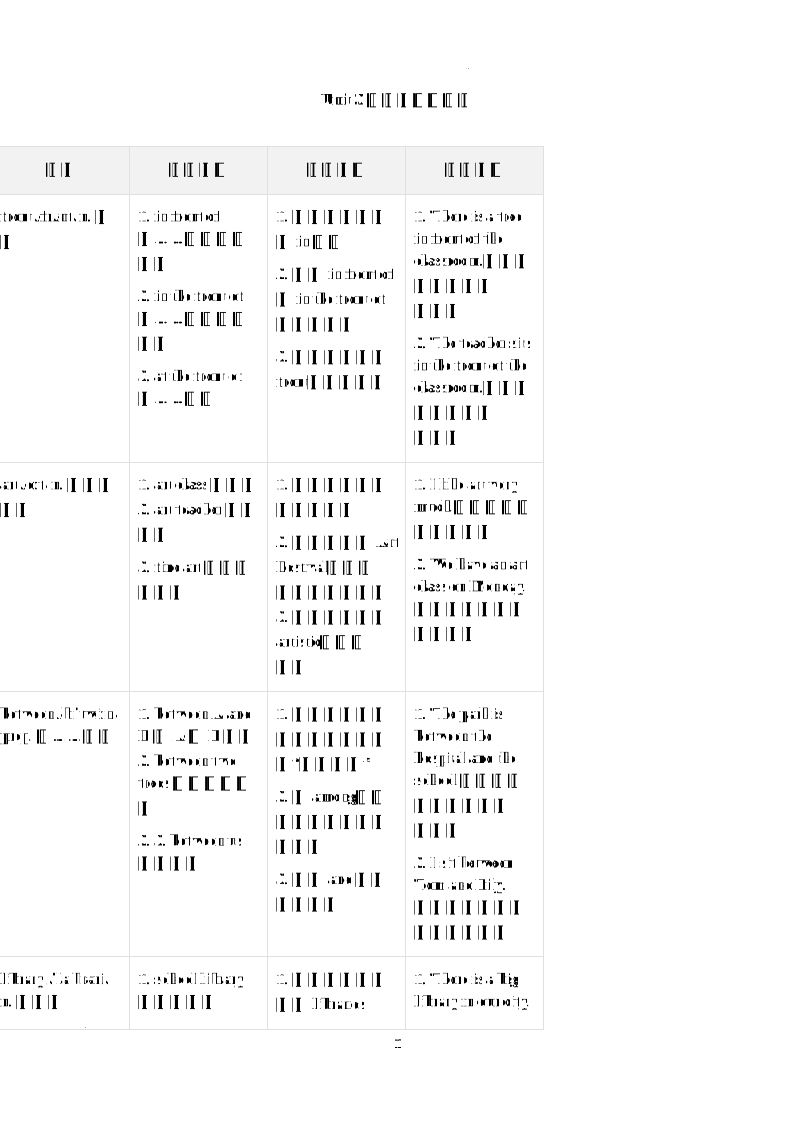
Unit 3 单词系统讲解表
单词
核心搭配
重点考点
经典例句
front /frʌnt/ n. 前面
1. in front of 在……前面(外部)
2. in the front of 在……前部(内部)
3. at the front of 在……前端
1. 名词,常与介词in搭配
2. 区分in front of和in the front of的方位差异
3. 形容词形式为front(前面的)
1. There is a tree in front of the classroom.(教室前面有一棵树。)
2. The teacher sits in the front of the classroom.(老师坐在教室前部。)
art /ɑːt/ n. 艺术;美术
1. art class 美术课 2. art teacher 美术老师
3. fine art 美术;艺术品
1. 不可数名词,无复数形式
2. 专有名词如Art Festival(艺术节)首字母大写 3. 形容词形式为artistic(艺术的)
1. I like art very much.(我非常喜欢美术。)
2. We have an art class on Monday.(我们周一有美术课。)
between /bɪˈtwiːn/ prep. 在……之间
1. between A and B 在A和B之间 2. between two trees 在两棵树之间
2. 3. between us 我们之间
1. 介词,后接复数名词或代词,表“两者之间”
2. 与among(三者及以上之间)的区别
3. 常与and连用构成搭配
1. The park is between the hospital and the school.(公园在医院和学校之间。)
2. I sit between Tom and Lily.(我坐在汤姆和莉莉之间。)
library /ˈlaɪbrəri/ n. 图书馆
1. school library 学校图书馆
2. go to the library 去图书馆
3. in the library 在图书馆里
1. 可数名词,复数为libraries
2. 固定搭配in the library(在图书馆)
3. 相关动词:borrow books from the library(从图书馆借书)
1. There is a big library in our city.(我们城市里有一个大图书馆。)
2. I often read books in the library.(我经常在图书馆看书。)
blackboard /ˈblækbɔːd/ n. 黑板
1. on the blackboard 在黑板上
2. clean the blackboard 擦黑板
3. write on the blackboard 在黑板上写
1. 可数名词,复数为blackboards 2. 合成词,由black和board构成
3. 固定搭配write on the blackboard(在黑板上书写)
1. The teacher writes a word on the blackboard.(老师在黑板上写了一个单词。)
2. Please clean the blackboard after class.(课后请擦黑板。)
up /ʌp/ adv. 向上
1. stand up 站起来 2. go up 上去;上升
3. look up 查阅;向上看
1. 副词,表方向,反义词为down(向下)
2. 可与动词搭配构成短语
3. 作介词时表“沿着……向上”
1. Stand up, please.(请站起来。)
2. He looks up at the sky.(他抬头看天空。)
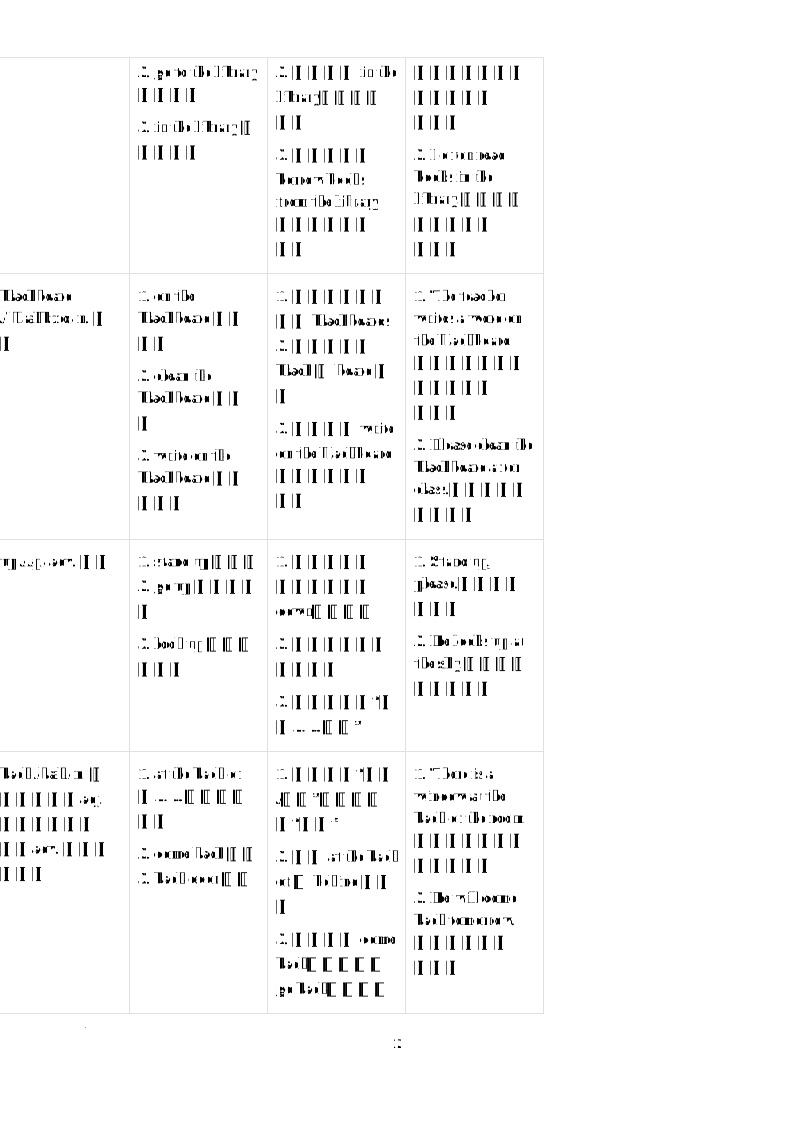
back /bæk/ n. 后面;背部;adj. 后面的;背后的;adv. 回来;回原处
1. at the back of 在……后面(内部)
2. come back 回来 3. back door 后门
1. 作名词表“背部/后面”,作副词表“返回”
2. 区分at the back of和behind的用法
3. 固定搭配come back(回来)、go back(回去)
1. There is a window at the back of the room.(房间后面有一扇窗户。)
2. He will come back tomorrow.(他明天会回来。)
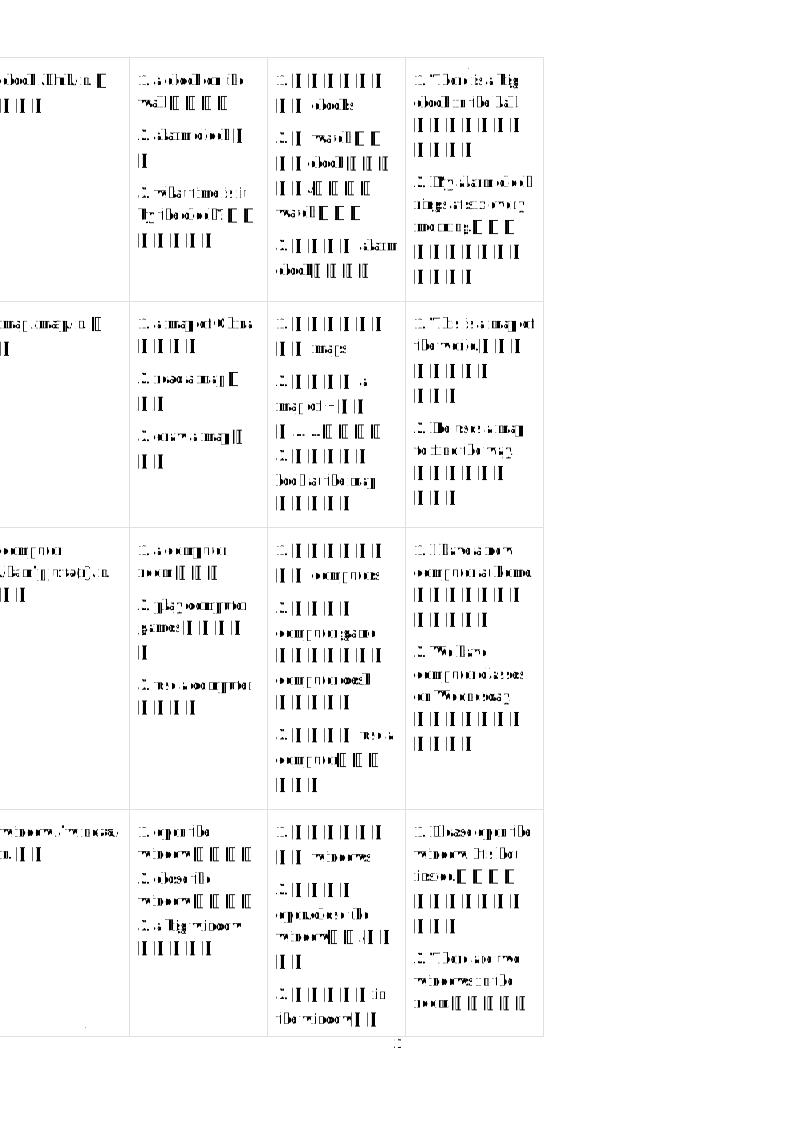
clock /klɒk/ n. 时钟;钟
1. a clock on the wall 墙上的钟
2. alarm clock 闹钟
3. what time is it by the clock? 钟上现在几点?
1. 可数名词,复数为clocks
2. 与watch的区别:clock指钟表(挂/摆式),watch指手表
3. 固定搭配alarm clock(闹钟)
1. There is a big clock in the hall.(大厅里有一个大钟。)
2. My alarm clock rings at six every morning.(我的闹钟每天早上六点响。)
map /mæp/ n. 地图
1. a map of China 中国地图
2. read a map 看地图
3. draw a map 画地图
1. 可数名词,复数为maps
2. 固定搭配a map of + 地点(……的地图) 3. 相关动词:look at the map(看地图)
1. This is a map of the world.(这是一张世界地图。)
2. He uses a map to find the way.(他用地图找路。)
computer /kəmˈpjuːtə(r)/ n. 电脑
1. a computer room 电脑室
2. play computer games 玩电脑游戏
3. use a computer 使用电脑
1. 可数名词,复数为computers
2. 合成词:computer game(电脑游戏)、computer desk(电脑桌)
3. 常用搭配use a computer(使用电脑)
1. I have a new computer at home.(我家里有一台新电脑。)
2. We have computer classes on Wednesday.(我们周三有电脑课。)
window /ˈwɪndəʊ/ n. 窗户
1. open the window 打开窗户 2. close the window 关上窗户 3. a big window 一扇大窗户
1. 可数名词,复数为windows
2. 固定搭配open/close the window(开/关窗户)
3. 介词搭配:in the window(在窗户里)、by the window(在窗边)
1. Please open the window. It's hot inside.(请打开窗户,里面太热了。)
2. There are two windows in the room.(房间里有两扇窗户。)
science /ˈsaɪəns/ n. 科学
1. science class 科学课
2. science teacher 科学老师
3. natural science 自然科学
1. 不可数名词,无复数形式
2. 专有名词如Science Museum(科学博物馆)首字母大写
3. 形容词形式为scientific(科学的)
1. I am interested in science.(我对科学感兴趣。)2. We have a science lesson this afternoon.(我们今天下午有一节科学课。)
picture /ˈpɪktʃə(r)/ n. 照片;图画
1. draw a picture 画画
2. take a picture 拍照
3. a picture of my family 我的全家福
1. 可数名词,复数为pictures
2. 与photo的区别:picture可指图画/照片,photo仅指照片
3. 固定搭配take a picture(拍照)
1. She draws a beautiful picture.(她画了一幅漂亮的画。)
2. Can you take a picture for me?(你能帮我拍张照吗?)
famous /ˈfeɪməs/ adj. 著名的
1. be famous for 因……而出名
2. be famous as 作为……而出名
3. a famous actor 著名的演员
1. 形容词,修饰名词作定语或表语
2. 固定搭配be famous for/as的用法区别
3. 无比较级和最高级(多音节词加more/most)
1. Beijing is famous for the Great Wall.(北京因长城而出名。)
2. He is famous as a singer.(他作为一名歌手而出名。)
table /ˈteɪbl/ n. 桌子
1. a dining table 餐桌
2. on the table 在桌子上
3. table tennis 乒乓球
1. 可数名词,复数为tables
2. 与desk的区别:table指餐桌/茶几,desk指书桌
3. 合成词:table tennis(乒乓球)、table lamp(台灯)
1. There is a book on the table.(桌子上有一本书。)
2. We have dinner at the dining table.(我们在餐桌旁吃晚饭。)
today /təˈdeɪ/ adv. 在今天;n. 今天
1. today's news 今天的新闻
2. at school today 今天在学校
3. What day is it today? 今天星期几?
1. 作副词时修饰动词,作名词时可作主语/宾语
2. 名词所有格为today's
3. 询问日期/星期的固定句型
1. I have a test today.(我今天有一场考试。)
2. Today's weather is very nice.(今天的天气很好。)
email /ˈiːmeɪl/ n. 电子邮件;v.(给某人)发电子邮件
1. send an email 发电子邮件
2. write an email 写电子邮件
3. email sb. 给某人发邮件
1. 作名词时可数(复数emails),作动词时为及物动词
2. 口语中可简称为e-mail
3. 固定搭配send an email to sb.(给某人发邮件)
1. I send an email to my pen friend every week.(我每周给笔友发一封电子邮件。)2. She emails me every day.(她每天给我发邮件。)
answer /ˈɑːnsə(r)/ v. 回答;答复;n. 答案
1. answer a question 回答问题
2. the answer to the question 问题的答案
3. answer the phone 接电话
1. 作动词时为及物动词,作名词时为可数名词
2. “问题的答案”用the answer to the question,不用of
3. 与reply的区别:answer侧重口头回答,reply侧重书面回复
1. Can you answer this question?(你能回答这个问题吗?)
2. I don't know the answer to the math problem.(我不知道这道数学题的答案。)
question /ˈkwestʃən/ n. 问题
1. ask a question 问问题
2. answer a question 回答问题
3. a difficult question 难题
1. 可数名词,复数为questions
2. 与problem的区别:question指需回答的问题,problem指需解决的难题
3. 固定搭配ask/answer a question(提/回答问题)
1. He asks a lot of questions in class.(他在课堂上问很多问题。)
2. This is a very important question.(这是一个很重要的问题。)
exercise /ˈeksəsaɪz/ n. & v. 运动;锻炼;练习
1. do exercise 做运动;锻炼
2. math exercises 数学练习
3. exercise every day 每天锻炼
1. 作“运动/锻炼”时为不可数名词,作“练习/习题”时为可数名词 2. 作动词时表“锻炼”,不及物动词 3. 固定搭配do exercise(锻炼)、do morning exercises(做早操)
1. We should do more exercise to keep healthy.(我们应该多锻炼保持健康。)
2. I finish my English exercises every evening.(我每天晚上完成英语练习。)
way /weɪ/ n. 方式;道路
1. on the way 在路上
2. in this way 用这种方式
3. the way to school 去学校的路
1. 可数名词,复数为ways
2. 固定搭配on the way to(在去……的路上),home前不加to
3. 表“方式”时可与in搭配
1. I meet an old friend on the way to school.(我在去学校的路上遇到了一位老朋友。)
2. You can solve the problem in this way.(你可以用这种方式解决问题。)
best /best/ adj. 最好的;adv. 最
1. the best way 最好的方式
2. like…best 最喜欢……
3. do one's best 尽某人最大努力
1. good/well的最高级形式
2. 作形容词时前加the,作副词时可直接用
3. 固定搭配do one's best to do sth.(尽最大努力做某事)
1. This is the best book I have ever read.(这是我读过的最好的书。)
2. I like English best of all the subjects.(在所有科目中我最喜欢英语。)
because /bɪˈkɒz/ conj. 因为
1. because + 句子 因为……
2. because of + 名词/代词 因为…… 3. Why…? Because… 为什么……?因为……
1. 连词,后接原因状语从句
2. 与because of的区别:because接句子,because of接名词/代词
3. 不能与so同时使用
1. I stay at home because it's raining.(因为下雨,我待在家里。)
2. He is late because of the heavy traffic.(因为交通拥堵,他迟到了。)
why /waɪ/ adv. 为什么
1. Why…? 为什么……?
2. Why not do sth.? 为什么不做某事?(提建议)
3. That's why… 那就是……的原因
1. 特殊疑问词,对原因提问,答语用because
2. Why not do sth.? 是提建议的常用句型
3. 可引导宾语从句,用陈述语序
1. —Why do you like cats? —Because they are cute.(—你为什么喜欢猫?—因为它们很可爱。)
2. Why not go to the park with us?(为什么不和我们一起去公园呢?)
dear /dɪə(r)/ adj. 亲爱的
1. Dear Sir/Madam 尊敬的先生/女士(书信开头)
2. my dear friend 我亲爱的朋友
3. Oh dear! 哦,天啊!(感叹)
1. 形容词,修饰名词作定语,可用于书信开头
2. 作感叹词时表惊讶、惋惜
3. 无比较级和最高级
1. Dear Tom, how are you?(亲爱的汤姆,你好吗?)
2. Oh dear! I forget my homework.(哦,天啊!我忘了作业。)
tell /tel/ v. 告诉
1. tell sb. sth. 告诉某人某事
2. tell sb. to do sth. 告诉某人做某事 3. tell a story 讲故事
1. 动词,过去式/过去分词为told 2. 及物动词,后接双宾语或不定式作宾补
3. say/speak/talk的区别:tell侧重“告知/讲述”
1. She tells me a secret.(她告诉我一个秘密。)
2. My mother tells me to go to bed early.(妈妈告诉我早点睡觉。)
interesting /ˈɪntrəstɪŋ/ adj. 有趣的
1. an interesting book 一本有趣的书
2. very interesting 非常有趣
3. It's interesting to do sth. 做某事很有趣
1. 形容词,修饰事物,作定语或表语
2. 反义词为boring(无聊的),同根词为interested(感兴趣的,修饰人) 3. 固定句型It's interesting to do sth.(做某事有趣)
1. This is an interesting film.(这是一部有趣的电影。)
2. It's interesting to play games with friends.(和朋友们玩游戏很有趣。)
(
1
)
学科网(北京)股份有限公司
$
资源预览图
1
2
3
相关资源
由于学科网是一个信息分享及获取的平台,不确保部分用户上传资料的 来源及知识产权归属。如您发现相关资料侵犯您的合法权益,请联系学科网,我们核实后将及时进行处理。