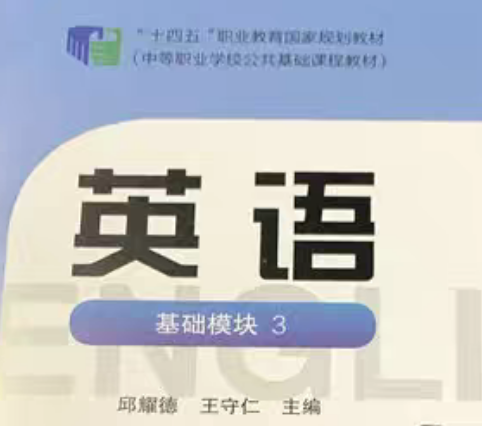
Unit 9 Preparing for the First Job-非谓语动词(作定语和补足语)(讲+练)-《英语 基础模块3》(语文版2022版)
2025-12-22
|
26页
|
565人阅读
|
6人下载
精品
内容正文:
非谓语动词
(作定语和宾补)
《英语 基础模块3》(语文版2022版)
Unit 9 Preparing for the First Job语法
导
入
目
录
01. 非谓语与谓语的区别
02. 非谓语作定语
03. 非谓语作宾补
04. 巩固练习
非谓语与非谓语的区别
1. 一个简单句中只有一个谓语动词
例句:He runs in the park every morning.
谓语vs非谓语
2. 当有多个动词出现时,其存在形式有:
并列句:He runs every morning, and he often sings.
复合句句:He runs every morning because he wants to keep fit.
非谓语:He plans to run every morning.
非谓语与非谓语的区别
谓语vs非谓语
谓语动词:是句子的主动词,随主语的人称、数,以及句子的时态、语态变化。
非谓语动词:形式固定,不随主语的人称、数变化,时态、语态变化也有限(仅体现与逻辑主语的关系)。
谓语动词:对主语动作状态或特征的陈述或说明的动词。
非谓语动词是指在句子中不作谓语的动词形式
games
下面哪些是非谓语动词?
smoking
going
taken
take
rises
rises
to be done
falling
went
was
likes
to go
非谓语的形式
非谓语动词
不定式(to do)
动名词(doing)
现在分词(doing)
过去分词 (done)
分词
例句:I hope to go to a good college. (不定式作宾语)
例句:Bajie enjoys eating apples.(动名词作宾语)
什么是定语
用来修饰、限定名词或代词的单词、短语和句子;汉语中常翻译为“……的”
定语的位置
前置定语
This is a flower basket.
后置定语
This is a basket full of flowers.
不定式作定语
主动形式(to do)
例句:The friend to visit you tomorrow is my classmate.
被动形式(to be done)
例句:There's a document to be signed by the manager.
基本形式
不定式作定语放在名词或代词的后面
不定式作定语
不定式作定语的常见用法:
1. 表示将要发生的动作
例句:Students are invited to a party to be held in next Sunday.
例句:I have three letters to post this afternoon.
不定式作定语
不定式作定语的常见用法:
2. 被修饰名词前有特定限定词或不定代词时
限定词:序数词、最高级、the very/only、any/no/all等;
不定代词:如nothing等
例句:He is the best person to solve this problem.
例句:There is nothing to worry about.
不定式作定语
不定式作定语的常见用法:
3. 被修饰名词为抽象名词时
抽象名词:ability/decision/plan/promise/chance/right/opportunity/courage等
例句:His decision to quit the job surprised everyone.
例句:Everyone has the right to express their opinions.
不定式作定语
不定式作定语的常见用法:
4. 被修饰名词为time, place, reason, way等时,可不带介词
例句:We finally found a quiet place to study for the exam.
例句:He taught me a simple way to remember English words.
动名词作定语
动名词作定语的常见用法:
动名词作定语说明被修饰词的用途和性能,放在名词的前面。
例句:I’d like to buy a house with a swimming pool.
the drinking water
饮用水
the waiting room
休息室
a dancing teacher
一位舞蹈老师
分词作定语
例句: The barking dog kept us awake all night.
例句:The falling leaves are just like dancing in the air.
语态上:表主动
时态上:表正在进行
现在分词作定语
现在分词作定语说明被修饰词的性质或状态。
分词作定语
过去分词作定语
1.表“已完成、被动”
例句: The house built last year is a cinema.
例句:The broken vase lay on the floor.
语态上:表被动
时态上:表示已经完成
分词作定语
分词作定语的位置
单词放在名词的前面;短语放在被修饰的名词后面。
例句:The girl standing by the door is Lily.
例句:The project being evaluated is confidential.
例句:The fallen leaves cover the ground in autumn.
例句:The sleeping baby looks so peaceful.
什么是宾补
宾语补足语(宾补)
补充说明宾语的动作、状态或身份,使宾语意义更完整
We keep the room clean.
clean是形容词作宾补,说明room的状态
不定式(to do)作宾补
want
encourage
warn
适用动词
ask
allow
tell
advise
order
expect
基本用法(带 to)
结构:主语 + 动词 + 宾语 + (not) to do(补语)
My teacher asked me to finish the homework on time.
His parents told him not to play computer games too late.
不定式(to do)作宾补
make
let
适用动词
have
see
watch
hear
notice
feel
特殊用法(省略 to)
结构:主语 + 使役 / 感官动词 + 宾语 + do(补语,省略 to)
The boss made the workers work 10 hours a day.
They let him go. → He was let to go.
关键提醒:被动语态中,省略的 to 必须还原
现在分词(doing)作宾补
see
watch
适用动词
hear
notice
feel
keep
leave
have
表宾语“主动进行”的动作,补语与宾语是主谓关系(宾语是动作的发出者)
结构:主语 + 动词 + 宾语 + doing(补语)
I saw them playing basketball on the playground.
She caught her son lying to her.
过去分词(done)作宾补
have
see
适用动词
get
hear
make
want
find
order
表宾语“被动承受”的动作或“完成”的状态,补语与宾语是动宾关系(宾语是动作的承受者)
结构:主语 + 动词 + 宾语 + done(补语)
We had our car repaired yesterday.
She found her wallet stolen when she got home.
巩固练习
一、单选题
1. 1. My mother told me _______ too much TV.
A.not watch B.not to watch C.watch not D.to not watch
2.Our teacher advises us ________ ourselves in the sunshine.
A.enjoy B.to enjoy C.enjoyed D.enjoying
3. We often hear the girl ________ in the next room.
A.sing B.to sing C.singing D.sings
4. When I opened my eyes, I saw Melissa ________ at the end of my bed.
A.stand B.standing C.to stand D.stood
巩固练习
二、用所给词的适当形式填空
1.The __________ (break) cup was thrown into the trash can.
2. Do you know the girl ___________ (stand) at the school gate?
3. The __________ (burn) building was surrounded by firefighters.
4. She wore a dress __________ (make) of silk to the party.
5.She has a lot of homework _________ (finish) before tomorrow.
broken
standing
burning
made
to finish
Summary
01. 非谓语与谓语的区别
02. 非谓语作定语
03. 非谓语作宾补
Thanks
$
资源预览图

1

2

3

4

5

6
由于学科网是一个信息分享及获取的平台,不确保部分用户上传资料的 来源及知识产权归属。如您发现相关资料侵犯您的合法权益,请联系学科网,我们核实后将及时进行处理。