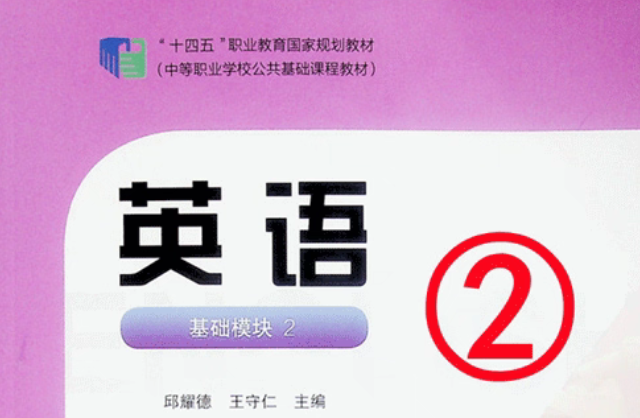
Unit 2 Growing Up Healthy-情态动词(讲+练)-《英语 基础模块2》(语文版2022版)
2025-12-12
|
32页
|
437人阅读
|
4人下载
精品
内容正文:
情态动词
《英语 基础模块2》(语文版2022版)
Unit 2 Growing Up Healthy语法
导
入
目
录
01. 情态动词的定义
02. 情态动词的特征
04. 巩固练习
03. 常见的情态动词
I
什么是情态动词
定义:情态动词是表示说话人情绪、态度或语气的动词,不能单独作谓语,需和其他动词原形一起构成谓语。
1.作用:表达推测、能力、许可、义务、意愿等语义
eg. You must finish this report by Friday. (必须,表命令、义务的语气)
eg. She might be late for the meeting.(可能,表推测、不确定的语气)
eg. Can I borrow your book?(可以,表请求、许可的语气)
I
情态动词的特征
特征 1:本身有一定词义,但词义不完全,不能单独作谓语,后接动词原形
eg. He can sing very well.(“can” 表能力,后接原形 “sing”,不可单独作谓语)
I
情态动词的特征
特征 2:无人称和数的变化(个别情态动词除外,如 have to)
eg. She must go now.
eg.They must go now.
“must” 无单复数变化
I
情态动词的特征
特征 3:否定式一般是在情态动词后加 not,疑问式是将情态动词提前
eg. You needn’t worry about it.(“needn’t” 表否定)
eg. May I use your computer?(“May” 提前构成疑问句)
I
can/could的用法
1. 表示能力,could表示过去的能力,意为“能,会”,可用be able to代替
eg. I can speak English.
eg. I am able to speak English.
eg. I could swim when I was six.
eg. I was able to swim when I was six.
表示过去的能力
I
can/could的用法
2. 表示请求/许可,常用于一般疑问句,比较委婉客气地提出问题或陈述看法,意为“可以”。
eg. Could/Can I ask you a question?
2. 用could提问,用can/can’t回答
1. 此时的could 不是过去式,只是语气更委婉
Yes, you can. (No, I’m afraid you can’t.。)
I
can/could的用法
3. 表示推测,意为“可能”,用于否定句和疑问句中。表否定的推测“不可能” 用 can’t。
eg. Can it be true?这可能是真的吗?(可能)
eg. He can’t be a thief! 他不可能是小偷!(不可能)
eg. He can’t/couldn’t be over 70. 他不可能70多了。
can’t表推测是100%不可能
I
may/might的用法
1. 表示许可,might 语气更委婉(用于疑问句)。
eg. May I open the window?
eg. Might I borrow your umbrella?
eg. Yes, please. /No, you can’t/mustn’t.
在回答由may引导的一般疑问句时,多避免重复用may。肯定回答常用 Yes, please.或Certainly.等;
否定回答常用含有can’t或mustn’t的句子。
I
may/might的用法
2. 表示推测,意为 “可能”,might 可能性比 may 更小(用于肯定句)。
eg. It may rain this afternoon.
eg. He might be at home now.
eg. Tom may not be at home.
一般在肯定句中,译为“可能”,
在否定句中,译为“可能不”。
I
may/might的用法
3. 表示表示祝愿,多用于祈使句。
通常用may +主语+动词。
eg. May you have a good time. 祝你玩得开心!
eg. May you be successful in the interview! 祝你面试顺利!
I
must/have to的用法
1. must 表示主观上的 “必须、应当”,无人称和时态变化。
eg. We must finish the project today.
eg. You must obey the school rules.
注意:其否定形式mustn’t表示“禁止;不许;一定不要”
eg. You mustn’t smoke. It’s bad for your health.
I
must/have to的用法
2. 用must提问,肯定回答用must,否定回答用needn’t/don’t have to。
eg. Must I clean the classroom now?
—Yes, you must.
—No, you don’t have to. /No, you needn’t.
must的一般疑问句
肯定回答为:Yes, ...must.;
否定回答为:No, ...needn’t./No, ...don’t have to.
I
must/have to的用法
3. 表示推测,暗含很大可能性,意为“想必,准是,一定”等,只用于肯定句。
eg. He must be ill. He looks so pale. 他一定是病了。他看起来很苍白。
eg. She must be out,isn’t she? 她一定出去了,是吗?
I
must/have to的用法
4. 表示“偏偏,非要”。
eg. Must you ask me such a question? 你非得问我这样的问题吗?
I
must/have to的区别
must指说话人的主观看法
eg. I must finish my essay today.(我今天必须完成论文。—— 主观上认为自己有必要完成)
eg. She has to work overtime because of the project.
(因为这个项目,她不得不加班。—— 客观工作要求,第三人称单数形式“has to”)
have to客观需要,表示“不得不”,它有人称、时态和数的变化,否定句和疑问句需要借助于助词。
eg. Do you have to leave so early?(你非得这么早走吗?—— 疑问句借助助动词 “do”)
I
need & dare的用法
need既可以作情态动词,也可以作实义动词
eg. You needn’t be so worried.
eg. Need I do it at once? (肯定回答用 must,否定回答用 needn’t)
1.作情态动词:无三单变化,后接动词原形;变否定加 not,变疑问提前
Yes, you must./ No, you needn’t.
I
need & dare的用法
need既可以作情态动词,也可以作实义动词
need 用法:need to do sth.;need doing = need to be done
eg. I don’t need to have a rest.
2.作实义动词:有三单 / 时态变化;变否定加 don’t/doesn’t/didn’t
eg. This car needs repairing. = This car needs to be repaired.
I
need & dare的用法
dare既可以作情态动词,也可以作实义动词,意为“敢”。
eg. He daren’t speak in public.
eg. Dare you ask him for help?
1.作情态动词:主要用于否定句、疑问句和条件句,后接动词原形,且没有人称和时态变化
eg. I would be surprised if he dare refuse.
I
should/ought to的用法
① 表示劝告、建议和命令,两者可通用;疑问句常用 should
eg. Should I open the window?
eg. You should/ought to go to class right away.
I
should/ought to的用法
② 表示 “应该”,ought to 语气更重(表义务 / 责任)
eg. You ought to take care of the baby.
eg. I should help her because she is in trouble.
I
should/ought to的用法
③表示推测(客观推测,语气比 must 弱),意为“应该会,可能会”
eg. It should be fine tomorrow.
eg. He ought to/should be home by now.
I
shall的用法
① shall用于第一、三人称疑问句中,表示征求对方的意见。
eg. If you follow my advice, yon shall have the book. (许诺)
eg. Shall we go to see a film? 我们去看电影好吗?
②shall用于第二、三人称的陈述句中,表示说话人的命令、许诺、威胁、警告、规定等。
eg. You shall do as I say. (命令)
I
will/would的用法
1. 表示意愿, 可用于各种人称的陈述句。would是will的过去式。
eg. He will never do that again.
eg. He said that he would do anything for me.
I
will/would的用法
2. 表示请求、建议, 用于疑问句,此时 would 比 will 的语气更委婉。
eg. Will you pass me the paper?
eg. Would you like a cup of tea?
I
had better的用法
“had better” 表示 “最好做某事”,用于提出建议,语气较为委婉且带有一定的劝说意味。
否定形式:had better not + 动词原形
eg. You had better start now, or you’ll be late.
肯定形式:had better + 动词原形
eg. She’d better not stay up too late. It’s bad for her health.
注意
“had better” 没有人称、时态和数的变化,其缩略形式为 “’d better”,主语无论是第几人称、单数还是复数,结构都保持一致。
巩固练习
一、用情态动词must, mustn’t, may, can填空
1.Anyone _____________ pick flowers in the garden.
2. _____________ you see anything on the black paper?
3.He _____________ eat all his vegetables to grow tall and strong.
4.Most children _____________ jump rope very well.
5.You can go to the movies with Peter, but you _____________ be late home.
6. _____________ I use your bike?
7. _____________ I try on the blue shirt?
8.We can play the video games, but we _____________ clean our bedroom first.
mustn’t
Can
must
can
mustn’t
May
May
must
巩固练习
二、选择题
1.—_____ you please tell me the way to the station?
—Sure, go straight and turn left.
A. Must B. Could C. May D. Need
2.He _____ be tired. He has been working for 8 hours without a rest.
A. can B. may C. must D. should
3. You _____ take an umbrella. The radio says it will rain this afternoon.
A. should B. can C. may D. could
4.He _____ speak English when he lived in London, but now he forgets most of it.
A. can B. could C. may D. might
5. It _____ be a dog. It looks like a cat.
A. can’t B. mustn’t C. may not D. needn’t
B
C
A
A
B
Summary
01. 情态动词的定义
02. 情态动词的特征
03. 常见的情态动词
Thanks
Lavf58.45.100
$
资源预览图

1

2

3

4

5

6
由于学科网是一个信息分享及获取的平台,不确保部分用户上传资料的 来源及知识产权归属。如您发现相关资料侵犯您的合法权益,请联系学科网,我们核实后将及时进行处理。