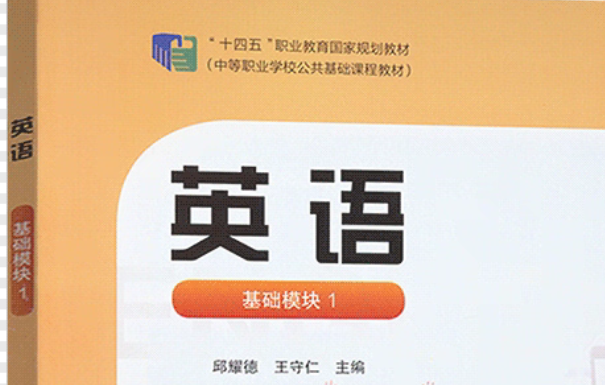
Unit 8 Treasured Memories of Travelling-一般将来时(讲+练)-《英语 基础模块1》(语文版2022版)
2025-12-04
|
22页
|
456人阅读
|
5人下载
精品
内容正文:
一般将来时
《英语 基础模块1》(语文版2022版)
Unit 8 Treasured Memories of Travelling语法
导
入
目
录
01. 一般将来时的定义
02. 一般将来时 时间标志
03. 一般将来时 句式结构
04. will vs be going to
05. 一般将来时 特殊用法
06. 一般将来时 巩固练习
一般将来时的定义
例句:Bajie will go to school next week.
例句:Bajie will/is going to have a picnic tomorrow .
2. 表示打算、计划或准备做某事。
1.表示将要发生的动作或存在的状态。
时间标志词
in 2050 在2050年
in the future 在未来
in two days/weeks/years
④介词+将来时时间
this weekend
this evening
this Friday
③this系列
next day/week/month/year/time
②next系列
tomorrow明天
tomorrow morning 明天早上
the day after tomorrow 后天
① tomorrow系列
时间标志词
下面哪些是表示一般将来时的时间提示词?
soon
tomorrow
next year
in 1990
in 2024
the day before yesterday
in the future
tomorrow evening
last week
every day
yesterday
next day
句式结构(will)
主语
will
动词原形
其他
I
will
do
my homework tomorrow.
Bajie
will
buy
some food next week.
They
will
go
camping this Friday.
注意:will无人称的变化
肯定句
句式结构(will)
will not
否定句
主语+will not / won’t +动词原形(+其他)
例句: Bajie won’t go to school tomorrow. 八戒明天不上学。
句式结构(will)
一般疑问句
Will +人称+动词原形+(+其他)?
Yes, 人称+will /No, 人称+won’t
例句:Will Bajie go to school tomorrow?
Yes, he will.
No, he won’t.
句式结构(will)
特殊疑问句
特殊疑问词+will+人称+动词原形+(+其他)?
例句:What will Bajie do tomorrow?
句式结构(shall)
肯定句
I/We + shall +动词原形 + 其他。
I shall study hard.
否定句
I/ We shall not+动词原形 + 其他。
I shall not study hard.
一般疑问
Shall I/ we +动词原形+ 其他 ?
Shall we go to school tomorrow?
特殊疑问句
疑问词+ Shall I/ we +动词原形+ 其他。
What shall we do?
肯定:Yes, I/ we shall. 否定:No, I/ we shall not .
Yes, we shall. /No, we shall not .
be going to的用法
1.主语的意图,即将做某事。
例句:Bajie is going to eat an apple.
2.计划、安排要发生的事。
例句:The play is going to be produced next month.
3.有迹象要发生的事。
例句:Look at the dark clouds, there is going to be a storm.
句式结构(be going to)
主语+be going to +动原+其他
主语+be not going to +动原+其他
Be+主语+ going to +动原+其他
疑问词+Be+主语+ going to +动原+其他
肯定句
一般疑问句
否定句
特殊疑问句
Bajie is not going to sleep this weekend.
Bajie is going to sleep this weekend.
What is Bajie going to do this weekend?
Is Bajie going to sleep this weekend?
将下列句子改成一般疑问句
Are you going to buy any pens this afternoon ?
Is it going to snow tomorrow evening?
Is he going to go camping next Friday?
He is going to go camping next Friday.
We are going to buy some pens this afternoon.
It is going to snow tomorrow evening.
be going to和will 的区别
a. 表示事先经过考虑、安排好打算、计划要做的事情。
1.be going to主要用于:
例句:Bajie is going to play the violin. 八戒打算拉小提琴。
b. 表示根据目前某种迹象判断,某事非常有可能发生。
例句:Look! There come the dark clouds. It is going to rain. 瞧!乌云密集,要下雨了。
be going to和will 的区别
a. 表示单纯的未来 “将要”,通用各个人称。
2.will主要用于在以下几个方面:
例句:Bajie will grow up. 八戒将会长大。
b. 表示不以人的意志为转移的自然发展的未来的事。
例句:Bajie will be thirty years old this time next year.明年这个时候八戒将三十岁了。
c.问对方是否愿意做某事或表示客气地邀请或命令。
例句:Will Bajie go to the zoo with me? 八戒和我一起去动物园好吗?
一般将来时 特殊用法
1. be +不定式表将来,按计划或正式安排将发生的事。
例句:Bajie is to talk about the report next Saturday.
2. be about to +不定式,意为 “马上做某事”。
例句:Bajie is about to leave Beijing.
3. 有些表趋向性的动词可用进行时表将来,
如:go,come,arrive,fly(飞往),reach(到达),stay,leave,start,die等。
例句:He’s going to leave for Paris.= He’s leaving for Paris.
there be一般将来时
肯定句
否定句
一般疑问句
例句:There will be a meeting tomorrow.
例句:There is going to be a concert in the park next month.
例句:There will not be a test this Friday.
例句:There is not going to be a class tomorrow afternoon.
例句:Will there be a party at the weekend?
例句:Is there going to be a football match this evening?
注意:be不能换成have
巩固练习
一、用所给词的适当形式填空
1. I _______________________ (buy) some flowers tomorrow.
2. They ________________________(have) a party the day after tomorrow.
3. She _______________(bring) some fruit one hour later.
4. My fafher_______________________ (clean) his dirty car next week.
5.You ______________ (be) a very great man some day.
6.There ___________________ (be) a concert next Sunday.
will /am going to buy
will /are going to have
will bring
will/is going to clean
will/are going to be
will/is going to be
巩固练习
二、选择题
1. We are ________ take a school trip tomorrow.
A.go to B.going to C.goes to D.gone to
2. Ben believes he ________ a college student in 3 years.
A.becomes B.became C.will become D.has become
3. I ________ ice skating this Sunday. Do you want to come?
A.go B.went C.was going D.will go
4. I’ve just got two tickets! I ________ to see the new movie with Tony.
A.go B.went C.will go D.have gone
5. After this exam, you ________ a wonderful holiday next month. Take it easy!
A.have B.have had C.had D.will have
B
C
D
C
D
Summary
01. 一般将来时的定义
02. 一般将来时 时间标志
03. 一般将来时 句式结构
04. will vs be going to
05. 一般将来时 特殊用法
Thanks
Lavf58.45.100
$
资源预览图

1

2

3

4

5

6
由于学科网是一个信息分享及获取的平台,不确保部分用户上传资料的 来源及知识产权归属。如您发现相关资料侵犯您的合法权益,请联系学科网,我们核实后将及时进行处理。