Unit3 Sports and Fitness Listening and Speaking 课件-2025-2026学年高一上学期英语人教版(2019)必修第一册
2025-11-27
|
24页
|
152人阅读
|
0人下载
普通
资源信息
| 学段 | 高中 |
|---|---|
| 学科 | 英语 |
| 教材版本 | 高中英语人教版必修第一册 |
| 年级 | 高一 |
| 章节 | Listening and Speaking |
| 类型 | 课件 |
| 知识点 | - |
| 使用场景 | 同步教学-新授课 |
| 学年 | 2025-2026 |
| 地区(省份) | 全国 |
| 地区(市) | - |
| 地区(区县) | - |
| 文件格式 | PPTX |
| 文件大小 | 13.21 MB |
| 发布时间 | 2025-11-27 |
| 更新时间 | 2025-11-27 |
| 作者 | 豆妈Vicky |
| 品牌系列 | - |
| 审核时间 | 2025-11-27 |
| 下载链接 | https://m.zxxk.com/soft/55150406.html |
| 价格 | 1.00储值(1储值=1元) |
| 来源 | 学科网 |
摘要:
该高中英语课件围绕“体育与健康”主题,涵盖运动词汇(如fitness, soccer)、邀请与提问交际功能、语音(重读、语调)及语法(附加疑问句)等核心知识。课堂导入通过顾拜旦“全民运动”名言、体育赛事海报(足球赛、马拉松等)及引导问题(“你喜欢观看哪些体育赛事?”),激发兴趣并关联生活,知识点从词汇积累到短语搭配(work out, make it),再到对话应用(邀请朋友参加滑雪比赛等),最后结合语音语法专项训练,构建“词汇-功能-应用”的学习支架。
其亮点在于融合语言能力与文化意识,通过真实体育场景对话(如邀请观看滑雪比赛、田径运动会)及语音训练(单词重读规则、反义疑问句语调)提升听说能力,引用顾拜旦名言传递体育精神,培养跨文化理解。任务型活动(制作邀请对话)促进思维品质发展,学生在实践中提升语言应用能力,教师可借助结构化资源高效开展听说读写综合教学。
内容正文:
UNIT 3 SPORTS AND FITNESS
Listening and Speaking
P115
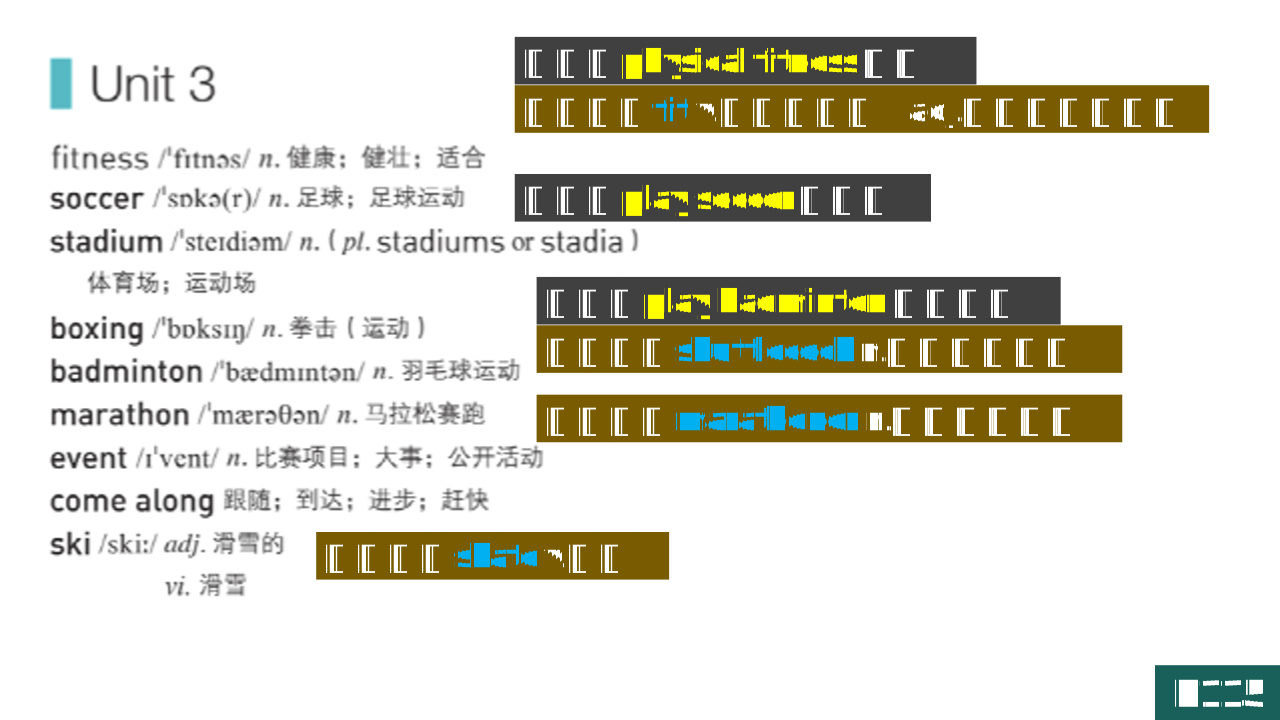
相关词:fit v.适合;适应 adj.健康的;合适的
搭配:physical fitness 体质
搭配:play soccer 踢足球
搭配:play badminton 打羽毛球
相关词:shuttlecock n.羽毛球;毽子
相关词:marathoner n.马拉松运动员
相关词:skate v.滑冰
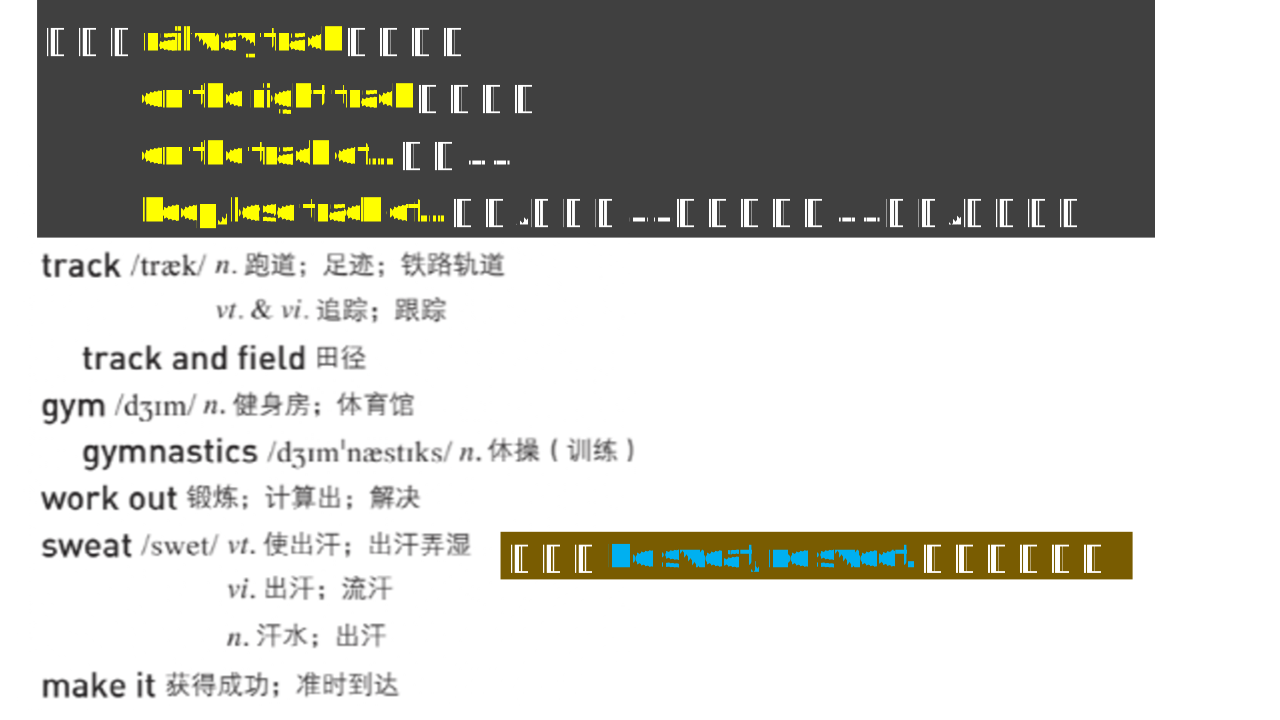
搭配:railway track 铁路轨道
on the right track 做得正确
on the track of... 跟踪……
keep/lose track of... 了解/不了解……的动态;与……保持/失去联系
谚语:No sweat, no sweet. 不劳则无获。
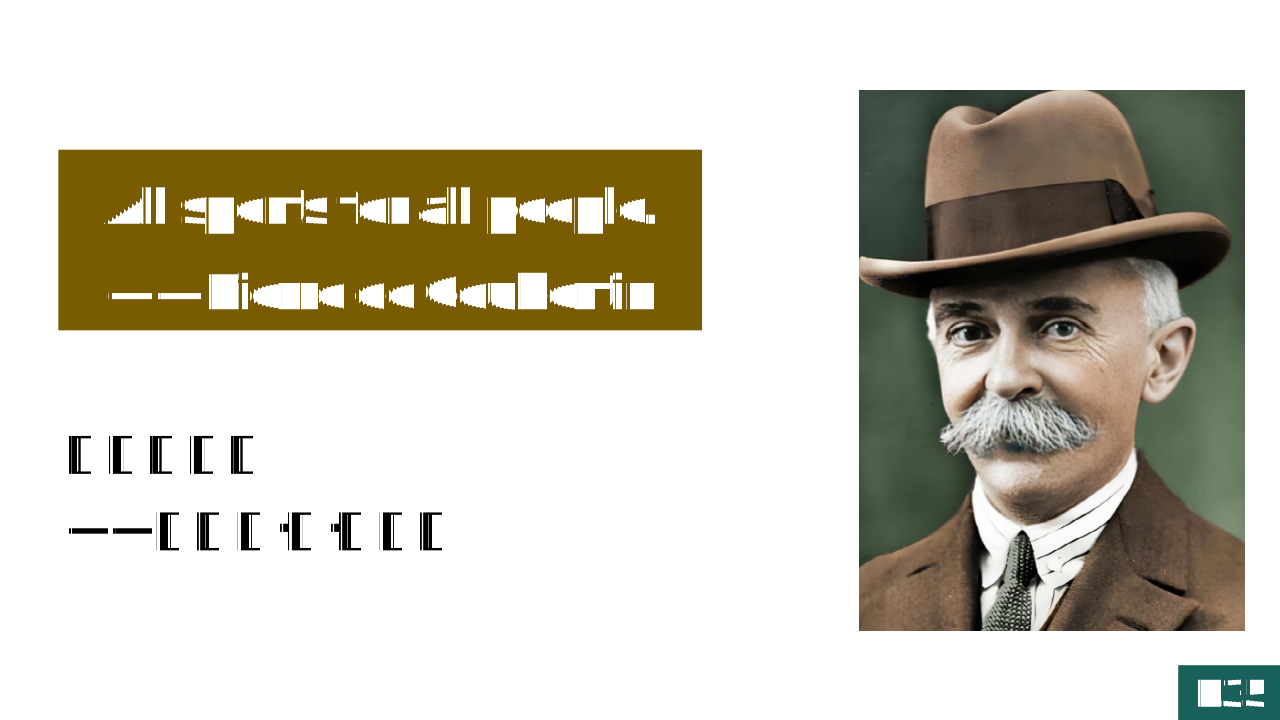
All sports for all people.
——Pierre de Coubertin
全民运动。
——皮埃尔·德·顾拜旦
P35
P36
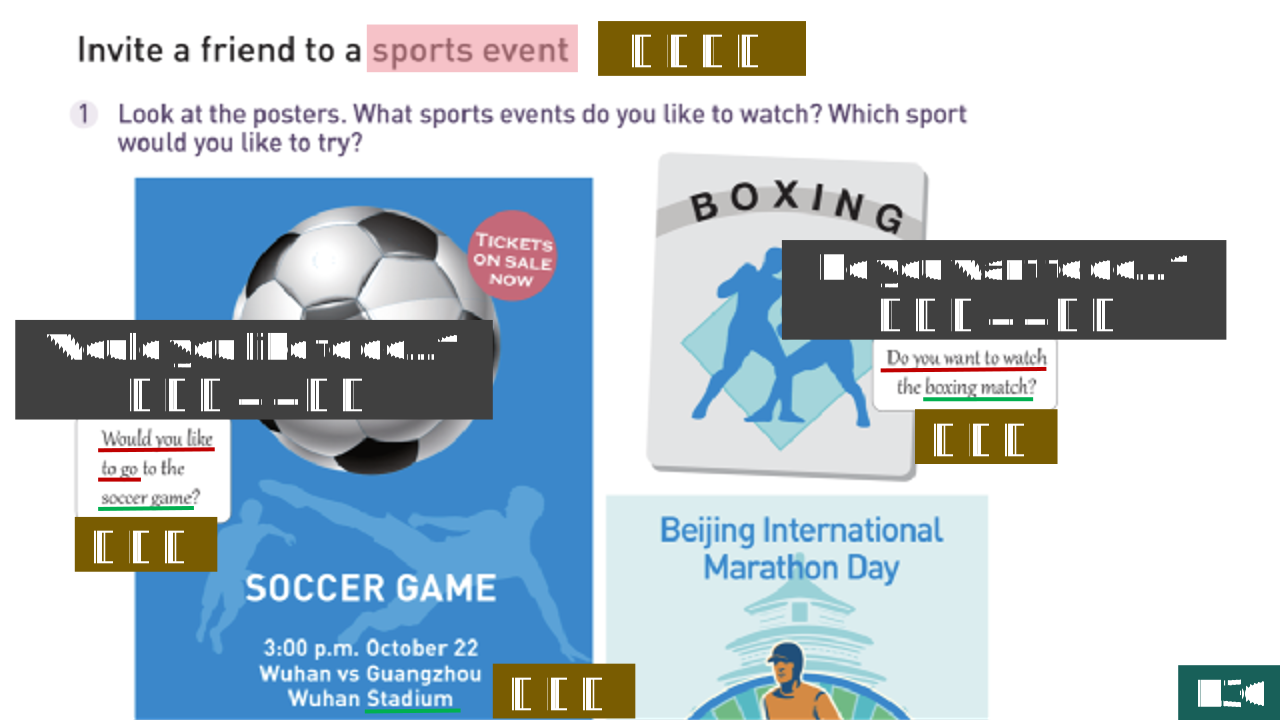
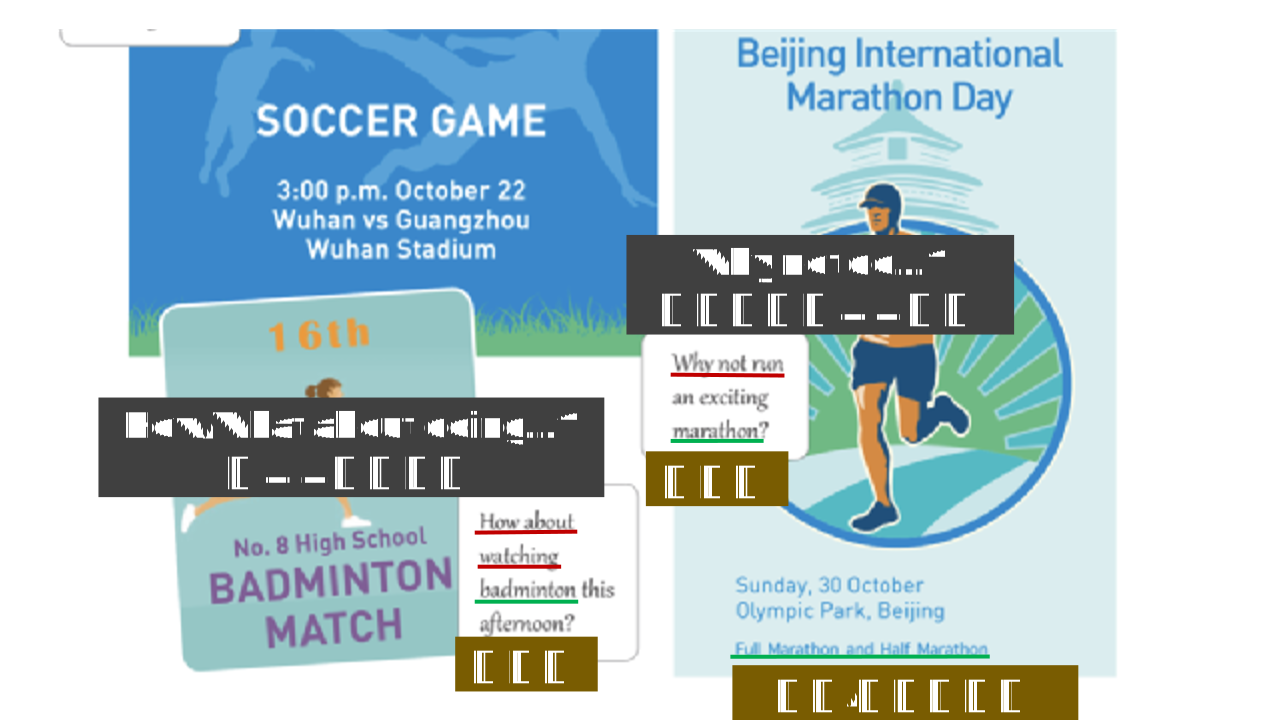
体育赛事
Would you like to do...?
你想做……吗?
足球赛
体育场
Do you want to do...?
你想做……吗?
拳击赛
羽毛球
How/What about doing...?
做……怎么样?
Why not do...?
为什么不做……呢?
马拉松
全程/半程马拉松
电子竞技赛事
指以电子游戏为项目的竞技比赛
P36
S: ...for a long time. ?
A: Really? I`d love to! Where is it?
S: It's in the new stadium. ?
A: ...
Would you like to come along
Why don't you join us
this Saturday afternoon
√
重读
重读(Stress)指在单词、短语或句子中,对某个音节或单词进行强调性发音(音量更大、音调更高、时长更长)。
一、单词重读
1. 单音节词:本身重读,无需标记(如 book /bʊk/、run /rʌn/);
2. 双音节词:
多数名词/形容词重读在第一个音节(如 'teacher /ˈtiːtʃə(r)/、'happy /ˈhæpi/);
多数动词重读在第二个音节(如 be'gin /bɪˈɡɪn/、re'port /rɪˈpɔːt/);
3. 多音节词(3个及以上音节):
基本重读在倒数第三个音节(如 'family /ˈfæməli/、e'conomy /ɪˈkɒnəmi/)
二、句子重读
1. 一般规则:
重读:名词、动词、形容词、副词、数词、疑问词等实词(传递核心信息);
弱读:冠词、介词、连词、代词、助动词等虚词(语法功能词);
例:I 'like the 'red 'book.(重读 like/red/book,弱读 I/the)
2. 逻辑强调重读:
强调某一成分时,可打破一般规则,重读虚词或非核心实词;
例:'He went to Beijing.(强调“他”,而非别人)
He went to 'Beijing.(强调去“北京”,而非其他地方)。
P36
on Saturday afternoon
helps the community
blue paint
throw them at
6,000 dollars.
趣味跑
参加
P37
( )
过去分词短语作后置定语
滑雪比赛
举办青年滑雪比赛
田径运动会
健身课
田径爱好者
锻炼
挥洒汗水收获健康!
Example (Ski Race)
A: Hi Tom! I have some exciting news to share with you. 😊
B: Oh really? What is it?
A: Zhangjiakou, a beautiful northern city in China, will hold the Youth Ski Race in December. I know you’re crazy about skiing. Would you like to go there with me to watch the race?
B: Wow, that sounds amazing! I’ve always wanted to watch a professional youth ski race. When exactly in December is it?
A: I’m not sure about the exact date yet, but I’ll check it out and let you know soon.
B: Great! I’d love to go with you. Thanks for inviting me!
A: You’re welcome! It’ll be a fantastic experience.
Example (Track Meet)
A: Hey Lily! Do you like track-and-field sports? There’s a great Track Meet for fans on 26 October. Would you like to go with me?
B: That’s cool! I like watching running and jumping events. I’d love to join you.
A: Perfect! I’ll get the tickets for us then.
Example (Gym Class)
A: Hi Mike! I’m planning to take a gym class to work out. It’s said to be a fun way to keep healthy. Would you like to come with me?
B: I need to exercise more, so that’s a good idea. Let’s do it together!
A: Awesome! We can motivate(激励) each other to keep going.
it`s up to sb. to do sth.
由某人决定做某事
至少
动感单车
减肥
recommend doing sth.
推荐做某事
get used to (doing) sth. 习惯于(做)某事
used to do sth. 过去常常做某事
make sb. +adj. 使某人……的
反义疑问句
语调
↑
↓
附加疑问句
P109
特点:“前肯后否”或“前否后肯”
“前肯后否”型(正常翻译)
问:……,不是吗?/难道不是吗?
答:Yes→是 / No→不
例:He is a student, isn`t he? 他是学生,不是吗?
——Yes, he is. 是的,他是。/No, he isn`t. 不,他不是。
“前否后肯”型(回答反着翻译)
问:……, 是吗?
答:Yes→不 / No→是
例:He isn`t a student, is he? 他不是学生,是吗?
——Yes, he is. 不,他是。/No, he isn`t. 是,他不是。
↓
↑
↓
P37
↓
↓
↑
↑
rising: 表示疑问、不确定,希望对方确认;
falling: 表示陈述、肯定,只是随口一提
↓
THANK YOU!
人民教育电子音像出版社
普通高中教科书 英语 第一册
2019-08-09
75388.93
人民教育电子音像出版社
普通高中教科书 英语 第一册
2019-08-09
62405.273
人民教育电子音像出版社
普通高中教科书 英语 第一册
2019-08-09
55195.85
$
资源预览图

1
2
3
4
5
6
相关资源
由于学科网是一个信息分享及获取的平台,不确保部分用户上传资料的 来源及知识产权归属。如您发现相关资料侵犯您的合法权益,请联系学科网,我们核实后将及时进行处理。