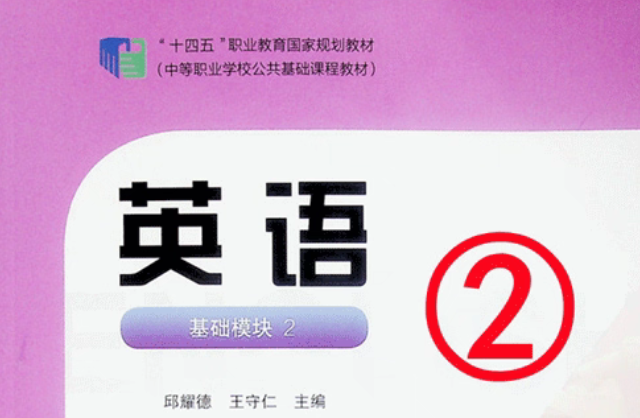
Unit 5 Learning from Role Models-状语从句 2(讲+练)-《英语 基础模块2》(语文版2022版)
2025-11-21
|
31页
|
453人阅读
|
2人下载
精品
内容正文:
状语从句
条件,让步,结果,方式状语从句
《英语 基础模块2》(语文版2022版)
Unit 5 Learning from Role Models语法
导
入
目
录
一、状语从句的定义
二、条件状语从句
三、让步状语从句
四、结果状语从句
五、方式状语从句
六、巩固练习
什么是状语从句
状语从句是用句子充当状语成分,表示行为发生的时间、地点、目的、原因、条件,让步,结果,方式等。
eg. If you study hard, you will pass the exam.
条件状语从句
eg. Though he is young, he knows a lot.
让步状语从句
什么是状语从句
状语从句是用句子充当状语成分,表示行为发生的时间、地点、目的、原因、方式等。
eg. She is so kind that everyone likes her.
结果状语从句
eg. She looks as if she hasn't slept for days.
方式状语从句
条件状语从句
条件状语从句是在复合句中作条件状语的句子。
条件状语从句的连接词
如果,假如
unless
除非,如果不
unless = if … not
if
as long as
只要
if/unless引导的条件状语从句
if表示正面的条件,意为“如果”;unless(=if ... not)表示反面的条件,意为“除非,如果不”。
eg. If you ask him, he will help you.
eg. You’ll fail the exam unless you study hard.
eg. You’ll fail the exam if you don’t study hard.
as long as引导的条件状语从句
as long as(=so long as)引导语气强烈的条件状语从句,表“只要”。
eg. As long as you don’t lose heart, you will succeed.
eg. So long as one keeps calm, one doesn’t feel the heat too much.
条件状语从句的时态
1.主将从现:条件状语从句要用一般现在时态表示将来的动作。
eg. If it doesn’t rain tomorrow, we’ll go to the park.
从现
主将
2.主情从现:条件状语从句中的主句可能是情态动词(can, may, might, must, should) + 动词原形的形式。
eg. If you want to pass the exam, you must study hard.
从现
主情
条件状语从句的时态
3.主祈从现:条件状语从句中的主句可能是祈使句。
eg. If you see him, please give him this note.
从现
主祈
if用法对比
意为“如果” 意为“是否”,= whether
引导条件状语从句。 引导宾语从句。
遵循“主将从现”“主情从现”
“主祈从现”原则。 无此用法。
If you wants to see him, you can tell him to wait.
如果你想见他的话,叫他等好了。 I wonder if I should wear a hat.
我不知道是否应该戴帽子。
让步状语从句
在句子中作让步状语的从句叫让步状语从句。
让步状语从句的连接词
虽然
even if
even though
即使
though/although
as
虽然
no matter +疑问词
though/although引导的让步状语从句
不可与 but 连用,但可与 yet/still 连用表转折语气
eg. Although the task is hard, he never gives up.
eg. Although/Though it was raining hard, yet they went on playing football.
eg. The task is hard, but he never gives up.
even if/even though引导的让步状语从句
even if/even though引导让步状语从句时,表示语气更强的让步,意为“即使,即便”。
eg. Tim is in good shape physically even though/even if he doesn’t get much exercise.
eg. Even though/if it rains tomorrow, we’ll go there.
no matter+疑问词引导的让步状语从句
wherever,(what,who,whom,when,which,how)+ever表示“无论……”,引导让步状语从句时,相当于no matter where(what,who,whom,when,which,how)。
eg. However/No matter how hard you try, it is difficult to lose weight without cutting down the amount you eat.
eg. Whoever you are (=No matter who you are), you must obey the rules.
as引导的让步状语从句
as引导的从句必须用倒装语序: 表语/状语/动词原形+as/though+主语+其他
若表语是可数名词单数,前置时要省略冠词。
eg. Child as/though he is, he can tell the names of all the cars.
eg. Much as/though I like it, I won't buy it, for it's too expensive.
结果状语从句
结果状语从句是在句子中作结果状语的从句。结果状语从句一般置于句尾。
结果状语从句的连接词
如此…以至于…
such ... that ...
如此…以至于…
so ... that ...
因此
so that
so ... that ...引导的结果状语从句
eg. The boy ran so fast that I couldn’t catch up with him.
eg. He was so angry that he couldn’t say a word.
句型一:主语+谓语+so+adj/adv+that 从句
形容词
形容词
so ... that ...引导的结果状语从句
eg. It was so fine a day that we all went out to have a picnic.
eg. He is so naughty a boy that he always gets his parents into trouble.
句型二:主语+谓语+so+adj+a/an+单数名词+that 从句
so+adj+a/an+单数名词
so+adj+a/an+单数名词
so ... that ...引导的结果状语从句
eg. There was so little water that it was not enough for all us to use.
eg. There is so much work to do that everyone feels bored.
当名词前有many, little, few, much等表示大小多少的词来修饰时,只能用so, 不能用such
注意: 当little 表示“ 小”修饰名词时,还要用such。
eg. They are such little puppies that all the children love them very much.
小的,形容词修饰名词
such ... that ...引导的结果状语从句
eg. It is such a good book that everyone likes to read it.
句型一:主语+谓语+such+a/an+adj+单数名词+that 从句
=主语+谓语+so+adj+a/an+单数名词+that 从句
eg. It is so good a book that everyone likes to read it.
such ... that ...引导的结果状语从句
eg. It is such a good book that everyone likes to read it.
句型二:主语+谓语+such+adj+名词复数+that 从句
eg. It was such good news that we all felt excited after hearing it.
句型三:主语+谓语+ such + adj.+不可数名词+that 从句
such/so ... that ...用法总结
so that引导的结果状语从句
eg. She practices English every day so that she speaks it fluently.
eg. We planted many trees so that the air in the neighborhood became fresher.
so that 引导结果状语从句时,核心作用是说明主句动作或情况所引发的 “自然结果”,从句与主句之间存在 “因果逻辑”。
方式状语从句
在句子中作方式状语的从句称为方式状语从句。方式状语从句一般位于句尾,有时位于句中。
方式状语从句的连接词
像,如同
as if/ as though
好像
as
as引导的方式状语从句
eg. Will you do the experiment as I am doing?
请按照我做的方法做这个实验好吗?
as引导方式状语从句,意为“按······的方式,如同”。
eg. She sang the song as she had been taught.
她按照被教的方式唱这首歌。
as if/ as though引导的方式状语从句
eg. He glanced about as if/ though he was in search of something.
他四处看了看,好像在找什么东西。(真实句)
两者引导的方式状语从句所表示的情况是事实或者具有很大的可能性时,通常用陈述语气;
如果从句表示的情况不是事实,而是主观的想象,则用虚拟语气。
eg. It looks as if/ though it were going to rain.
天看起来要下雨。(虚拟句)
巩固练习
一、用适当的词填空
1. ______ you don't hurry up, you will miss the bus.(if/unless)
2. He failed the exam ______ he studied hard.(though/so that)
3. The film was ______ moving ______ many people cried.(so...that/such...that)
4. She talks ______ she knew everything.(as if/according as)
If
though
so
as if
that
巩固练习
二、单选题
1. ______ it is raining heavily, we still go to the park.
A. Because B. Though C. If D. So
2. He is ______ a careful student ______ he never makes mistakes.
A. so; that B. such; that C. too; to D. enough; to
3. You can borrow my book ______ you return it on time.
A. as long as B. even if C. so that D. as if
4. —Lucy, what about going camping if it ______ tomorrow?
—Sounds great!
A. didn’t rain B. doesn’t rain C. rains D. won’t rain
B
B
A
B
Summary
一、状语从句的定义
二、条件状语从句
三、让步状语从句
四、结果状语从句
五、方式状语从句
Thanks
$
资源预览图

1

2

3

4

5

6
由于学科网是一个信息分享及获取的平台,不确保部分用户上传资料的 来源及知识产权归属。如您发现相关资料侵犯您的合法权益,请联系学科网,我们核实后将及时进行处理。