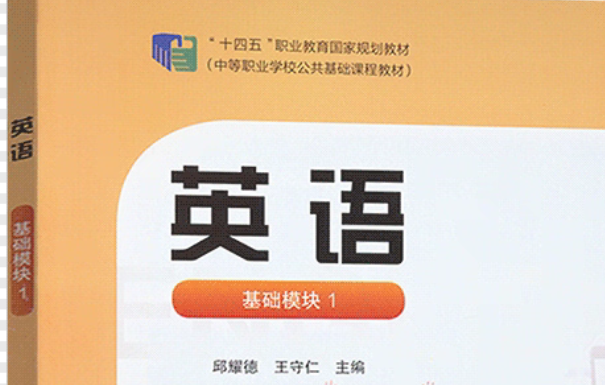
Unit 4 English Learning Tips-副词(讲+练)-《英语 基础模块1》(语文版2022版)
2025-11-20
|
22页
|
636人阅读
|
3人下载
精品
内容正文:
副词
《英语 基础模块1》(语文版2022版)
Unit 4 English Learning Tips语法
导
入
目
录
一、副词的概念
二、副词的构成
三、副词的分类及用法
四、副词的位置
五、巩固练习
什么是副词
副词用来修饰动词、形容词、其他副词以及全句的词,表示时间、地点、程度、方式等。
He goes to school early.
副词early修饰动词goes
The flower is very beautiful.
副词very修饰形容词 beautiful
什么是副词
副词用来修饰动词、形容词、其他副词以及全句的词,表示时间、地点、程度、方式等。
He runs very fast.
副词very修饰副词fast
Luckily, he passed the exam.
副词Luckily修饰整个句子
Practice
It is raining heavily outside.
外面雨下得很大。
副词heavily修饰________词________
动
rain
副词的构成
1. 简单副词:本身就是副词
2. 由形容词加-ly 变来的副词(多数是方式副词)
3. 形容词同形的副词:
early, enough, far, fast, long, low, little, high, late…
副词的构成
形容词变副词的变化规律
直接加 ly
辅音+ y结尾: 改y为i+ly
slow→ slowly
quick → quickly
以 l 结尾:直接加 ly
brave– bravely
special→specially
beautiful→ beautifully
easy→easily
busy →busily
careful→carefully
heavy →heavily
副词的构成
形容词变副词的变化规律
绝大多数辅音字母加e结尾的形容词直接加-ly
以 “ic” 结尾
polite→politely
wide→widely
wise→wisely
basic→ basically
automatic→ automatically
特殊e结尾: 去e+ly
probable→probably
possible→possibly
true→truly
副词的分类
1. 时间副词:now, then, soon, afterwards, before, lately, ago, already, recently, yesterday, yet…
例句:I will finish my work soon.(我很快就会完成工作。)
时间副词
2. 地点 / 方位副词:here, there, home, upstairs, downstairs, below, anywhere, down, under, over…
例句:Let's go there to have a look.(我们去那里看看。)
地点副词
副词的分类
3. 方式副词:slowly, bravely, fast, quick, well…
例句:She sings beautifully.(她唱歌很动听。)
方式副词
4. 频度副词:always, ever, frequently, never, often, rarely, seldom, sometimes, usually…
例句:He always gets up early.(他总是早起。)
频度副词
副词的分类
5. 程度副词:very, quite, rather,hardly, too, much…
例句:I like this book very much.(我非常喜欢这本书。)
程度副词
6. 疑问副词:how, when, where, why, what…
例句:Where are you going?(你要去哪里?)
疑问副词
副词的分类
7. 关系副词:when, where, why…
例句:I still remember the day when we met for the first time.(我仍然记得我们第一次见面的那一天。)
关系副词
8.连接副词:therefore, accordingly, besides, moreover,however, otherwise, then, lastly…
例句:He is ill. Therefore, he can't come.(他生病了,因此不能来。)
连接副词
副词的用法
1. 作状语:修饰动词、形容词、副词或全句
This is a fairly useful tool.(修饰形容词 useful)
2.作表语
The train is off.
She usually wears that round her middle when she goes out.(修饰动词 wears)
School is over.
副词的用法
3. 作定语
Life here is full of joy.
4.作宾语补足语或主语补足语
宾补:I saw him out with a girl.
Everyone there can speak English.
主补:He was called in.
副词的位置
1. 大多数副词可以放在它所修饰的动词后面
He runs slowly.
2.频度副词(always, usually, often, never, seldom…)作状语时,放在 be 动词、助动词、情态动词之后,行为动词之前
He is never late for school.
Open your mouth wide.
He is seldom ill.
副词的位置
3. 程度副词(so, very, quite 等)修饰形容词和副词时放在所修饰的词前,但enough除外。
He did quite well.
4.时间状语和地点状语一般放句尾,若同时存在,时间状语一般放在后面
The meeting will be held in the classroom tomorrow.
He didn’t run fast enough to catch the train.
He is seldom ill.
巩固练习
一、用所给词的适当形式填空
1.Michael fell off the skateboard. ________, he didn’t hurt himself badly. (luck)
2.Teenagers who study ________ will realize their dreams more easily. (wise)
3.If you speak ________(polite), people will be happy to make friends with you.
4.On Water Splashing (泼) Festival, people splash water on each other ________to give the best wishes. (happy)
5.The secret to getting on well with others is to express your feelings________ . (clear)
Luckily
wisely
politely
happily
clearly
巩固练习
一、单选题
1.She plays the piano ______ in her class.
A. good B. well C. better D. best
2. —______ do you visit your grandparents?
—Once a week.
A. How long B. How soon C. How often D. How far
3. He ran ______ to catch the last bus.
A. quick B. quickly C. slow D. slowly
D
C
B
巩固练习
一、单选题
4. You should speak ______ in the library.
A. loudly B. quietly C. clearly D. happily
5. I can ______ believe what he said. It's too surprising.
A. hardly B. always C. often D. usually
B
A
Summary
一、副词的概念
二、副词的构成
三、副词的分类及用法
四、副词的位置
Thanks
$
资源预览图

1

2

3

4

5

6
由于学科网是一个信息分享及获取的平台,不确保部分用户上传资料的 来源及知识产权归属。如您发现相关资料侵犯您的合法权益,请联系学科网,我们核实后将及时进行处理。