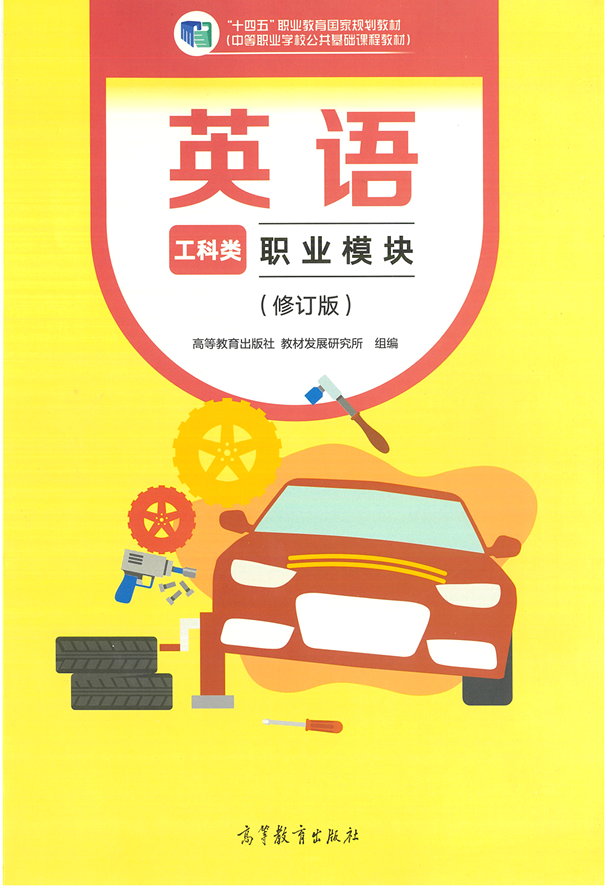
2.2 Following Instructions-Reading & Writing(教学设计)-《英语 工科类职业模块》(高教版)《上好课》
2025-10-23
|
7页
|
121人阅读
|
0人下载
精品
内容正文:
课程名称
《英语 工科类职业模块》
(高教版)
Unit 2 Following Instructions
Reading and Writing
课型
新授课
课时
授课班级
授课时间
授课教师
教材分析
本课教学内容选自教材第二单元的读写(Reading and Writing)板块。读写板块要求学生通过阅读有关台灯安装的短文,训练按照说明进行操作的动手能力;通过阅读有关流程图的短文,掌握典型流程图中不同符号的意义,培养获取信息和安全操作的能力。
学情分析
本节课的教学设计将围绕“台灯安装”训练按照说明进行操作的动手能力,基于此,学情分析如下:
(1)学生的知识储备
通过本单元Warming up和Listening and Speaking部分的学习,学生已经接触并掌握了与产品部件、故障描述及简单指令相关的核心词汇(如 press, push in, check)和句型(如 Try + V-ing)。这为他们理解本课更具操作性的说明文本(如安装台灯)奠定了基础。然而,对于流程图中出现的特定符号名称(如 oval, diamond, rectangle)及其功能,以及文本中更专业的安装动词(如 insert, tighten, screw in),学生的知识储备仍显不足。
(2)学生的能力水平
学生能够阅读并理解简单的句子,但对于将一系列步骤指令转化为有序的行动,并理解其内在逻辑关系的能力尚待提高。在写作方面,他们能够进行简单的句子仿写,但独立、有条理地根据流程图或图片提示,撰写一套清晰、连贯的操作说明存在较大困难。他们的优势在于对动手操作类任务感兴趣,形象思维优于抽象思维。
(3)学生的兴趣态度
学生对“安装台灯”这类与现实生活紧密相关的实践性任务通常会抱有较高兴趣。流程图作为一种新的知识形式,其图形化的特点也能引发学生的好奇心。然而,阅读纯文本的操作说明可能显得枯燥,而流程图的抽象规则可能需要时间消化,部分学生可能会因畏难而失去耐心。
(4)学生的学习困难与个体差异
学生的学习困难从两方面着手:
核心困难:从Text A中提取关键步骤信息,并将其按正确顺序排列;理解Text B中流程图各符号的抽象含义,并将此知识迁移到解读新的流程图或创建简单流程图中。
语言困难:准确理解和运用一系列表示动作的动词(如 insert vs put onto, tighten vs screw in)。
个体差异:逻辑思维能力强的学生能更快掌握流程图的要领,而动手能力强的学生可能在理解文本描述与实际操作之间建立更好联系。基础薄弱的学生则可能在理解长句和专业词汇时遇到障碍。
教学目标
1. 语言知识与理解
学生能够认读、理解并运用与安装说明和流程图相关的核心词汇(如:insert, tighten, screw in, release, suitable for, flowchart, oval, rectangle, diamond, arrow, decision)
2. 语言技能与运用
阅读能力:能够读懂产品安装说明(Text A),并准确提取安装步骤信息;能够理解流程图的基本构成要素和阅读方法(Text B)。
写作能力:能够根据给定的图片或实物提示,运用所学语言,编写一套条理清晰、指令明确的操作说明。
3. 情感态度与职业素养
培养学生严谨、有序的逻辑思维能力,增强遵循指令和规范操作的意识。通过完成任务获得成就感,提升学习英语的自信心。
教学重难点
教学重点:理解并掌握产品安装说明(Text A)中的关键步骤和动作词汇;理解流程图(Text B)中各符号的含义及其阅读路径。
教学难点:将阅读所学的说明文知识进行迁移运用,如相关表达:lamp,power cord,shade,base,即根据视觉提示,有条理地撰写一套简单的操作说明。
教学方法
情境教学法与任务型教学法相结合、启发式与支架式教学法、合作探究学习法
课前准备
PPT课件
教学媒体
希沃白板
教学过程
教学环节
教师活动设计
学生活动设计
设计意图
Step1 Warming up and Lead in
1. Show an unassembled desk lamp (or pictures of its parts). Ask: "Look, this is a new desk light. What should we do first?"
2. Invite a student to come up and try to assemble the lamp based only on the teacher's oral instructions, using keywords like insert and tighten as prompts.
3. Introduce the lesson topic: "To assemble it correctly, we need to follow the instructions. Today, we will learn how to read and write instructions."
1. Observe the desk lamp parts and answer the teacher's questions.
2. One student attempts to assemble the lamp based on instructions; other students observe and think.
3. Understand the learning goal: to learn how to read and write instructions.
1.通过实物和互动任务瞬间吸引学生注意力,激发学习兴趣和已有知识。
2.创设真实问题情境,让学生直观感受“指令”的重要性,自然导入本课主题。
Step2 Reading (TextA)
1. Pre-teach Vocabulary: Use actions and real objects to teach key verbs: insert, tighten, screw in, release.
2. Task 1: Skimming & Sequencing: Scramble the steps from Text A on cards/PPT. Have students read the text quickly to reorder the steps correctly.
3. Task 2: Detailed Matching: Show pictures of lamp parts (base, clip, stem, lamp shade, front louver). Ask students to find the sentences in the text describing how to install each part.
4. Explanation & Consolidation: Check answers. Guide students to draw a simple flowchart on the board outlining the steps for the two installation methods (using base / using clip).
Answer:1) B; 2) C; 3) A; 4) D
1. Learn and repeat the core verbs.
2. Skim the text to complete the sequencing task.
3. Read the text in detail to match parts with their installation instructions.
4. Participate in creating the step-by-step flowchart on the board.
1. 扫清阅读障碍,聚焦理解。
2. 通过排序和匹配任务,训练学生快速抓取信息和理解文本细节的能力。
3. 将线性文本可视化,为学习Text B(流程图)做铺垫,并强化学生的逻辑顺序感。
Step3 Reading (TextB)
1. Introduce the Concept: Show a simple flowchart (e.g., "How to make tea"). Ask: "What's this? It's a flowchart. It's another way to show instructions."
2. Matching Game: Scramble the flowchart symbols (Oval, Rectangle, Diamond) and their meanings (Start/End, Process, Decision). Have students read Text B to match them correctly.
3. Demonstration: Use the "how to make tea" flowchart to guide students through the process, emphasizing the branching at the decision step.
4. Application: Provide a simplified, text-less flowchart for installing the desk lamp (using the base). Have students work in groups to fill in the steps based on Text A.
1. Recognize what a flowchart is.
2. Read Text B and complete the symbol-meaning matching game.
3. Follow the teacher to interpret the example flowchart.
4. Work in groups to complete the flowchart filling task.
1.通过游戏化和直观的示例,降低学习抽象概念的难度。
2.将Text B的知识立即应用于解读与Text A相关的内容,实现知识的衔接与整合,加深对两种指令呈现方式的理解。
Step4 Writing
1. Set the Scene: Show a simple object or a series of pictures (e.g., how to get water in a cup; how to load a stapler).
2. Provide Scaffolding: Write a writing framework on the board:
First, take ... / get ...
Then, ... (verb) ... (object) ... (preposition) ... (place). / Next, ...
Make sure ... / Be careful not to ...
Finally, ...
3. Assign the Task: Ask students to choose one scenario and write a short 4-5 sentence instruction in English, referring to the language and structure of Text A.
4. Monitor & Support: Walk around while students write, offering help with vocabulary and sentence structure.
1. Choose a scenario for writing.
2. Refer to the language scaffolding and write the instructions individually or in pairs.
3. Ask the teacher or peers for help if needed.
1.提供具体情境和语言支架,极大降低了写作任务的难度,让不同层次的学生都能动笔。
2.实现从输入(阅读)到输出(写作)的能力转化,培养学生综合语言运用能力。
Step5 Practice
1. I pressed the wrong button and the machine broke down.
2. These self-driving cars will be powered by renewable energy.
3. Failure to report equipment problems could___(导致) injuring you.
4. The new technology is helping people connect to______(无线的) Internet.
答案:
1.我按错了按钮,机器坏了。
2.这些自动驾驶汽车将采用可再生能源。
3.lead to
4.wireless
Step 6
Summary
Step7 Homework
1. 整理本课所学关于安装步骤和流程图的核心词汇,每个抄写2遍并造句。
2.一件你熟悉的物品(如:组装一支笔、给植物浇水),为其制作一个简单的流程图(可手绘),并用2-3句英文对关键步骤进行说明。
教学反思
本节课以实物导入,充分调动了学生兴趣。通过双文本阅读和任务驱动,学生较好地掌握了安装说明的步骤梳理和流程图的解读方法。写作环节通过情境化和支架式教学,有效降低了输出难度,多数学生能完成基础写作任务。然而,流程图的抽象概念对部分学生仍是挑战,其在写作中的直接运用稍显不足。未来可考虑增加更丰富的流程图实例进行对比练习,并在写作任务中明确鼓励学有余力的学生尝试用流程图辅助说明,以进一步加强图文转换能力的培养。总体来看,教学环节清晰,重点突出,基本达成了读写能力的综合训练目标。
精品资源学科网独家享有版权,侵权必究!
学科网(北京)股份有限公司
$
资源预览图

1

2

3
由于学科网是一个信息分享及获取的平台,不确保部分用户上传资料的 来源及知识产权归属。如您发现相关资料侵犯您的合法权益,请联系学科网,我们核实后将及时进行处理。