2.1 Following Instructions-Warming up,Listening and Speaking(教学设计)-《英语 工科类职业模块》(高教版)《上好课》
2025-10-22
|
9页
|
134人阅读
|
0人下载
精品
内容正文:
课程名称
《英语 工科类职业模块》
(高教版)
Unit 2 Following Instructions
Warming up, Listening and Speaking
课型
新授课
课时
授课班级
授课时间
授课教师
教材分析
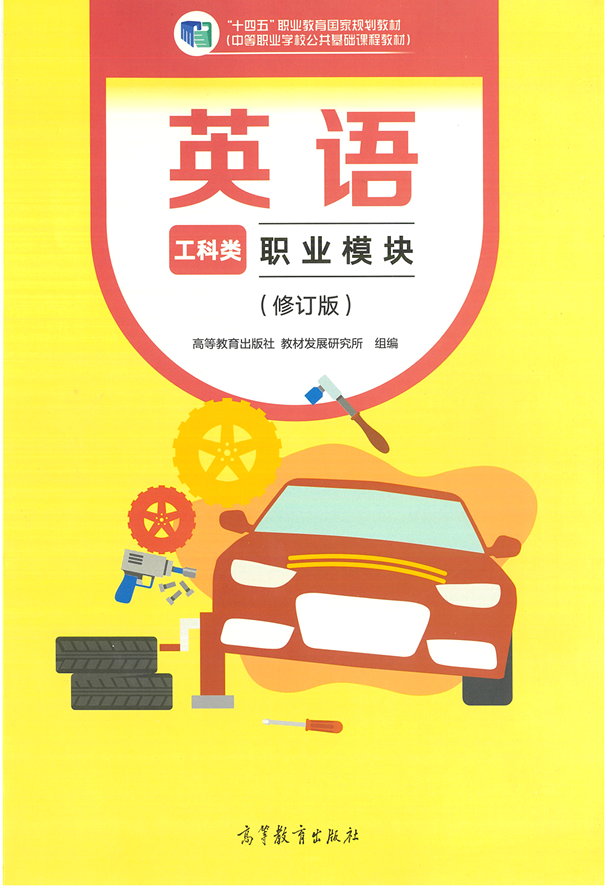
本课教学内容选自高等教育出版社出版的“十四五”职业教育国家规划教材(中等职业学校公共基础课程教材)《英语 职业模块 工科类》中的第二单元。通过本单元的学习,使学生了解工作中设备安装、故障处理的相关表达,培养利用流程图获取信息的工作能力,学习爱岗敬业和恪尽职守的职业精神。本课时的内容来自热身(Warming Up)和听说(Listening and Speaking)板块,要求学生熟悉产品部件的英文表达,听懂并掌握谈论产品故障的语句,能够运用语句与他人进行处理产品故障的对话。
学情分析
随着科技的发展,各式各样的产品设备出现在人们的生活中,成为人类社会必不可少的东西。本节课将聚焦“熟悉基本的产品部件和常见的产品故障问题”这一具体情景。基于此,学情分析如下:
(1)学生的知识储备
学生经过之前的学习,已经积累了一些与日常物品和简单指令相关的英语词汇,如一些动作指令词(如 turn on/off, open/close, click, press)和常见物品名称(如 computer, mouse, button, door)。同时,他们对“祈使句”这一用于发出指令的基本句型有初步的感性认识,能够在听到 Listen carefully. 或 Open your book. 等简单指令时做出正确反应。然而,他们的词汇库,特别是用于描述稍复杂操作流程(如 connect...to..., insert, select, adjust)和专业设备部件的词汇较为有限,这可能会影响他们对完整操作指令的理解和复述。
(2)学生的能力水平
在听力方面,学生能够听懂语速缓慢、结构清晰的单一指令。但在面对包含两个及以上步骤的连贯指令时,捕捉关键信息、理清步骤顺序的能力会面临挑战,容易出现信息遗漏或顺序混淆的情况。在口语表达方面,学生能够模仿范例句型进行简单的替换练习,但自主组织语言、清晰且有逻辑地描述一个多步骤流程的能力较弱。他们的优势在于模仿能力和动手实践的意愿,能够将听到的指令与具体的操作动作联系起来。
(3)学生的兴趣态度
本单元主题“听从指令”与学生的生活经验(如组装家具、使用新电器、玩电子游戏)和未来职业场景(如操作设备、遵循工作流程)紧密相关,容易引发学生的共鸣和兴趣。他们对于“动手做”和“完成任务”型的学习活动通常表现出较高的参与度。如果课堂活动设计得富有挑战性和成就感,如完成一个拼装任务或解决一个模拟的技术问题,能有效激发他们的学习动机。部分学生可能因听力理解上的困难而产生畏难情绪,需要教师通过任务分层和小组合作等方式进行引导和鼓励。
(4)学生的学习困难与个体差异
听力理解: 当指令中出现不熟悉的动词或名词时,容易卡壳,影响对后续内容的理解。对于长句指令,难以快速抓住核心动词和宾语。
信息处理: 将听到的序列性指令信息在脑中转化为清晰的步骤图式存在困难,可能导致执行顺序错误。
语言输出: 在口语表达时,学生可能过度依赖课本原句,缺乏灵活性;在描述流程时,连接词(如 first, then, next, finally)的使用不熟练,导致表达缺乏连贯性。
个体差异: 学生之间存在明显的差异。部分基础好的学生能够较快理解并复述指令,而基础薄弱的学生可能在识别单个词汇上就已感到吃力。此外,学生的逻辑思维能力和短期记忆力也不同,这会直接影响他们处理多步骤指令的效果。
教学目标
1. 语言知识与理解
学生能够识别、理解并运用与产品故障及处理相关的核心词汇与句型,例如:
故障描述:There is no input signal on the monitor., The computer is in the power saving mode.
故障排查:Are the ... pushed in/bent?, Check the ...
提供解决方案:Try pressing any key., Make sure the ... is connected.
2. 语言技能与运用
听力理解:学生能够听懂关于常见设备(如显示器、电脑)故障的简单对话,抓取关键故障信息及解决问题的步骤。
口语表达:学生能够在模拟的工作场景(如技术支持、同事协作)中,运用所学语言,进行简单的产品故障描述与排查对话。
3. 情感态度与素养
培养学生勤学好问的态度,在遇到问题时敢于用英语提问和求助。
提升学生在工作中发现问题、分析问题、解决问题的逻辑思维能力和实践精神。
通过小组活动,培养团队协作意识。
教学重难点
教学重点:掌握并运用谈论产品故障与处理的核心词汇和句型;理解并遵循解决产品故障的指令流程。
教学难点:在模拟的工作情境中,综合运用所学语言,进行有条理的故障排查对话;理解并厘清故障排查对话中隐含的先后逻辑顺序。
教学方法
情境教学法与任务型教学法相结合、启发式与支架式教学法、合作探究学习法
课前准备
PPT课件、听力材料
教学媒体
希沃白板
教学过程
教学环节
教师活动设计
学生活动设计
设计意图
Step1 Warming Up
1.Flashcard Game: Show pictures of a car, machine, steel pipes, and computer monitor rapidly. Ask "What's this?" and have students answer chorally to activate prior knowledge quickly.
2.Contextual Matching & Extension: After the textbook matching exercise, introduce a "Problem Diagnosis" activity. Provide a problem description for each item and have students match it.
T: "It doesn't move. It's broken." -> Students choose: machine
T: "The screen is black." -> Students choose: computer monitor
T: "It's making a strange noise." -> Students choose: car
T: "There's a hole in it." -> Students choose: steel pipes
3.Introducing the Core Sentence Pattern & Topic:
Point to the picture of the black monitor and ask, "What's wrong? Oh, there is no picture." Write "There is no..." on the board.
Then, pose a question, "So, what should we do? We need to find the problem and follow instructions to fix it. Today, we will learn how to talk about problems and follow instructions in English!"
1. Participate in the "Flashcard Game" and say the words aloud.
2. Complete the textbook matching exercise.
3. Participate in the "Problem Diagnosis" activity, listen to the descriptions, and select the correct item.
Repeat and understand the core sentence pattern "There is no...", and clarify the lesson's learning objectives.
1.游戏化激趣:“快速闪卡”和“问题诊断”将简单的词汇复习变成了游戏,迅速吸引学生注意力,营造积极活跃的课堂氛围。
2.情境化铺垫:“问题诊断”环节将核心词汇与“故障”概念直接关联,为学生后续理解听力材料中的故障对话提供了语义上的准备。
3.精准导入:通过自问自答和板书,自然引出了本课最关键的功能句型 “There is no...”,并点明单元主题 “Following Instructions”,使热身环节直接服务于后续教学内容,过渡无比自然。
Step2 Pre-Listening
1.Action Demonstration & Picture Display:
(1)input signal: Point to the monitor and say, "This is the signal." Then, block the signal cable interface and say, "Now, no input signal."
(2)connector's pins: Show a close-up picture of a VGA or HDMI interface and clearly point out the pins.
(3)pushed in: Take a power plug, demonstrate it unplugged and then plugged in, emphasizing "Is it pushed in?".
(4)power saving mode: Imitate a computer in sleep mode and say, "The computer is sleeping. It's in the power saving mode.".
(5)pressing any key: Mimic pressing any key on the keyboard and say, "Try pressing any key.".
2.Choral Repetition: Lead the students in reading these core phrases aloud.
1.Watch the teacher's actions and pictures to understand the meaning of the vocabulary.
2.Chant the core phrases together to establish the connection between sound, form, and meaning.
1.扫清听力障碍:这个新增的微环节至关重要。它通过多模态(视觉、动觉、听觉)输入,提前处理掉听力材料中的“拦路虎”,能极大提升学生后续听力的成功率和信心。
2.强化记忆:生动的演示比单纯的讲解更能帮助学生记忆这些专业性较强的短语。
Step3 Listening
1.Set the Task: Clearly instruct students to number the sentences they hear in order.(Activity1)
Answers:
4); 1); 3); 2)
2.Play the Audio: Play the audio the first time for general comprehension.
3.Check and Explain: Play the audio a second time, then check the answers. Highlight the sentence "The machine has stopped working." as a key expression for describing malfunctions, equating it with "There is something wrong with the machine."
4.Set the Task: Show the gapped text and explain the filling task.(Activity2)
Answers:4); 1); 3); 2)
5.Scaffolded Listening:
(1)First Listen (for gist): Ask students to listen and answer "Who, where, and what is the main problem?"
(2)Second Listen (for details): Ask students to listen sentence by sentence and fill in the blanks.
(3)Third Listen (for checking): Play the full audio again. Allow students to review their answers against the script, paying attention to pronunciation and intonation.
6.Check and Summarize: Check the answers together. Emphasize and summarize the logical sequence of troubleshooting:
1. Check connection -> 2. Rule out the monitor -> 3. Hypothesize power-saving mode -> 4. Try pressing a key.
1. Listen to the audio for the first time to get the gist and try numbering.
2. Listen to the audio again to confirm the order.
3. Check answers and repeat the key sentence.
4. Listen for the first time to understand the main idea.
5. Listen for the second time, focus on filling the gaps, and capture key information.
6. Listen for the third time, check and correct answers, and read along.
7. Follow the teacher to outline the troubleshooting steps.
1. 听力微技能训练:训练学生抓取关键信息的能力。
2. 新句型铺垫:在语境中自然引入描述故障的新句型,为后续学习减轻负担。
3. 建立信心:此任务难度较低,旨在让学生体验成功,增强进行后续听力的信心。
4. 扫清障碍:提前处理生词,降低听力难度,让学生能更专注于理解内容。
5. 技巧训练:通过“主旨-细节-核查”的三遍听力法,系统训练学生的听力策略。
6. 聚焦重难点:填空任务直接针对教学重点(词汇句型),而梳理逻辑顺序则是在突破教学难点(理解排查流程)。
7. 输入强化:提供听力文本,使学生能将声音与文字对应,强化语言输入。
Step4 Speaking
1.Provide Language Scaffolding: Write key sentence structures on the board:
(1)Reporting a problem: There is no ... on the monitor. / The ... has stopped working.
(2)Asking for/ Giving instructions: Are the ... pushed in? / Check the ... / Try + V-ing...
(3)Analyzing & Concluding: It's not a problem caused by ... / Maybe it's in the ...
2.Demonstrate: Perform a role-play with a more proficient student to demonstrate a full dialogue.
3.Set the Scene & Task: Assign group roles. Create new scenarios (e.g., "The printer doesn't print" / "The mouse doesn't respond"). Ask students to create and practice a similar conversation using the scaffolding.
4.Monitor & Support: Circulate and provide support and correction while students practice.
5.Invite Performance: Invite 1-2 pairs to perform their dialogue for the class.
1. Read and familiarize themselves with the sentence scaffolding on the board.
2. Observe the teacher's demonstration.
3. Work in pairs/groups, assign roles, create, and practice dialogues based on the new scenario.
4. Prepare and volunteer for class performance.
1.搭建脚手架:提供清晰的句型支架,有效降低学生口语输出的焦虑和难度,帮助他们攻克“熟练运用”的难点。
2.从输入到输出:将听力输入转化为口语输出,实现知识的内化和迁移,直接达成能力目标。
3.创设真实语境:模拟真实工作场景,提升语言的交际价值,培养学生的综合职业能力。
4.合作学习:通过小组活动,照顾学生个体差异,实现生生互助。
Step 5 Exercise
1. An engine is considered as the heart of an automobile.
2. You should also put on your personal protective equipment.
3. Remember, wrenches should be_________________ (小心使用) and be stored properly.
4. Please check the________________ (操作手册) for more information about the product.
Answers:
1. 发动机被认为是汽车的心脏。
2. 你也应该穿上你的个人防护装备。
3.used carefully 4.operation manual
Step 6 Summary
Step 7 Homework
1.熟记本课学习的5个核心词汇/短语(no input signal, connector's pins, pushed in, power saving mode, try pressing any key),并默写其含义。
2.两人一组,模仿听力对话和课堂口语练习,围绕“打印机无法打印(The printer doesn't work)”这一新情境,编写并录制一段简单的英文对话。
3.观察你身边的一种电子设备(如手机、耳机),尝试用中文或简单的英文记录下它的常见故障和解决方法,下节课分享
教学反思
本节课通过游戏化热身和多模态词汇教学,有效激发了学生兴趣,降低了听力理解难度。学生能较好地掌握核心词汇与句型,并在模拟情境中进行简单对话输出,基本达成知识与应用目标。然而,部分学生在整合运用句型进行流畅对话时仍显吃力,个体差异明显。后续需在情境设计的真实性与任务分层上进一步优化,为不同能力基础的学生提供更精准的支架,并加强“Try + V-ing”等关键句型的机械性操练,以促进语言内化,提升表达的熟练度与自信心。
NO INPUT SIGNAL on the monitor
1. Check if the input connector’s pins are pushed in
not caused by the monitor
2. Try pressing any key on the keyboard
The computer may be in the power saving mode
problem of a computer
solvtion
cause
精品资源学科网独家享有版权,侵权必究!
学科网(北京)股份有限公司
$
资源预览图

1

2

3
由于学科网是一个信息分享及获取的平台,不确保部分用户上传资料的 来源及知识产权归属。如您发现相关资料侵犯您的合法权益,请联系学科网,我们核实后将及时进行处理。