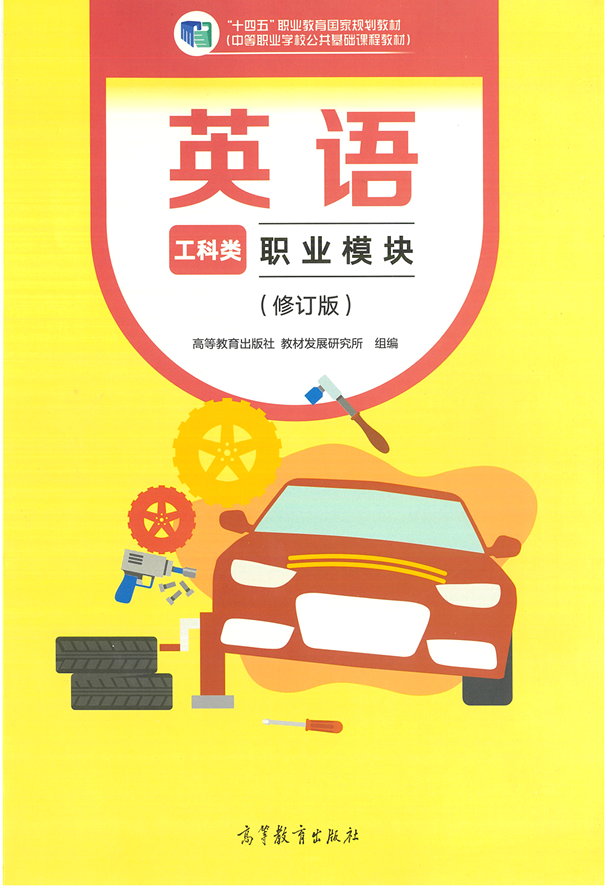
1.3 Working Together-Culture Notes & Problem Solving(教学设计)-《英语 工科类职业模块》(高教版)《上好课》
2025-10-15
|
7页
|
94人阅读
|
0人下载
精品
内容正文:
课程名称
《英语 工科类职业模块》
(高教版)
Unit 1 Working Together
Culture Notes and Problem Solving
课型
新授课
课时
授课班级
授课时间
授课教师
教材分析
本课教学内容选自教材第一单元的文化注释和问题解决( Culture Notes and Problem Solving )板块,要求学生通过创设真实职场情境,提高学生发现、分析、解决问题的能力,培养学生职业核心素养;在文化注释的学习中,加深学生对团队精神的了解,体会团队合作的益处。
学情分析
本节课的教学设计将结合职业情境,设置问题解决任务,帮助学生进一步提高职场语言沟通能力,以及帮助学生体会在职场中尊重他人,团队合作的重要性,提升职业核心素养,基于此,学情分析如下:
(1)学生的知识储备:学生已具备基础的英语阅读能力,能够理解与个人生活、学习相关的一般性短文,并掌握了一定量的常用词汇和基本句型。对于“团队”、“合作”等概念有初步的生活化认知。
(2)学生的能力水平:学生能够进行简单的信息提取和概括,但在深入分析文本内涵、将阅读所得迁移到实际情境中解决问题的能力尚在发展中。小组合作讨论的能力需要进一步引导和强化。
(3)学生的兴趣态度:学生对与自身生活经验贴近的叙事性材料(如职场故事)可能抱有较高兴趣,但对于抽象的文化理念,需要具体事例的引导以维持其学习热情和参与度。
(4)学生的学习困难:部分学生可能难以准确理解文本中主人公情绪背后的深层原因及其与团队协作缺失的关联。同时,将中西方关于团队合作的谚语和文化理念进行联系与内化,并应用于分析、解决实际问题,可能存在一定挑战。学生个体在词汇量、逻辑思维和口语表达能力上的差异也需要关注。
教学目标
1.语言知识与理解:学生能够准确理解阅读材料中主人公所遇困境的细节,识别并理解其中描述问题和情绪的关键表达(如:"felt out of place", "not nice at all", "stared at me", "I'll never have anything to do with...");能够识记并理解文化笔记中关于团队合作的核心理念及所列中英文谚语的含义。
2.语言技能与运用:学生能够通过小组讨论,分析归纳出主人公困境中反映出的团队协作与沟通问题,并运用从阅读材料和文化笔记中学到的理念与语言,为其提出至少两条改进现状、促进协作的具体、可行的建议。
3.情感态度与职业素养:引导学生认识到有效沟通与团队协作在职场及集体生活中的重要性,初步形成乐于合作、积极寻求解决问题的意识。
教学重难点
教学重点:引导学生梳理并分析导致主人公“糟糕一天”的具体事件(如错过巴士、着装不当、同事冷漠、忘记密码),并理解这些事件共同揭示了其因缺乏主动沟通和团队协作意识而陷入困境的核心问题。
教学难点:帮助学生超越对故事的表面理解,能够运用“团队合作”的理念和文化谚语的智慧,为主人公提出具体的行为改进建议(例如:如何主动与新同事破冰、如何提前获取会议信息等),实现从“知”到“行”的跨越。
教学方法
情境教学法与任务型教学法相结合、启发式与支架式教学法、合作探究学习法
课前准备
PPT课件、视频材料
教学媒体
希沃白板
教学过程
教学环节
教师活动设计
学生活动设计
设计意图
Step1 Warming up
1. Play a short clip of "Mr. Bean's Terrible Morning," featuring scenes like him struggling to get dressed on the bus, getting his tie caught in the door, and racing against the clock at the office.
2. After the video, ask students with a smile:
"What funny things did Mr. Bean do in the video?"
"Why was he in such a hurry?"
"Have you ever experienced a morning that felt a little bit like Mr. Bean's?"
3. Bridge to the topic: "It seems that messy mornings can happen to anyone! But what if a morning like this is also your FIRST day at a new job? Today, we are going to meet someone who might be having an even worse day. Let's read his story and see how we can help!"
1. Watch the humorous video and enjoy Mr. Bean's funny performances.
2. Think about the teacher's questions and briefly share their observations or similar personal experiences.
3. Become curious and engaged, ready to explore the main reading text.
1.激发兴趣,降低焦虑:憨豆先生的幽默片段能迅速抓住学生注意力,营造轻松、愉快的学习氛围,消除对新课的紧张感。
2.建立强烈共鸣:视频内容与“糟糕早晨”的主题高度契合,能有效激活学生自身的生活经验,为后续学习建立深厚的情感基础。
3.无缝衔接主题:通过从憨豆先生的普遍性窘境,过渡到课文主人公“更糟糕的职场第一天”,巧妙地设置了阅读期待,并暗示了本课将探讨更深层次的职场适应与团队合作问题。
Step2
Text Analysis and Problem Sorting
1.Activity17(1) Read and underline. Try to underline the wrong things that Liu Qiang did.
Answers:
1) I failed to catch the early bus.
2) And my T-shirt and jeans looked quite out of place with the others’ suits and ties.
3) The guy sitting next to me was not nice at all!
4) When I tried to log onto my mailbox, I found I didn’t remember the password!
2. Task 1: Skimming for Facts: Guide students to skim the text and complete a graphic organizer (e.g., a table) to outline the main character's specific problems.
Time/Place
What Happened?
How did he feel?
On the bus
In the office
With the co-worker
At his desk
3.Task 2: In-depth Inquiry: Pose guiding questions to dig deeper:
(1)"Why did his T-shirt and jeans look 'out of place'?"
(2)"Was the co-worker really 'not nice at all'? What might be the reason he said 'Go and check your email'?"
(3)"What could he have done BEFORE his first day to avoid some of these problems?"
4. Activity17(2) Think and tick. Try to tick the suitable suggestions.
Answers: 1,2,4,5,6
1. Finish the Activity 17.(1)
2. Skim the text individually and fill in the graphic organizer to sort key information.
3. Discuss the teacher's guiding questions in pairs or small groups, attempting to interpret the characters' behaviors from different perspectives.
4.Finish the Activity 17.(2)
1.训练阅读技能:通过泛读与精读相结合的任务,培养学生抓取关键信息和进行推理的能力。
2.突破教学重点:将主人公的“困境”具体化、可视化,引导学生从表面事件思考其背后的沟通缺失和准备不足等深层原因。
Step3
Culture Integration and Wisdom Empowerment
1. Transition by stating: "Our friend's problems are not just personal; they are about fitting into a team. So, what is 'teamwork' really about?"
2. Briefly introduce Stephen Robbins' concept of a "team," emphasizing "collective performance > sum of individual inputs."
3. Proverb Matching Game: Jumble the Chinese proverbs and their English equivalents/meanings. Have students match them. Ensure comprehension through choral repetition.
4. Facilitate a discussion: "Which of these sayings can best help our friend? Why?"
1. Listen and understand the concept of a team.
2. Participate in the matching game and practice saying the proverbs.
3. Discuss in groups to choose the most applicable proverb and explain their choice.
1.化抽象为具体:将文化概念和古老的智慧转化为可用的“工具”,为解决实际问题提供理论支持。
2.增加趣味性:配对游戏的形式使语言和文化学习变得互动和富有挑战性。
3.搭建桥梁:此环节是连接“问题分析”与“方案提出”的关键桥梁,为学生提供解决问题的思想武器
Step4 Application Creation and Role-play
1.Set the core task: "Now, you are the 'Company Culture Coach'. In your group, create a ROLE-PLAY."
(1) Scenario A: The morning of the story. How could he have done things DIFFERENTLY?
(2) Scenario B: The next day. How can he rebuild his image and build good relationships?
2. Specify that the role-play must incorporate at least ONE idea or proverb from the Culture Notes.
3. Monitor, provide support, and facilitate.
1. Choose a scenario, collaborate within groups (assigning roles like writer, actors).
2. Create a short dialogue based on their understanding and rehearse.
3. Selected groups perform their role-play for the class.
1. 攻克教学难点:这是本课的高潮,要求学生将所学知识、技能和态度综合运用于一个真实的模拟场景,实现从“知”到“行”的跨越。
2. 提升参与度与创造力:角色扮演极具趣味性和挑战性,能充分调动学生的积极性,发挥其创造力和协作精神。
3. 综合输出:全面锻炼学生的语言组织、口语表达和团队协作能力。
Step5
Exercise
1.— I’ve nothing on me except this ten-yuan note to give you, I’m afraid.
— Never mind. ______ . We really appreciate your help.(2022高考)
A. Every little helps B. The more, the better
C. It’s better to give than to receive D. No one is perfect
2.—Mike, make yourself at home. There’s plenty of food here. ______.
—Thank you.(2025年,联考)
A. Eat slowly, please
B. Have as much as you can
C. You don’t need to worry
D. Please help yourself
答案:A,D
Step 6
Summary
Step 7 Homework
Write an email to the main character.
Give him some encouragement and practical advice, using one or two expressions/vocabulary items learned in class.
教学反思
本节课以“憨豆先生”导入成功激发兴趣,引导学生由浅入深地剖析文本。角色扮演活动将课堂推向高潮,学生成功将团队合作的文化理念转化为具体行动方案,有效攻克了教学难点。整体实现了从语言学习到思维训练再到情感态度培养的过渡。未来可考虑为语言能力较弱的学生提供更多句型模板,以促进更均衡的参与和输出。
糟糕的一天
问题根源(个人孤立-沟通失败)
解决方案(团队精神)
谚语智慧
众人拾柴火焰高
人心齐,泰山移
三个臭皮匠顶个诸葛亮
最终行动(主动沟通+做好准备+团队协作)
作业:写一封建议邮件
精品资源学科网独家享有版权,侵权必究!
学科网(北京)股份有限公司
$
资源预览图

1

2

3
由于学科网是一个信息分享及获取的平台,不确保部分用户上传资料的 来源及知识产权归属。如您发现相关资料侵犯您的合法权益,请联系学科网,我们核实后将及时进行处理。