Module 12 Save our world. 同步词汇笔记-2025-2026学年外研版英语九年级上册
2025-09-08
|
6页
|
71人阅读
|
34人下载
普通
内容正文:
外研版 九上 Module 12 Save our world. 同步词汇笔记
序号
单词
词形变化
派生词
核心考点
例句
1
factory /ˈfæktri/ n. 制造厂;工厂 (96)
复数:factories
N/A
a car factory 汽车厂;work in a factory 在工厂工作
1. Many workers work in this factory.(许多工人在这家工厂工作。)2. This new factory will produce more machines.(这家新工厂将生产更多机器。)
2
pollute /pəˈluːt/ v. 污染 (96)
过去式/过去分词:polluted;现在分词:polluting
pollution n. 污染;polluted adj. 被污染的
pollute the environment 污染环境;pollute water 污染水
1. Factories mustn't pollute the river nearby.(工厂不得污染附近的河流。)2. Air pollution is caused by too many cars.(空气污染是由过多汽车造成的。)
3
recycle /ˌriːˈsaɪkl/ v. 回收利用;再使用 (废品) (96)
过去式/过去分词:recycled;现在分词:recycling
recycling n. 回收利用;recyclable adj. 可回收的
recycle waste 回收废料;recycle paper 回收纸张
1. We should recycle plastic bottles to protect the earth.(我们应该回收塑料瓶来保护地球。)2. This company recycles old computers into new parts.(这家公司将旧电脑回收成新零件。)
4
waste /weɪst/ n. 废料;废弃物 (96)
复数:wastes(侧重“多种废料”时);动词(可表“浪费”):过去式/过去分词 wasted
wasteful adj. 浪费的;wastage n. 浪费(初中较少见,填N/A)
waste water 废水;waste time/money (in) doing sth. 浪费时间/金钱做某事
1. There is too much waste in the city.(这座城市有太多废料。)2. Don't waste time playing computer games.(别浪费时间玩电脑游戏。)
5
enemy /ˈenəmi/ n. 敌人;仇人 (96)
复数:enemies
N/A
a common enemy 共同的敌人;fight against enemies 对抗敌人
1. His biggest enemy is himself.(他最大的敌人是他自己。)2. The two countries used to be enemies.(这两个国家过去是敌人。)
6
crop /krɒp/ n. 庄稼;作物 (96)
复数:crops
N/A
grow crops 种庄稼;harvest crops 收割庄稼
1. The farmers are busy planting crops in spring.(农民们春天忙着种庄稼。)2. Bad weather destroyed all the crops.(恶劣天气毁掉了所有庄稼。)
7
kill /kɪl/ v. 杀死;弄死 (96)
过去式/过去分词:killed;现在分词:killing
killer n. 杀手;杀人者
kill sb./sth. 杀死某人/某物;kill time 消磨时间
1. The cold weather killed many plants.(寒冷天气冻死了许多植物。)2. He likes reading to kill time on the bus.(他喜欢在公交车上看书消磨时间。)
8
oil /ɔɪl/ n. 石油 (96)
不可数名词(表“石油、油”时);复数:oils(表“多种油类”时,如cooking oils)
oily adj. 油腻的
cooking oil 食用油;oil field 油田;pour oil on the fire 火上浇油
1. Most cars run on oil.(大多数汽车靠石油运行。)2. My mother bought a bottle of cooking oil yesterday.(妈妈昨天买了一瓶食用油。)
9
less /les/ adj. 较小的;较少的 n. 较少数;较少量 (96)
形容词比较级:less(原级little);最高级:least;不可数名词(无复数)
N/A
less than 少于;more or less 或多或少;less and less 越来越少
1. There is less water in this bottle than that one.(这个瓶子里的水比那个少。)2. He spends less time on TV than before.(他现在花在看电视上的时间比以前少了。)
10
hopeless /ˈhəʊpləs/ adj. 无望的 (96)
比较级:more hopeless;最高级:most hopeless
hope v./n. 希望;hopeful adj. 有希望的
be hopeless 无望的;a hopeless situation 无望的局面
1. It's hopeless to finish this work in an hour.(一小时内完成这项工作是无望的。)2. He felt hopeless when he failed the exam.(考试不及格时,他感到很无望。)
11
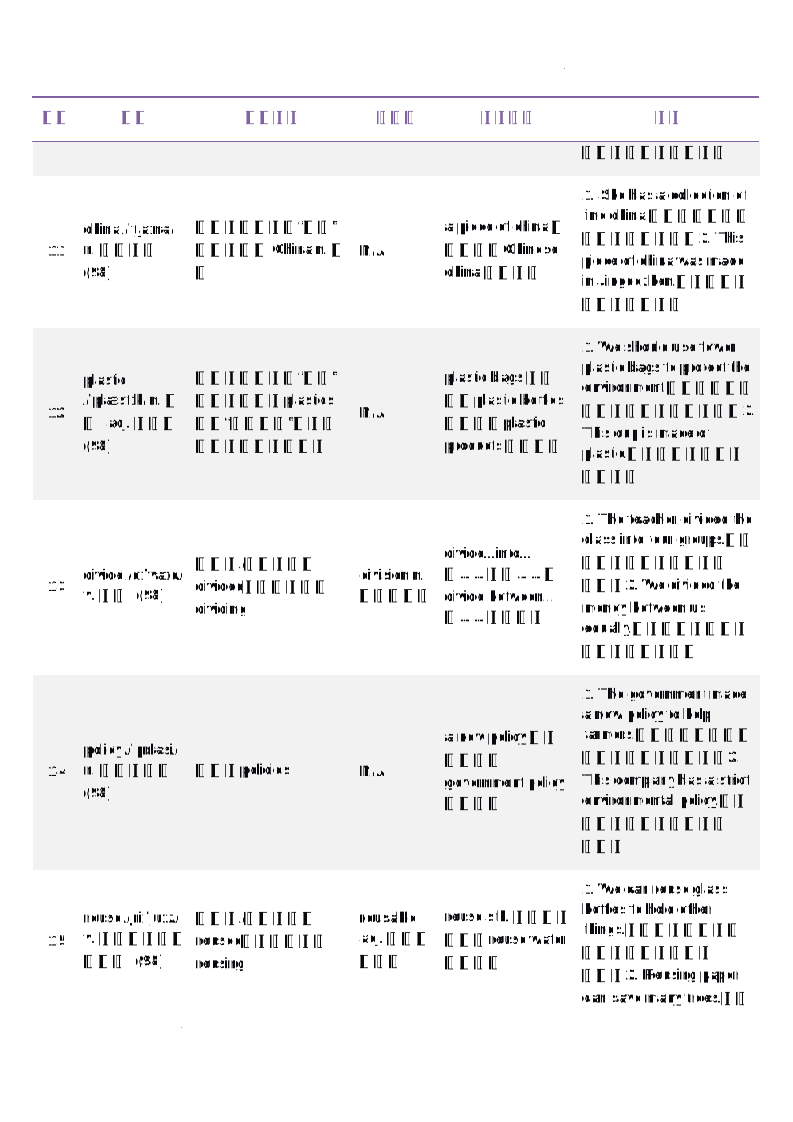
china /ˈtʃaɪnə/ n. 瓷;瓷器 (98)
不可数名词(表“瓷器”时);大写China n. 中国
N/A
a piece of china 一件瓷器;Chinese china 中国瓷器
1. She has a collection of fine china.(她有一批精美的瓷器收藏品。)2. This piece of china was made in Jingdezhen.(这件瓷器产自景德镇。)
12
plastic /ˈplæstɪk/ n. 塑料 adj. 塑料的 (98)
不可数名词(表“塑料”时);复数:plastics(表“塑料制品”时);形容词无比较级变化
N/A
plastic bags 塑料袋;plastic bottles 塑料瓶;plastic products 塑料制品
1. We should use fewer plastic bags to protect the environment.(我们应该少用塑料袋来保护环境。)2. This cup is made of plastic.(这个杯子是塑料做的。)
13
divide /dɪˈvaɪd/ v. 分开 (98)
过去式/过去分词:divided;现在分词:dividing
division n. 分开;划分
divide...into... 把……分成……;divide between... 在……之间分配
1. The teacher divided the class into four groups.(老师把班级分成了四个小组。)2. We divided the money between us equally.(我们把钱在彼此之间平均分了。)
14
policy /ˈpɒləsi/ n. 政策;方针 (98)
复数:policies
N/A
a new policy 一项新政策;government policy 政府政策
1. The government made a new policy to help farmers.(政府出台了一项帮助农民的新政策。)2. This company has a strict environmental policy.(这家公司有严格的环保方针。)
15
reuse /ˌriːˈjuːz/ v. 再次使用;重复利用 (98)
过去式/过去分词:reused;现在分词:reusing
reusable adj. 可重复使用的
reuse sth. 重复使用某物;reuse water 重复用水
1. We can reuse glass bottles to hold other things.(我们可以重复使用玻璃瓶来装其他东西。)2. Reusing paper can save many trees.(重复使用纸张可以拯救许多树木。)
16
bottle /ˈbɒtl/ n. 瓶 (98)
复数:bottles;动词(可表“装瓶”):过去式/过去分词 bottled
N/A
a bottle of 一瓶……;bottle water 瓶装水
1. Could you give me a bottle of milk?(你能给我一瓶牛奶吗?)2. They bottled the juice and sold it in the shop.(他们把果汁装瓶后在店里售卖。)
17
throw away 扔掉;丢弃 (98)
动词短语,无词形变化(时态变化体现在throw上:过去式 threw,过去分词 thrown)
N/A
throw away sth. / throw sth. away 扔掉某物
1. Don't throw away these old books—they are useful.(别扔掉这些旧书——它们还有用。)2. He threw away the broken toy yesterday.(他昨天扔掉了那个坏玩具。)
18
repeat /rɪˈpiːt/ v. 重说;重新做 (98)
过去式/过去分词:repeated;现在分词:repeating
repetition n. 重复;反复
repeat sth. 重复某事;repeat after sb. 跟着某人重复
1. Could you repeat the question? I didn't hear it clearly.(你能重复一下问题吗?我没听清楚。)2. The teacher asked the students to repeat the sentence.(老师让学生们重复这个句子。)
19
cloth /klɒθ/ n. 布;布料
复数:cloths(表“布料”);clothes n. 衣服(不可数,表“衣物”,与cloth含义不同)
N/A
a piece of cloth 一块布料;cleaning cloth 清洁布
1. She bought three pieces of cloth to make dresses.(她买了三块布料做裙子。)2. Use this cloth to wipe the table.(用这块布擦桌子。)
20
ton /tʌn/ n. 吨
复数:tons
N/A
a ton of 一吨……;tons of 许多;大量(见序号21)
1. This stone weighs about a ton.(这块石头重约一吨。)2. The truck can carry two tons of coal.(这辆卡车能装两吨煤。)
21
tons of 许多;很多
量词短语,无词形变化
N/A
tons of + 可数名词复数/不可数名词 许多……
1. There are tons of books in the school library.(学校图书馆里有许多书。)2. It rained tons of rain last night.(昨晚下了大量的雨。)
22
rubber /ˈrʌbə/ n. 橡胶
不可数名词(表“橡胶”时);复数:rubbers(表“橡皮、胶鞋”时,初中常见“橡皮”义)
N/A
rubber gloves 橡胶手套;a rubber 一块橡皮
1. This ball is made of rubber.(这个球是橡胶做的。)2. She used a rubber to correct her mistake.(她用橡皮改正了错误。)
23
recycling /ˌriːˈsaɪklɪŋ/ n. 回收利用
不可数名词,无复数;动词原形:recycle(见序号3)
N/A
waste recycling 废料回收;recycling bin 回收箱
1. Recycling is an important way to protect the earth.(回收利用是保护地球的重要方式。)2. We should put paper in the recycling bin.(我们应该把纸放进回收箱。)
24
rapid /ˈræpɪd/ adj. 快速的;迅速的
比较级:more rapid;最高级:most rapid;无名词单复数变化(本身可作名词“急流”,初中少见)
rapidly adv. 快速地;迅速地
rapid development 快速发展;rapid change 迅速变化
1. The city has made rapid progress in recent years.(这座城市近年来取得了快速发展。)2. The water flows at a rapid speed in the river.(河里的水流速度很快。)
25
step /step/ n. 步骤;措施
复数:steps;动词(可表“走、迈步”):过去式/过去分词 stepped
N/A
take steps to do sth. 采取措施做某事;the first step 第一步
1. We need to take steps to reduce pollution.(我们需要采取措施减少污染。)2. The first step is to finish your homework.(第一步是完成你的作业。)
26
grandson /ˈɡrænsʌn/ n. (外) 孙子
复数:grandsons
N/A
my grandson 我的孙子;her grandson 她的孙子
1. His grandson often visits him on weekends.(他的孙子经常在周末来看他。)2. The old man played games with his grandson.(老人和他的孙子一起玩游戏。)
27
granddaughter /ˈɡrændɔːtə/ n. (外) 孙女
复数:granddaughters
N/A
my granddaughter 我的孙女;his granddaughter 他的孙女
1. She bought a new dress for her granddaughter.(她给孙女买了一条新裙子。)2. The little girl is my brother's granddaughter.(这个小女孩是我哥哥的孙女。)
学科网(北京)股份有限公司
$
资源预览图

1

2
3
相关资源
示范课
初中英语新媒体应用 外研版九年级上册 M12 U2 Repeat these three words daily:reduce, reuse and recycle.
立即播放 初中英语重难点同步示范课:九年级全册
立即播放由于学科网是一个信息分享及获取的平台,不确保部分用户上传资料的 来源及知识产权归属。如您发现相关资料侵犯您的合法权益,请联系学科网,我们核实后将及时进行处理。