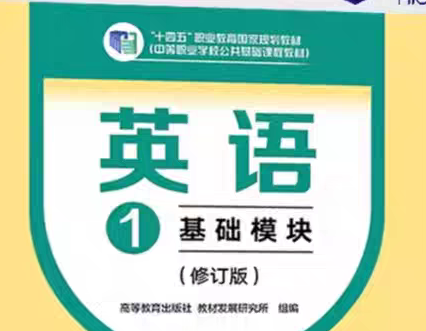
Unit 4 School Life(A卷·考点梳理卷)-《英语 基础模块1》(高教版2023版)《同步单元AB卷》(原卷版+解析版)
2025-07-08
|
2份
|
19页
|
92人阅读
|
1人下载
内容正文:
编写说明:本套【安徽专用】《同步单元AB卷》紧扣《英语 基础模块1》(高教版2023版)教材,以教材单元为基准精准覆盖核心考点,并紧密贴合安徽省真题题型。A卷为考点梳理卷,侧重考点分层突破;B卷为单元测试卷,强化综合能力检测,助力师生高效把握区域教学重点,提升应试能力与知识应用水平。
本卷是Unit 4 School Life的考点梳理卷,主要考查词汇、词组、句式句型和情景交际功能话题表达法。
Unit 4 School Life
A卷·考点梳理卷
考试时间:40分钟 满分:80分
班级 姓名 学号 成绩
【考点一:重点词汇】
一、词汇辨析1-10题(每小题2分,共20分)
1.She is a ______ writer and is ______ using complex sentence structures.
A. skilled in, skilled at B. skilled at, skilled in
C. skillful in, skilled with D. expert in, adept at
2. She was skilled in ________ tasty dishes.
A.prepare B.preparing C.to prepare D.prepared
3.The restaurant offers a ______ menu for children.
A.special B. especial C. specific D. particular
4.The teacher gave ______ attention to the students who needed help.
A. special B. especially C. specially D. especial
5.The decline in bee populations is ______ to the widespread use of pesticides in agriculture.
A. related B. relating C. relation D. relate
6.The new internship program emphasizes ______ learning through real-world projects and workshops.
A. hands-on B. handing C. hand D. handed
7.He doesn't have enough_______, while his brother is_________ in repairing cars.
A. experiences; experience , B. experiences; experienced
C.experience; experience D. experience; experienced
8.Many university students seek summer ______ to gain practical work experience before graduation.
A.intern B. internship C. interning D. interned
9.After completing her final exams, Mia chose to spend the afternoon at the spa enjoying a ______ massage.
A. relaxing B. relax C. relaxed D. relaxes
10.To improve her piano skills, Lisa dedicates 30 minutes every day to ______ scales and arpeggios.
A. practice B. practising C. practised D. practices
【考点二:语法(一般将来时)】
选择填空11-20题(每小题2分,共20分)
11.I wonder if your wife will go to the ball. If your wife ________, so ________ mine.
A.does; will B.will; does C.will; would D.does; do
12.— Do you know when she ________ back tomorrow?
— Sorry, I don’t. When she ________ back, I’ ll tell you.
A.comes, comes B.comes, will come
C.will come, comes D.will come, will come
13.If you ________ to college, you ________ a lot more.
A.will go; will learn B.will go; is going to learn
C.is going; is going to learn D.go; will learn
14.Look at those clouds. I am afraid it ________ soon.
A.is going to rain B.is raining C.will rain D.won’t rain
15.— Let’s play football.
— ________.
A.You are welcome B.Thank you C.That sounds good D.Yes, we do
16.The appearance of AI _______ the way people learn about things in the future.
A.changes B.changed C.has changed D.will change
17.Do you know ______ during the coming summer holiday?
A.what will Tom do B.what did Tom do
C.what Tom will do D.what Tom did
18.There ________ a sports meeting in our school next week.
A.is going to have B.will have C.is going to be D.are going to be
19.We ________ a new project next week.
A.will start B.starts C.started D.starting
20.He ________ his friends to his house next week.
A.invites B.will invite C.invited D.has invited
【考点三:情景交际功能表达法(学校生活)】
21.— Let’s play football.
— ________.
A.You are welcome B.Thank you
C.That sounds good D.Yes, we do
22.— Reading a good book can make me happy.
— ________. It also helps me a lot.
A. I don’t think so B.My pleasure
C.Not at all D.I agree
23.— I failed my French exam.
— ________.
A. You are lucky B.I’m sorry to hear that
C.Well done D.That’s fine
24.— Excuse me, my laptop won’t turn on.
— ________ Let me check the power connection first.
A.Not my fault. B.What seems to be the problem?
C.What a shame! D.Let me plug it into another outlet.
25.— Jane and I ________ a picnic this Sunday. Would you like to come with us?
— Sure. See you then.
A.had B.have had C.were having D.are going to have
26.— Tim, do you know ________ the art festival?
— Sure! Next Friday.
A. when did we hold B.when we held
C.when will we hold D.when we will hold
27.— Lisa, can you tell me ________ next weekend?
— We will go to Guangyuan Museum.
A.where will you volunteer B.where you volunteered
C.where you will volunteer D.where did you volunteer
28.— Do you think it will be sunny tomorrow?
— ________. It has been raining for a week.
A.I hope so B.I agree
C.I’m sorry D.I don’t mind
29.— I missed the beginning of the football match yesterday evening.
— ________! But you can watch the re-play tonight.
A.Try your best B.I don’t think so C.What a pity D.Hurry up
30.— I don’t think that I can do well in the running race. I might make my classmates upset.
— ________. You don’t need to push yourself too hard.
A.Good job B.No way C.It’s a pleasure D.Take it easy
【考点四:重点词组、句式和句型】
汉译英31-35题(每小题4分,共20分)
31.无怪乎在上个世纪里,流行音乐已经发展到令人吃惊的程度。
32.实习生们将完成三个月的实习任务。
33.既然你已经决定了,我就不再多说了。
34.我已经读过这本有趣的书了。
35.我一到机场就给你打电话。
原创精品资源学科网独家享有版权,侵权必究!
学科网(北京)股份有限公司
学科网(北京)股份有限公司
$$
编写说明:本套【安徽专用】《同步单元AB卷》紧扣《英语 基础模块1》(高教版2023版)教材,以教材单元为基准精准覆盖核心考点,并紧密贴合安徽省真题题型。A卷为考点梳理卷,侧重考点分层突破;B卷为单元测试卷,强化综合能力检测,助力师生高效把握区域教学重点,提升应试能力与知识应用水平。
本卷是Unit 4 School Life的考点梳理卷,主要考查词汇、词组、句式句型和情景交际功能话题表达法。
Unit 4 School Life
A卷·考点梳理卷
考试时间:40分钟 满分:80分
班级 姓名 学号 成绩
【考点一:重点词汇】
一、词汇辨析1-10题(每小题2分,共20分)
1.She is a ______ writer and is ______ using complex sentence structures.
A. skilled in, skilled at B. skilled at, skilled in
C. skillful in, skilled with D. expert in, adept at
【答案】A
【详解】考查固定短语辨析。句意:她是一名______作家,正在______使用复杂的句子结构。skilled in用于描述对领域、学科或系统性技能的掌握,后接名词或动名词。skilled at强调对具体行为、任务或操作的擅长,后接名词或动名词。skilled with通常用于描述对工具、手段或身体部位的熟练使用,后接名词。第一空描述对“写作领域”的掌握,用skilled in。第二空强调“使用复杂句式”这一具体技能,用skilled at。故选A。
2. She was skilled in ________ tasty dishes.
A.prepare B.preparing C.to prepare D.prepared
【答案】C
【详解】考查固定搭配。句意:她擅长准备美味的菜肴。短语“skilled in”需要在介词“in”后跟一个名词或动名词形式。在这里,“准备”作为动名词,用作名词来表示她擅长的活动。A.prepare(错误):动词的基本形式不能跟在介词后面。B.preparing(正确):动名词形式符合介词“in”后的语法要求。C. to prepare(错误):不定式形式不适合介词“in”后面使用。D.prepared(错误)。
3.The restaurant offers a ______ menu for children.
A.special B. especial C. specific D. particular
【答案】A
【详解】本题考查形容词辨析。句意:餐厅为儿童提供______菜单。special 表示“特别的”,常用于描述针对特定群体的定制服务(如儿童菜单)。especial(极少用)与 particular 强调“独特的”,但 specific 表示“具体的”,不符合语境。故选A。
4.The teacher gave ______ attention to the students who needed help.
A. special B. especially C. specially D. especial
【答案】C
【详解】本题考查副词词辨析。句意:老师______关注需要帮助的学生。需副词修饰动词 gave,specially 表示“特意地”。special(形容词)和 especial(形容词)无法直接修饰动词。故选C。
5.The decline in bee populations is ______ to the widespread use of pesticides in agriculture.
A. related B. relating C. relation D. relate
【答案】A
【详解】本题考查形容词辨析。句意:蜜蜂数量的下降______是由于农业中广泛使用杀虫剂。A. related(形容词):表示"相关的",符合句意"蜜蜂数量下降与农药使用相关"。B. relating(现在分词):需与"be"搭配构成现在进行时(如 is relating),但此处需形容词作表语。C. relation(名词):意为"关系",但句子缺少介词(如 in relation to),语法不匹配。D. relate(动词原形):需与"to"搭配(relate to),但句中已有谓语动词 is,无法直接使用动词原形。
6.The new internship program emphasizes ______ learning through real-world projects and workshops.
A. hands-on B. handing C. hand D. handed
【答案】A
【详解】本题考查形容词辨析。句意:新的实习项目强调______通过实际项目和研讨会学习。A. hands-on(形容词短语):表示"实践的、亲自动手的",符合句意"实习项目强调通过实际项目和研讨会进行实践学习"。B. handing(现在分词):需与"be"搭配构成进行时态(如 is handing),但此处需形容词修饰名词 learning。C. hand(名词/动词原形):作为名词时意为"手",作为动词时意为"传递",均无法直接修饰 learning。D. handed(过去分词):通常用于被动语态(如 was handed),但此处需主动形式的形容词。
7.He doesn't have enough_______, while his brother is_________ in repairing cars.
A. experiences; experience , B. experiences; experienced
C.experience; experience D. experience; experienced
【答案】D
【详解】本题考查名词辨析。句意:他没有足够的______,而他的兄弟________在修理汽车。“enough”是形容词,后接名词。“experience”作为不可数名词时,表示“经验”;“experiences”是可数名词,表示“经历”。结合语境“没有足够的……”,此处应指“经验不足”,故第一个空格填 experience(不可数名词)。“experienced”是过去分词,意为“有经验的”,符合“be experienced in”(在……方面有经验)的固定搭配。因此第二个空格填 experienced。故选D。
8.Many university students seek summer ______ to gain practical work experience before graduation.
A.intern B. internship C. interning D. interned
【答案】B
【详解】本题考查名词辨析。句意:很多大学生在毕业前都通过暑期______来获得实际工作经验。固定搭配 seek an internship 表示"寻求实习机会",强调通过正式项目获得经验。A. intern(名词/动词):作为名词时意为"实习生",作为动词时意为"实习",但句子需要名词表示"实习机会",且需与量词搭配(如 an intern)。B. internship(名词):表示"实习期/实习职位",符合句意"学生寻求暑期实习以获得工作经验"。C. interning(现在分词):需与"be"搭配构成进行时态(如 is interning),但此处需名词作宾语。D. interned(过去分词):通常用于被动语态(如 was interned),但此处需主动形式的名词。
9.After completing her final exams, Mia chose to spend the afternoon at the spa enjoying a ______ massage.
A. relaxing B. relax C. relaxed D. relaxes
【答案】A
【详解】本题考查形容词辨析。句意:在完成期末考试后,米娅选择在下午去水疗中心享受______按摩。A. relaxing(形容词):表示"令人放松的",用于描述事物或活动的性质,符合句意"享受令人放松的按摩"。B. relax(动词原形):需与介词或副词搭配(如 relax by the pool),无法直接修饰名词 massage。C. relaxed(形容词):描述人的感受(如 I feel relaxed),但此处需描述按摩本身的性质。D. relaxes(第三人称单数动词):需与主语搭配(如 She relaxes),语法不匹配。
10.To improve her piano skills, Lisa dedicates 30 minutes every day to ______ scales and arpeggios.
A. practice B. practising C. practised D. practices
【答案】B
【详解】本题考查动词辨析。句意:为了提高她的钢琴技能,丽莎每天花30分钟学习______音阶和琶音。A. practice(名词/动词原形):作为名词时意为"练习",但句中需动词形式与 to 搭配(dedicate to doing)。B. practising(现在分词):符合语法结构 dedicate to doing,表示"致力于练习",其中 to 为介词,后接动名词。C. practised(过去分词):通常用于被动语态(如 was practised),但此处需主动形式。D. practices(第三人称单数动词):需与主语搭配(如 She practices),语法不匹配。
【考点二:语法(一般将来时)】
选择填空11-20题(每小题2分,共20分)
11.I wonder if your wife will go to the ball. If your wife ________, so ________ mine.
A.does; will B.will; does C.will; would D.does; do
【答案】A
【详解】考查条件状语从句和倒装句。句意:我想知道你妻子是否会去参加舞会。如果你的妻子去,我的妻子也会去。第一空,if引导条件状语从句,遵循“主将从现”原则,从句用一般现在时,主语“your wife”是第三人称单数,用“does”代替“goes to the ball”;第二空,“so + 助动词 + 主语”表“……也一样”,此处主句用一般将来时,助动词用“will”。故选A。
12.— Do you know when she ________ back tomorrow?
— Sorry, I don’t. When she ________ back, I’ ll tell you.
A.comes, comes B.comes, will come
C.will come, comes D.will come, will come
【答案】C
【详解】考查时态。句意:——你知道她明天什么时候回来吗?——对不起,我不知道。当她回来时,我会告诉你。第一个空,know后面跟的是宾语从句,根据主句“Do you know”是一般现在时及从句时间状语tomorrow可知,从句表将来的动作,应用一般将来时,故填will come;第二个空,when引导的是时间状语从句,主句“I’ ll tell you”为一般将来时,在时间状语从句中遵循主将从现的原则,所以从句中应该用一般现在时表将来,主语she是三单,所以填comes。故选C。
13.If you ________ to college, you ________ a lot more.
A.will go; will learn B.will go; is going to learn
C.is going; is going to learn D.go; will learn
【答案】D
【详解】考查一般现在时和一般将来时。句意:如果他上大学,他会学到更多。分析句子结构可知,本句为if引导的条件状语从句,表将来的情况,遵循“主将从现”的原则,第一空:用一般现在时,主语为you,谓语动词用go;第二空:用一般将来时(will+动词原形),即will learn。故选B。
14.Look at those clouds. I am afraid it ________ soon.
A.is going to rain B.is raining C.will rain D.won’t rain
【答案】A
【详解】考查一般将来时。句意:看那些云,恐怕很快就要下雨了。根据“Look at those clouds.”及“soon”可知,看到乌云通常预示着即将下雨,应用一般将来时,可用“is going to rain”表示根据云的迹象推测马上要下雨。而“will+动词原形”通常表示单纯的将来,没有明显的迹象预示。故选A。
15.— Let’s play football.
— ________.
A.You are welcome B.Thank you C.That sounds good D.Yes, we do
【答案】C
【详解】考查情景交际。句意:——让我们去踢足球把。——听起来不错。A. You are welcome不客气;B. Thank you谢谢你;C. That sounds good听起来不错;D. Yes, we do是的,我们一起。根据前句“Let’s play football.” 可知,此处在提议去踢足球,回应提议时,“That sounds good”意为“听起来不错”可以用于回应提议。故选C。
16.The appearance of AI _______ the way people learn about things in the future.
A.changes B.changed C.has changed D.will change
【答案】D
【详解】考查一般将来时。句意:人工智能的出现将改变人们未来学习事物的方式。根据时间状语“in the future”可知,此句需用一般将来时,即“will + 动词原形”。故选D。
17.Do you know ______ during the coming summer holiday?
A.what will Tom do B.what did Tom do
C.what Tom will do D.what Tom did
【答案】C
【详解】考查宾语从句。句意:你知道汤姆在即将到来的暑假期间会做些什么吗?分析句子可知,空处是一个宾语从句,宾语从句需要用陈述句语序,即“连接词+主语+谓语+其他”;主句“Do you know”为一般现在时,从句根据实际需要用适当的时态,根据 the coming summer holiday 可知,从句用一般将来时(will do)。选 C。
18.There ________ a sports meeting in our school next week.
A.is going to have B.will have C.is going to be D.are going to be
【答案】C
【详解】考查there be句型的时态。句意:下周我们学校将举行一次运动会。分析句子,根据时间状语next week可知,这是there be句型的一般将来时,结构为“there will be”或者“there is/are going to be”。故选C。
19.We ________ a new project next week.
A.will start B.starts C.started D.starting
【答案】A
【详解】考查时态。句意:下周我们将开始一个新项目。根据时间状语next week可知,句子时态是一般将来时,应用will start。故选A。
20.He ________ his friends to his house next week.
A.invites B.will invite C.invited D.has invited
【答案】B
【详解】考查一般将来时。句意:他下周会邀请他的朋友们去他家。根据句中“next week”可知,是一般将来时的标志性时间状语,表明动作发生在将来,应用一般将来时(will do)。故选B。
【考点三:情景交际功能表达法(学校生活)】
21.— Let’s play football.
— ________.
A.You are welcome B.Thank you
C.That sounds good D.Yes, we do
【答案】C
【详解】考查情景交际。句意:——让我们去踢足球把。——听起来不错。A. You are welcome不客气;B. Thank you谢谢你;C. That sounds good听起来不错;D. Yes, we do是的,我们一起。根据前句“Let’s play football.” 可知,此处在提议去踢足球,回应提议时,“That sounds good”意为“听起来不错”可以用于回应提议。故选C。
22.— Reading a good book can make me happy.
— ________. It also helps me a lot.
A. I don’t think so B.My pleasure
C.Not at all D.I agree
【答案】D
【详解】考查情景交际。句意:——读一本好书可以让我开心。——我同意。它也能帮助我们很多。A. I don’t think so我不这样认为;B. My pleasure不客气;C. Not at all没关系;D. I agree我同意。根据“It also helps me a lot.”可知,此处是同意对方的看法。故选D。
23.— I failed my French exam.
— ________.
A. You are lucky B.I’m sorry to hear that
C.Well done D.That’s fine
【答案】B
【详解】考查情景交际。句意:——我法语考试不及格。——听到这个消息我很遗憾。A. You are lucky你很幸运;B. I’m sorry to hear that听到这个消息我很遗憾;C. Well done干得好;D. That’s fine那很好。根据“I failed my French exam.”可知,此处对方说法语考试不及格,应表达同情和遗憾。故选B。
24.— Excuse me, my laptop won’t turn on.
— ________ Let me check the power connection first.
A.Not my fault. B.What seems to be the problem?
C.What a shame! D.Let me plug it into another outlet.
【答案】D
【详解】考查情景交际。句意:——打扰一下,我的笔记本电脑打不开了。——让我把它插到另一个插座上。让我先检查一下电源连接。A. Not my fault不是我的错;B. What seems to be the problem似乎有什么问题吗;C. What a shame太遗憾了;D. Let me plug it into another outlet我把它插到另一个插座上。根据“Let me check the power connection first.”可知,先检查电源,所以换个插座插上试试电,D选项符合流程。故选D。
25.— Jane and I ________ a picnic this Sunday. Would you like to come with us?
— Sure. See you then.
A.had B.have had C.were having D.are going to have
【答案】D
【详解】考查一般将来时。句意:——这个星期天,简和我打算去野餐。你愿意和我们一起去吗?——当然。根据“this Sunday”可知,这个星期天要去野餐,事情发生在将来,时态是一般将来时,结构是“will do”或“be doing to do”,主语“Jane and I”为复数,所以“be”动词为“are”,即“are going to have”。故选D。
26.— Tim, do you know ________ the art festival?
— Sure! Next Friday.
A. when did we hold B.when we held
C.when will we hold D.when we will hold
【答案】D
【详解】考查名词性从句和时态。句意:——Tim,你知道我们什么时候举办艺术节吗?——当然知道!下个星期五。分析句子结构及选项可知,空处为宾语从句,宾语从句要用陈述语序,根据时间状语“next Friday”可知,句子时态为一般将来时。故选D。
27.— Lisa, can you tell me ________ next weekend?
— We will go to Guangyuan Museum.
A.where will you volunteer B.where you volunteered
C.where you will volunteer D.where did you volunteer
【答案】C
【详解】考查宾语从句和时态。句意:——Lisa,你能告诉我下周末你们将在哪里做志愿者吗?——我们将去广元博物馆。分析句子结构及选项可知,空处为宾语从句,宾语从句要用陈述语序,根据时间状语“next weekend”可知,句子时态为一般将来时。故选C。
28.— Do you think it will be sunny tomorrow?
— ________. It has been raining for a week.
A.I hope so B.I agree
C.I’m sorry D.I don’t mind
【答案】A
【详解】考查情景交际。句意:——你认为明天会是晴天吗?——我希望如此。雨已经下了一个星期了。A. I hope so我希望如此;B. I agree我同意;C. I’m sorry我很抱歉;D. I don’t mind我不介意。根据答句中“It has been raining for a week.”可知,已经下了一周雨,期待明天晴天,“I hope so”意为“我希望如此”,常用来表达对某事的期待,符合语境。故选A。
29.— I missed the beginning of the football match yesterday evening.
— ________! But you can watch the re-play tonight.
A.Try your best B.I don’t think so C.What a pity D.Hurry up
【答案】C
【详解】考查情景交际。句意:——昨天晚上我错过了足球比赛的开头。——多么遗憾!但是你可以今天晚上看回放。A. Try your best尽你的最大努力吧;B. I don’t think so我不那样认为;C. What a pity多么遗憾;D. Hurry up快点。根据“I missed the beginning of the football match yesterday evening. ”可知,错过了精彩的比赛开头,此处应该表示遗憾。C选项符合语境。故选C。
30.— I don’t think that I can do well in the running race. I might make my classmates upset.
— ________. You don’t need to push yourself too hard.
A.Good job B.No way C.It’s a pleasure D.Take it easy
【答案】D
【详解】考查情景交际。句意:——我觉得我不能在赛跑中取得好成绩,我可能会让我的同学不高兴。——别紧张,你不需要把自己逼得太紧。A. Good job做得好;B. No way没门;C. It’s a pleasure我的荣幸;D. Take it easy别紧张。根据“You don’t need to push yourself too hard.”可知,此时在安慰对方,D选项符合语境。故选D。
【考点四:重点词组、句式和句型】
汉译英31-35题(每小题4分,共20分)
31.无怪乎在上个世纪里,流行音乐已经发展到令人吃惊的程度。
【答案】No wonder that pop music has developed to an astonishing degree in the last century.
【详解】考查现在完成时及宾语从句。分析句子结合可知,这是一个含有宾语从句的主从复合句,且此句时态为现在完成时。无怪乎:no wonder;在上个世纪里:in the last century;流行音乐:pop music;已经发展:has developed;到令人吃惊的程度:an astonishing degree。故本句译为:No wonder that pop music has developed to an astonishing degree in the last century.
32.实习生们将完成三个月的实习任务。
【答案】The interns will complete a three-month internship task.
【详解】考查陈述句和时态。根据句意及“。”可知,这是一个一般将来时的陈述句。实习生们:The interns,作主语;将完成:will complete,由“助动词+动词原形”构成一般将来时结构,作谓语;三个月的实习任务:a three-month internship task,作宾语,复合形容词“three-month”作定语。故本句译为:The interns will complete a three-month internship task.
33.既然你已经决定了,我就不再多说了。
【答案】Since/Now that you have already made a decision, I won’t say more.
【详解】考查原因状语从句。既然:Since/Now that,从属连词引导的原因状语从句;你:you,作从句主语;已经决定了:have already made ,作谓语,现在完成时;决定:a decision,名词短语作宾语;主句中,我:I,作主句主语;就不再多说了:won’t say more,作主句谓语和宾语。故本句译为:Since/Now that you have already made a decision, I won’t say more.
34.我已经读过这本有趣的书了。
【答案】I have already read this interesting book.
【详解】考查现在完成时和陈述句。根据“。”可知,这是一个陈述句。我:I,作主语;已经:already,副词作状语;读过:have read,“助动词+过去分词”构成复合谓语,现在完成时;这本有趣的书:this interesting book,作宾语,其中形容词“interesting”作定语。故本句译为:I have already read this interesting book.
35.我一到机场就给你打电话。
【答案】I will call you as soon as I get to the airport.
【详解】考查时间状语从句。根据“。”和“一……就……”可知,这是一个含有时间状语从句的复合句。根据句意可知,描述的将来的情况,主句用一般将来时,从句用一般现在时表将来,遵循“主将从现”时态原则。一……就……:as soon as,引导时间状语从句;我:I,作从句主语;到达机场:get to the airport,作从句谓语和宾语,一般现在时。我:I,作主句主语;就给你打电话:will call you,作主句谓语和宾语,由“助动词+动词原形”构成复合谓语;故本句译为:I will call you as soon as I get to the airport.
原创精品资源学科网独家享有版权,侵权必究!
学科网(北京)股份有限公司
学科网(北京)股份有限公司
$$
资源预览图

1

2

3
由于学科网是一个信息分享及获取的平台,不确保部分用户上传资料的 来源及知识产权归属。如您发现相关资料侵犯您的合法权益,请联系学科网,我们核实后将及时进行处理。