Unit13 必背知识清单 2023-2024学年人教版英语九年级全册
2025-02-28
|
3页
|
132人阅读
|
4人下载
普通
资源信息
| 学段 | 初中 |
|---|---|
| 学科 | 英语 |
| 教材版本 | 初中英语人教版(2012)九年级全册 |
| 年级 | 九年级 |
| 章节 | Unit 13 We're trying to save the earth! |
| 类型 | 教案-讲义 |
| 知识点 | - |
| 使用场景 | 同步教学-新授课 |
| 学年 | 2023-2024 |
| 地区(省份) | 全国 |
| 地区(市) | - |
| 地区(区县) | - |
| 文件格式 | DOCX |
| 文件大小 | 31 KB |
| 发布时间 | 2025-02-28 |
| 更新时间 | 2025-02-28 |
| 作者 | 匿名 |
| 品牌系列 | - |
| 审核时间 | 2025-02-28 |
| 下载链接 | https://m.zxxk.com/soft/50723774.html |
| 价格 | 0.50储值(1储值=1元) |
| 来源 | 学科网 |
内容正文:
Unit13 必背知识清单2023-2024学年人教版英语九年级
一、重点词组
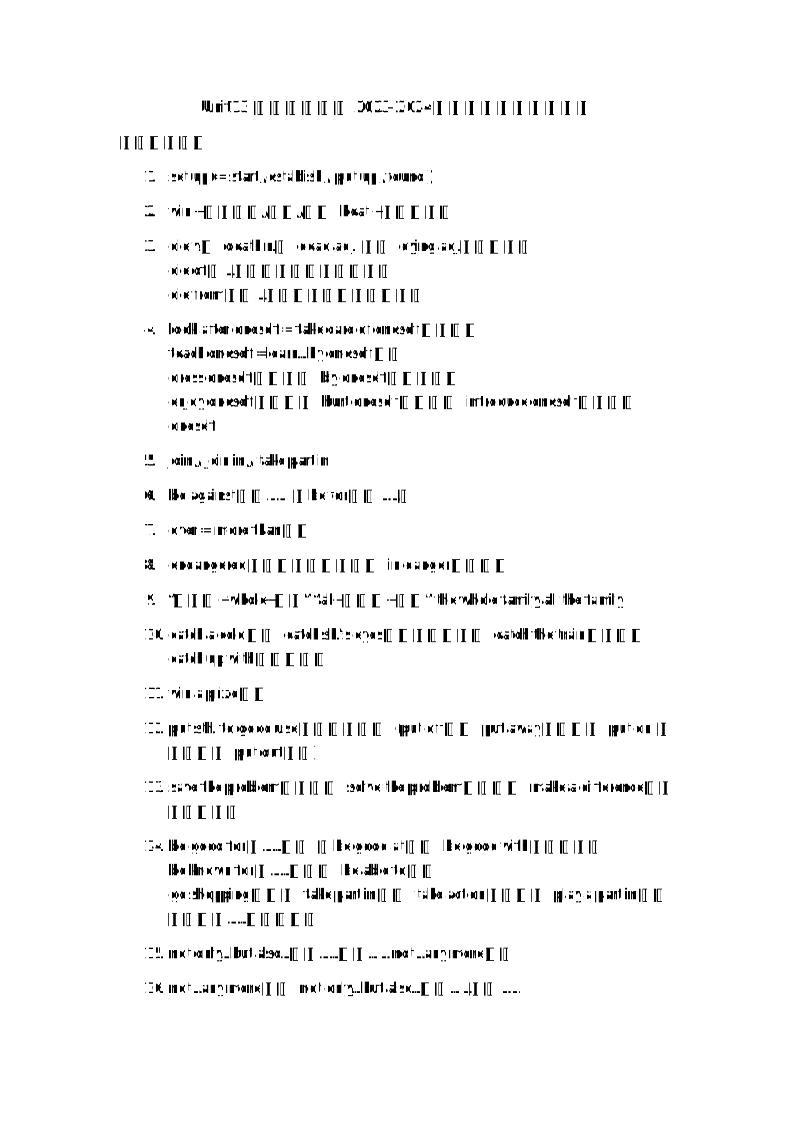
1. set up (= start /establish / put up /found )
2. win +比赛项目/奖品/战争 beat +战胜的对手
3. die v.死 death n.死 dead adj. 死的 dying adj.奄奄一息的
die of因…而死(死因多来自内部)
die from由于…而死(原因多来自外部)
4. look after oneself = take care of oneself照顾自己
teach oneself =learn…by oneself自学
dress oneself自己穿衣 by oneself靠某人自己
enjoy oneself玩得开心 hurt oneself伤害自己 introduce oneself自我介绍
oneself
5. join / join in / take part in
6. be against反对…… (be for支持……)
7. over = more than超过
8. endangered濒危的;濒临灭绝的 in danger在危险中
9. “限定词+whole+名词” “all+限定词+名词” the whole family all the family
10. catch a cold感冒 catch sb.’s eyes引起某人得注意 catch the train赶上火车 catch up with赶上;跟上
11. win a prize获奖
12. put sth. to good use好好利用某物 (put off推迟 put away收拾起来 put on 穿上;上演 put out熄灭)
13. save the problem解决问题 solve the problem解决问题 make a difference起作用;有影响
14. be good for对……有益 (be good at擅长 be good with善于应付)
be known for因……而闻名 be able to能够
go shopping去购物 take part in参加 take action采取行动 play a part in参与某事;在……方面起作用
15. not only…but also…不但……而且…… not…any more不再
16. not…any more不再 not only…but also…不但……而且……
17. in the ocean’s ecosysterm在海洋生态系统 worse and worse越来越糟
18. noise pollution噪音污染 advantages and disadvantages优点和缺点
二、重点语法
1. taking your own bags when shopping 购物时自带购物袋
2. be an inspiration to sb.对某人来说是一个鼓舞人心的人/物
3. be harmful to sb./sth.对某人/某物有害
4. lead to (道路)等通往……;引起(结果等) (lead sb. to do sth.致使/诱惑某人做某事)
lead sb. to some place带领某人去某地
5. remember to do sth.记得去做某事 (remember doing sth.记得做过某事)
6. play a part in doing sth.参加做某事 start doing sth.开始做某事 by doing sth.通过做某事
be good at doing sth.擅长做某事
7. try to do sth.尽力做某事 used to do sth.过去常常做某事 plan to do sth.计划做某事
need to do sth.需要做某事 hope to do sth.希望做某事
afford to do sth.承担得起做某事 can’t afford to do sth.担负不起做某事
三、被动语态
1. 被动语态的结构:
被动语态的基本结构是: 主语 + be(动词的适当形式) + 过去分词 + (by + 执行者)
主语是动作的承受者。
be动词的形式根据时态来变化。
过去分词表示动作的完成。
by + 执行者(可有可无,表示动作的执行者,一般在需要强调执行者时才使用)。
2. 被动语态的时态:
被动语态的时态是根据be动词的时态来决定的。下面是几个常见时态的被动语态构成:
一般现在时:
am/is/are + 过去分词
e.g. The book is read by many people.(这本书被许多人阅读。)
一般过去时:
was/were + 过去分词
e.g. The homework was finished by him.(作业被他完成了。)
现在进行时:
am/is/are + being + 过去分词
e.g. The work is being done.(工作正在进行。)
过去进行时:
was/were + being + 过去分词
e.g. The car was being repaired when I arrived.(我到达时,车正在被修理。)
现在完成时:
has/have + been + 过去分词
e.g. The letter has been sent.(信已经被寄出。)
过去完成时:
had + been + 过去分词
e.g. The house had been sold before we arrived.(我们到达之前,房子已经卖掉了。)
3. 什么时候使用被动语态?
当我们想强调动作的承受者(而不是执行者)时,通常使用被动语态。
当执行者不重要或不知名时,使用被动语态。例如:
e.g. The law was passed last week.(法律上周被通过了。)——这里不强调是谁通过了法律。
学科网(北京)股份有限公司
$$
资源预览图
1
相关资源
由于学科网是一个信息分享及获取的平台,不确保部分用户上传资料的 来源及知识产权归属。如您发现相关资料侵犯您的合法权益,请联系学科网,我们核实后将及时进行处理。