全册Reading plus 知识点 2024-2025学年人教版英语七年级上册
2024-12-23
|
11页
|
1101人阅读
|
12人下载
普通
资源信息
| 学段 | 初中 |
|---|---|
| 学科 | 英语 |
| 教材版本 | 初中英语人教版七年级上册 |
| 年级 | 七年级 |
| 章节 | - |
| 类型 | 学案-知识清单 |
| 知识点 | - |
| 使用场景 | 同步教学-期末 |
| 学年 | 2024-2025 |
| 地区(省份) | 全国 |
| 地区(市) | - |
| 地区(区县) | - |
| 文件格式 | DOCX |
| 文件大小 | 37 KB |
| 发布时间 | 2024-12-23 |
| 更新时间 | 2024-12-23 |
| 作者 | 广飞4131 |
| 品牌系列 | - |
| 审核时间 | 2024-12-23 |
| 下载链接 | https://m.zxxk.com/soft/49512865.html |
| 价格 | 2.00储值(1储值=1元) |
| 来源 | 学科网 |
内容正文:
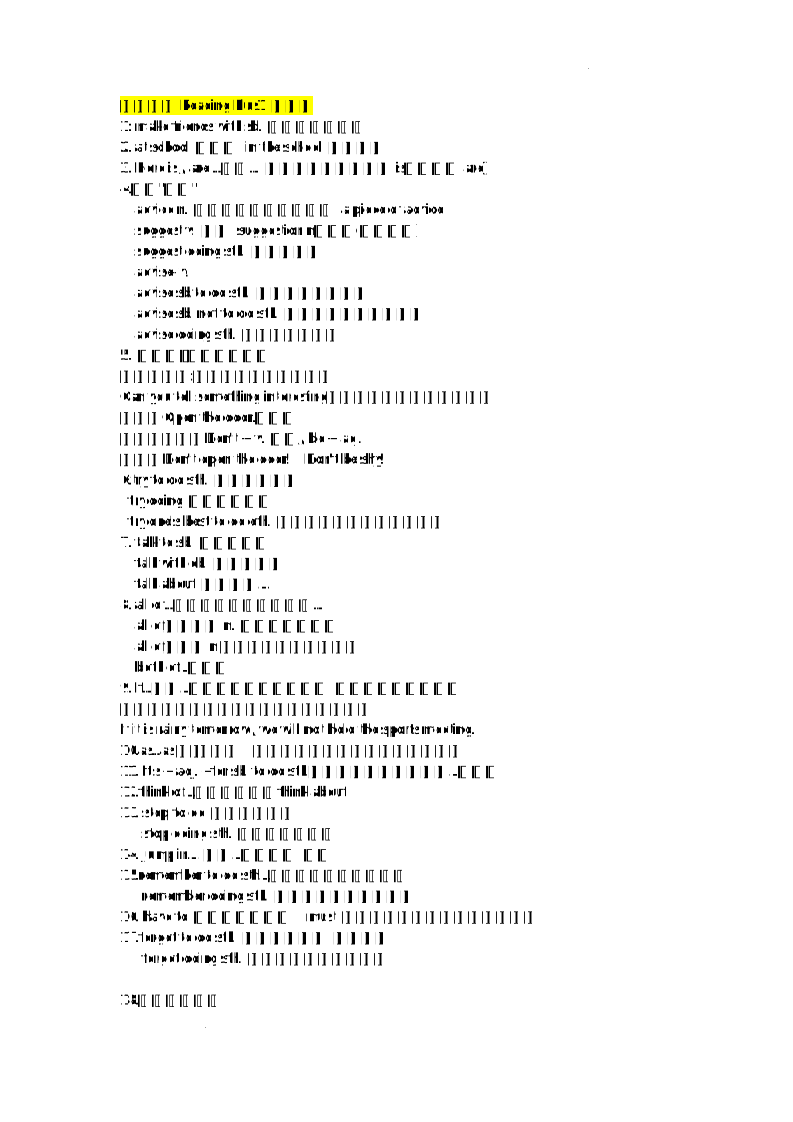
第一单元Reading Plus1 知识点
1: make friends with sb. 和某人做朋友.
2. at school 在学校 in the school 在学校里
3. Here is / are …这是… (后面的名词单数用is、复数用are)
4.关于"建议"
advice n. 不可数名词,一条建议 a piece of advice
suggest v. 建议 suggestion n.建议(可数名词)
suggest doing sth. 建议做某事
advise-v.
advise sb.to do sth. 建议某人去做某事
advise sb. not to do sth. 建议某人不要去做某事
advise doing sth. 建议某人做某事
5. 祈使句:(其中一种)
肯定祈使句:动词原形开头+其他。
Can you tell something interesting?你能讲些有趣的事情吗?
例子:Open the door..开门
否定祈使句:Don't + v. 原形/ be + adj.
例子:Don't open the door! Don't be shy!
6.try to do sth. 试图去做某事
try doing 尝试去做某事
try one's best to do eth. 尽某人最大努力去做某事.
7. talk to sb. 对某人交谈
talk with eb. 和某人谈话
talk about 谈论关于…
8. all of…三者及三者以上全部都…
all of+不可数n. 谓语动词用单数
all of+可数n复数,谓语动词用复数
both of…两者都
9. If…如果…(引导条件状语从句) 主要考点:主将从现
主句是一般将来时,从句为一般现在时。
If it is rainy tomorrow , we will not hold the sports meeting.
10.as…as和..一样 两个词中间加形容词或副词的原形
11. It's + adj. +for sb. to do sth.对某人来说,做某事是…样的。
12.think of…思考,考虑=think about
13. stop to do 停止去做某事
stop doing sth. 停止正在做的事
14. jump in… 跳进…/加入, 插话
15.remember to do sth…记得去做某事(未做)
remember doing sth. 记得做过某事(已做)
16. have to 不得不(客观) must 必须(主观)后面都接动词原形
17.forget to do sth. 忘记去做某事 (未做)
forget doing sth. 忘记做过某事(已做)
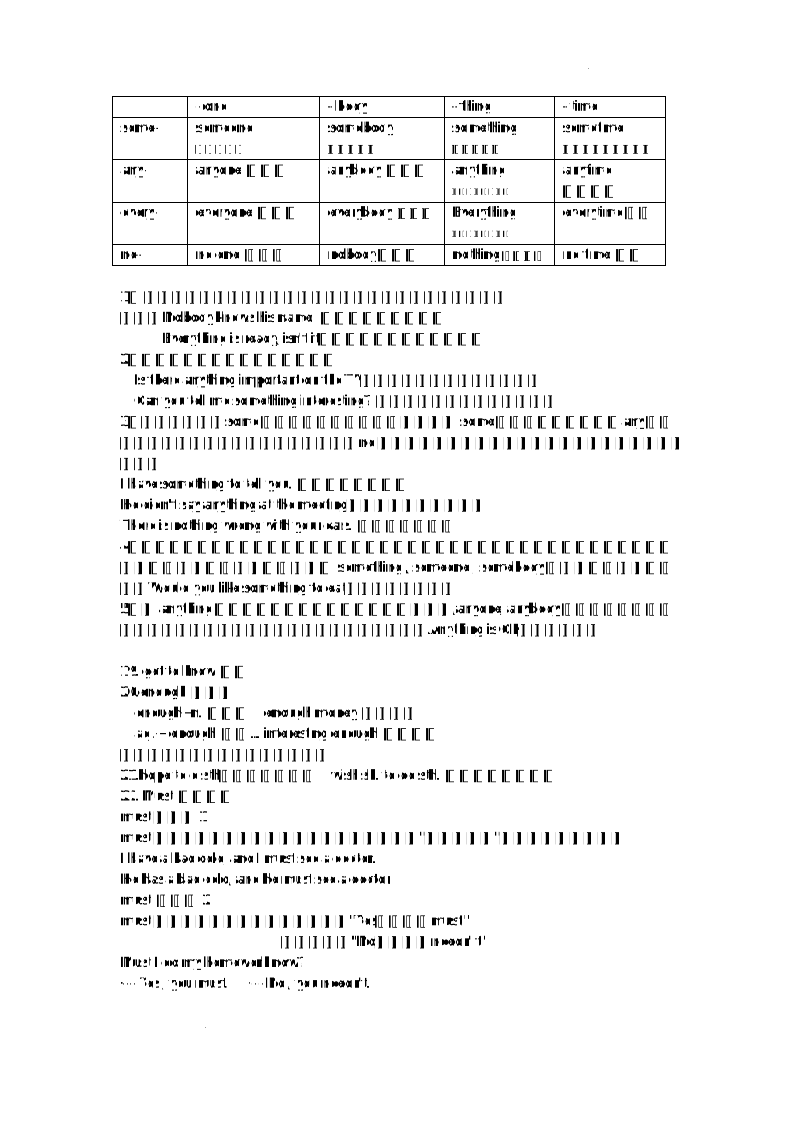
18.复合不定代词
-one
-body
-thing
-time
some-
someone
有人/某人
somebody
有人/某人
something
某事/某物
sometime
改元,来日,有时候
any-
anyone 任何人
anybody 任何人
anything
任何事;任何东西
anytime
任何时候
every-
everyone 每个人
everybody 每个人
Everything
每件事;所有事情
everytime每次
no-
no one 没有人
nobody没有人
nothing没有什么
no time 无时
1、 复合不定代词在句子中作主语时,谓语动词一般用单数形式
例如:Nobody knows his name. 没人知道他的名字。
Everything is ready, isn't it?一切都准备好了,是吗?
2.不定代词的定语要后置。例如:
Is there anything important on the TV?电视上有什么重要新闻吗?
Can you tell me something interesting? 你能给我讲些有趣的事情吗?
3.一般情况下,some构成的复合不定代词,其作用和some相同,用于肯定句,any构成的复合不定代词用于否定句或疑问句,no构成的复合不定代词表示否定含义,用于否定句。例如:
I have something to tell you. 我有事要告诉你。
He didn't say anything at the meeting.他在会上没有发言。
There is nothing wrong with your ears. 你耳朵没毛病。
4、在表示请求、邀请、提建议等带有委婉语气的疑问句,和希望得到对方肯定答复的疑问句,以及表示反问的问句中,也用something , someone , somebody等复合不定代词,例如:Would you like something to eat?要吃些东西吗?
5.当anything表示:任何事(物)/无论何事(物),anyone, anybody表示:无论谁/任何人等意义时,它们也可以用于肯定句中,例如:Anything is OK.一切都好。
19. get to know 得知
20.enough 足够的
enough+n. 足够的 enough money 足够的钱
adj.+ enough 足够… interesting enough 足够有趣
(注意形容词和名词的位置不同)
21.hope to d sth,希望去做某事 wish sb. to do sth. 希望某人去做某事
22. Must 的用法:
must的用法1
must情态动词,表示义务,命令或必要性。意思"应该、必须",后面加动词原形。
I have a bad cold, and I must see a doctor.
He has a bad cold, and he must see a doctor.
must 的用法2
must提问的一般疑问句,肯定回答:"Yes,主语+must."
否定回答:"No,主语+needn' t"
Must I do my homework now?
·--Yes , you must. ·--No , you needn't.
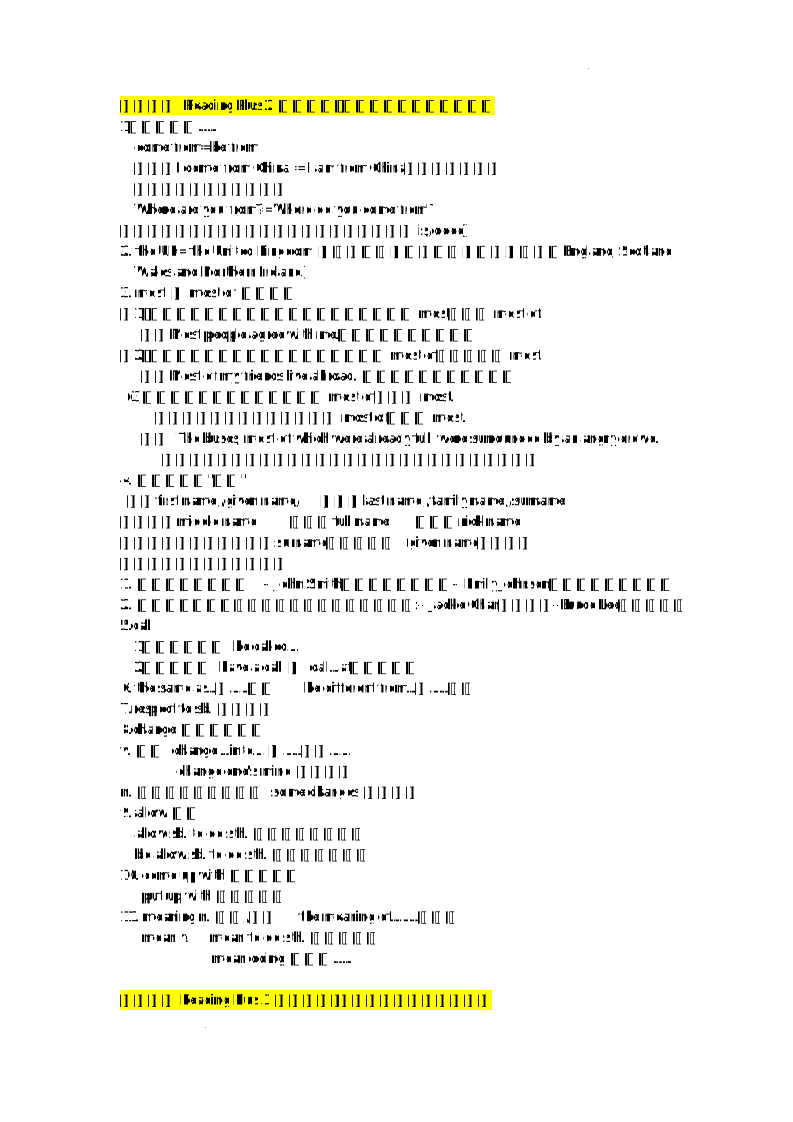
第二单元 Reading Plus 2 知识点汇:(按照文章出现的顺序)
1.某人来自……
come from=be from
例子:I come from China. = I am from China.我来自中国。
询问对方来自哪个国家:
Where are you from?=Where do you come from?
(如果主语是单数第三人称,记得变相应的动词is/doee)
2. the UK= the United Kingdom 大不列颠及北爱尔兰联合王国(包含:England, Scotland, Wales and Northern Ireland.)
3. most 和most of 的区别:
(1).若所修饰的名词前没有限定词,通常要用most,不用most of.
如:Most people agree with me.多数人同意我的意见。
(2).若所修饰的名词前带有限定词,则用most of,不能只用most.
如:Most of my friends live abroad. 我的朋大多数住在国外。
(3).若直接用在代词之前,要用most of,不用most.
注意,在关系代词前也只能用most of,不用most.
如: The buses, most of which were already full, were surrounded by an angry crowd.
公共汽车大多数都已经挤满了人,它们被愤怒的人群包围着。
4. 英文中关于"名字"
名:first name /given name/ 姓氏:last name /family name /surname
中间名:middle name 全名:full name 绰号:nick name
在英语中,一般把姓氏(surname)放在名字 (given name)之前。
以下是几种常见表达方式:
1. 姓在前,名在后: - John Smith(约翰.史密斯)- Emily Johnson(艾米莉.约翰逊)
2. 名在前,姓在后(通常亚洲姓名的翻译方式):- Jackie Chan(成龙)-Bruce Lee(李小龙)
5.call
1.叫;称为, be called…
2.打电话: have a call ; call…at+电话号码
6. the same as…与……一样 be different from…与……不用
7.respect to sb. 尊重某人
8.change 改变的用法:
v. 改变 change …into… 把……变为……
change one's mind 改变主意
n. 可数名词(有复数) some changes 一些变化
9. allow 允许
allow sb. to do sth. 允许某人去做某事
be allow sb. to do sth. 被允许去做某事
10. come up with 提出;想出
put up with 容忍;忍受
11. meaning n. 意思/含义 the meaning of………的意义
mean v. mean to do sth. 打算做某事
mean doing 意味着……
第三单元Reading Plus 3 知识点汇:(按照文章出现的顺序)
1. It's +adj. (for sb.) to do sth.(对某人)来说做某事是
2. rainy season 雨季
关于天气的词汇:(最常用)
名词 形容词 动词 中文含义
sun sunny 晴朗的
rain rainy rain 下雨
snow snowy snow 下雪
wind windy 风
fog foggy
cloud cloudy 多云
询问天气:How's the weather? = What's the weather like?
3. study on… 在……学习
关于 "学习" study/learn
learn:常指一般性的学习,尤指初级阶段的学习,表示摹仿实践的过程 , 着重成果。
learn from… 从……学到
study:着重指学习过程和高深的或周密的研究,尤指从书本上学习。
Live and learn ,life is a journey and the journey is the destination .活到老学到老。
4.关于pick up 的意思
拿起;拾起;摘下;接某人,接走;偶然学到;发现;找到:
5. several不定代词 表示几个,后面通常接可数名词复数
6_at the same time 同时
7. each / every的区别:
一、意思不同
1.each:(两个或两个以上的人或物中)各身,各个,每个。
2.every:(与单数名词连用,指整体中的)每一个,每个,全部可能的;完全可能的;(表示发生的频率)每,每隔
二、用法不同
1.each用作复数的同位语时,谓语动词和相关的物主代词也用复数(包括附加的疑问句)。each other的全部格为each other’s,其后只接复数名词。
2、every与抽象名词连用,表示盼望、机会、理由等"一切可能的",every和数字连用时,后面接复数名词。every同否定词not连用时表示部分否定.
三、句中位置不同
1、each:在句中可用于of之前或主语之后。
2、every:在句中则不能用于这样的位置。
四、其后的动词单复数不同
1、each:在名词之前动词用单数形式,在主语之后
2、every:后面的动词永久是单数形式。
8. teach v.教书 teacher n. 老师 teach sb. sth= teach sth. to sb.教给某人…
9. wooden adj.木制的 wood n. 木头,木材(不可数名词) woods n. 小树林
10、bring和take的区别
1.含义不同
(1)take带去(从这里带到另一个地方) 词组:take…to…
I'll take you home.我会带你回家的,
(2)bring带来(从另一个地方带到这里) bring… to…
Would you like me to bring anything to the party?你希望我带什么东西来派对吗?
2.用法不同
(1)take 简单说就是把某个东西或某人,从这里带去另一个地方。
Don't forget to take your umbrella.别忘记带走你的伞,
(2)bring 简单说就是把某个东西,从另一个地方带来这里。
Would you like me to bring anything to the party?你希望我带什么东西来派对吗?
11.lots of= a lot of 大量的 后面加可数名词复数/不可数名词
12.front 前面
at the front 在前面
in front of… 在……前面(独立)
in the front of… 在… 前面(包含)
13、next to 在……隔壁 / near 附近 / beside 在……旁边
be close to …在……隔壁/旁边:和……关系亲密
14. at the end of…在……结束: at the beginning of…在……开始 at the start 在……开始
15.have fun= have a good time=have a great time 后面都接动词ing
表示玩儿的开心
第四单元Reading Plus 4 知识点汇:(按照文章出现的顺序)
1. learn学习
learn to do sth. 学习做某事
learn from… 从…学到…
2. work 工作 n.不可数名词
词组搭配:work in- 在某地工作
work for 为……而工作
work as… 作为……工作
3. put on 穿上: 上演
take off… 脱下;起飞
4. at the beginning of 在……开始
at the end of…在……结束:
at the start 在…开始
5. It's a great way to do sth.是一种做……的好方式
on the way 在路上
on one's way to…在某人去……的路上
by the way 顺便说
in the way 挡路
in this way 以这种方式
6.关于good的词组
be good at sth. 擅长做某事
be good with … 善于应对……;
be good for…对……有益处
be good to…对……好 = be friendly to
7. how to+ v. 原形 表示:如何做
疑问代词+不定式
8. maybe 情态动词 可能 ; 也许
might可能 ; 也许
may 可能 ; 也许
may 1.(有可能但不肯定)也许,可能2(转折前所述情况属实)也许,可能3.【正式》(征求同意或表示允许)可以4.【正式】(礼貌地评阶或提问等)5.(表示愿望)但愿6.《正式》可以,能够
【might】是may的过去式
1.(用以表示许可) 2.(表示可能) 3.(用于问讯情况)4.(用于婉转的请求或吁请)
【maybe】是副词,"也许,可能","大概",用法很简单,常用于句子开头,有时后边紧接着加一逗号,与后面的句子分开。表示一种可能性一可能发生某事(可能是这样),或可能不发生某事(可能不是某种情况)。
【may be】则是情态动词may与系动词be的组合,这也是may的一个用法,may后边接动词原形,如:你可能是对的,You may be right.
9 computer skill 电脑技巧;技能
10. choose v. 选择.(choose-chose-choosing-chosen)
choice n. 选择
相关词组:
have a choice 做选择
choose to do 选择去做某事
choose sb. to do eth. 选择某人去做某事
choose sb. sth. =choose sth. for sb. 为某人选择
choose from- 从﹣…挑选
11,表示想要:
want sth. 想要……
want to do sth 想要去做某事
would like… 想要…
would like to do sth. 想要做某事
feel like doing sth. 想要做某事
11.relax v. 放松
relaxed adj.轻松的(修饰人)relaxing adj 轻松的(修饰物)
12.more:更多的 many/ much 的比较级
better: 更好的,good/well 的比较级
13.develop v. 发展
development n. 发展
developed country 发达国家
developing country 发展中国家
develop …into… 发展成为……
14.advice n.建议(不可数名词)
a piece of advice 一条建议 two pieces of advice 两条建议
advise v. 建议
advise sb. to do sth. 建议某人去做某事
第五单元Reading Plus 5 知识点汇:(按照文章出现的顺序)
1.welcome to…欢迎来到……(+地点)
welcome sb. to sp.欢迎某人来到某地
2. 介绍某人时候,通常使用this is… ;
或者在打电话的时候,一般接起来电话先说this is…(我是……)
3. idea n. 想法;主意
have a good idea. 有一个好主意。
have some good ideas.有一些好主意。
have an idea 有一个主意
4.help的用法
help sb. (to) do sth. 帮助某人去做某事
help sb. with… 在某方面帮助某人
with one's help 在某人的帮助下
5. at a drama club 在一个戏剧社团 一般在英文中,在大地点用in,小地点用at
6. have fun = have a good time= have a great time 后面加doing. 表示玩儿的开心
7. 练习:practice n.练习. practice v.练习
practice doing sth. 练习做某事
8. check out /check in
1.指代不同,check in为办理入住手续,check out为给…办理结账手续 ;
2.侧重点不同,check in侧重于表示信息的录入,而check out侧重于表示信息的登出。
9.come to…来……
come into…进来 come in… 进来
10. record v./n.记录
record sth.记录某事
break a world record 打破世界纪录
11. with的用法:(本文中with the blonde hair 长着金色头发)
1. 伴随某物或某人。例如,当描述一个人做某事时伴随的物品或另一人,
如"with a book in hand"(手里拿着一本书)。
2. 表示使用的工具或手段。例如,用刀切肉 "with a knife"(用刀)。
3. 表示事物的附属部分或所具有的性质。例如,"tea with sugar"(加糖的茶)。
4. 表示一致或赞同。例如,"vote with sb."(与某人一起投票)。
5. 表示条件或方式。例如,"with all hie faults , I still love him"
(尽管他有很多缺点,我仍然爱他)
6. 表示原因或结果。例如,"Jump with joy"(高兴得跳起来)。
7. 表示让步。例如,"with all its faults , democracy is still the best system we have"(尽管有种种缺点,民主仍然是我们最好的制度)。
8. 表示对立或反对。例如,"I had an argument with my boss"(我和老板吵了一架)。
12.感官动词:+形容词
look 看起来 taste 品尝起来 smell 闻起来 sound 听起来 feel 感觉 touch 触摸
13.反意疑问句:(前肯后否,前否后肯)
反义疑问句是一种英语中的礼貌用语,常用于表达说话者对自己陈述的不确定性,需要对方同意或肯定。这种句型由两部分组成:陈述句和疑问句,其中疑问句通常是对陈述句的否定或肯定。12
· 陈述部分的主语为 somebody, nobody, anybody, everybody时,反义问句主语用they,有时用he.
. 陈述部分的主语为 something, anything, everything, nothing等表物的不定代词时,反义疑问句的主语用it。
15. remember to do sth.记得去做某事
remember doing sth.记得做过某事
16. no longer 不再 not any more 不再
17.afraid 害怕
be afraid of sb./sth. … 害怕
be afraid to do sth. 害怕去做某事
be afraid of doing 害怕做某事
18.enough 的用法
enough+ n.足够的…例子:enough money足够的钱
adj.+enough足够…的。例子:interesting enough 足够有趣
第六单元Reading Plus 6 知识点汇:(按照文章出现的顺序)
1. in hospital在医院(强调住院)
in a/the hospital 在医院里
2. at night 在晚上
in the morning 在早晨 in the afternoon 在下午 in the evening 在晚上 at noon 在中午
3. go to work 去上班 go to school去学校
4、start to do sth. 开始去做某事= begin to do sth.
5. 时间介词: in 年in月 in季节
at 用在点钟前
on要具体某一天
6. the next day = the following day第二天/下一天
7. be busy with… 忙于某事 be busy (in) doing sth. 忙于做某事
8.到家/回家的英文表达:
get home / go home/ reach home/ arrive home
9. arrive的用法:表示"到达"
arrive in+大地点
arrive at+小地点
(大地点和小地点中间是以城市区分。大于等于城市为大地点;小于城市为小地点)
10.大约:around= about
11.复合不定代词:something 后面接动词不定式
例子:something to eat 一些吃的东西
12.empty v. 清空 empty adj. 空的
13.关于pick up 的意思: 拿起;捡起;摘下;接某人,接走;偶然学到;发现;找到;
14.on the way 在路上
on one's way to…在某人去……的路上
by the way 顺便说
in the way 挡路
in this way 以这种方式
15. try to do sth.试图去做某事
try doing sth. 尝试去做某事
have a try 试一试
try one's best to do sth. 尝试去做某事
16.keep+adj.保持……
keep doing sth. 保持做某事的状态
17.sleep well(其中well是副词)副词修饰动词
18、关于副词的讲解
副词的功能
①修饰动词
②修饰形容词;其他副词、句子
含义:副词是用来修饰动词、形容词、其他副词或整个句子的一类词。
1.形容词+ly quick-quickly, careful-carefully
2.以y结尾的形容词,发音为//,变y为i+ly easy-easily
以y结尾的形容词,发音为/ar/,直接+ly dry-dryly
3.以le结尾的形容词,去e+y gentle-gently
4.以II结尾的形容词,直接+y full-fully
5.以元音字母+e结尾的形容词,去e+ly true-truly
以辅音字母+e结尾的形容词,直接+ly nice-nicely
形容词和副词完全不同形 good-well
形容词和副词同形 fast-fast , far-far, early-early, late-late
hard(困难的,硬的)-hard(努力地)
学科网(北京)股份有限公司
$$
资源预览图
1
2
3
相关资源
由于学科网是一个信息分享及获取的平台,不确保部分用户上传资料的 来源及知识产权归属。如您发现相关资料侵犯您的合法权益,请联系学科网,我们核实后将及时进行处理。