ed与ing系列形容词辨析(课件)-2024-2025学年人教新目标Go For It!英语八年级上册
2024-11-23
|
16页
|
372人阅读
|
143人下载
普通
资源信息
| 学段 | 初中 |
|---|---|
| 学科 | 英语 |
| 教材版本 | 初中英语人教版(2012)八年级上册 |
| 年级 | 八年级 |
| 章节 | - |
| 类型 | 课件 |
| 知识点 | - |
| 使用场景 | 同步教学-新授课 |
| 学年 | 2024-2025 |
| 地区(省份) | 全国 |
| 地区(市) | - |
| 地区(区县) | - |
| 文件格式 | PPTX |
| 文件大小 | 2.33 MB |
| 发布时间 | 2024-11-23 |
| 更新时间 | 2024-11-23 |
| 作者 | 匿名 |
| 品牌系列 | - |
| 审核时间 | 2024-11-23 |
| 下载链接 | https://m.zxxk.com/soft/48887856.html |
| 价格 | 0.00储值(1储值=1元) |
| 来源 | 学科网 |
内容正文:
-ed与-ing系列形容词辨析
学科学段:初中英语
参赛人员:彭春蕾
所在单位:西安市交大附中浐灞右岸学校
所在区县:西安市浐灞生态区
Teaching objectives:
At the end of the class, student will be able to distinguish the differences between adjectives ended with “ed” and “ing”, and use them correctly.
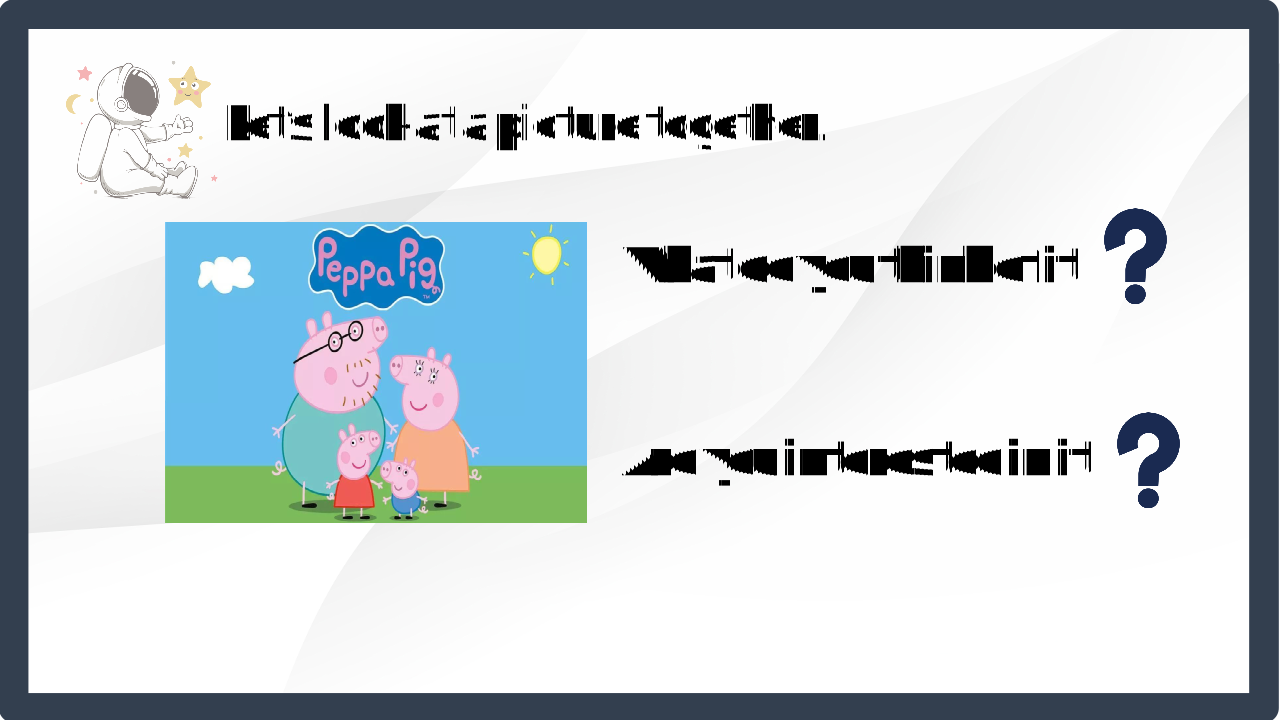
Let’s look at a picture together.
What do you think of it
Are you interested in it
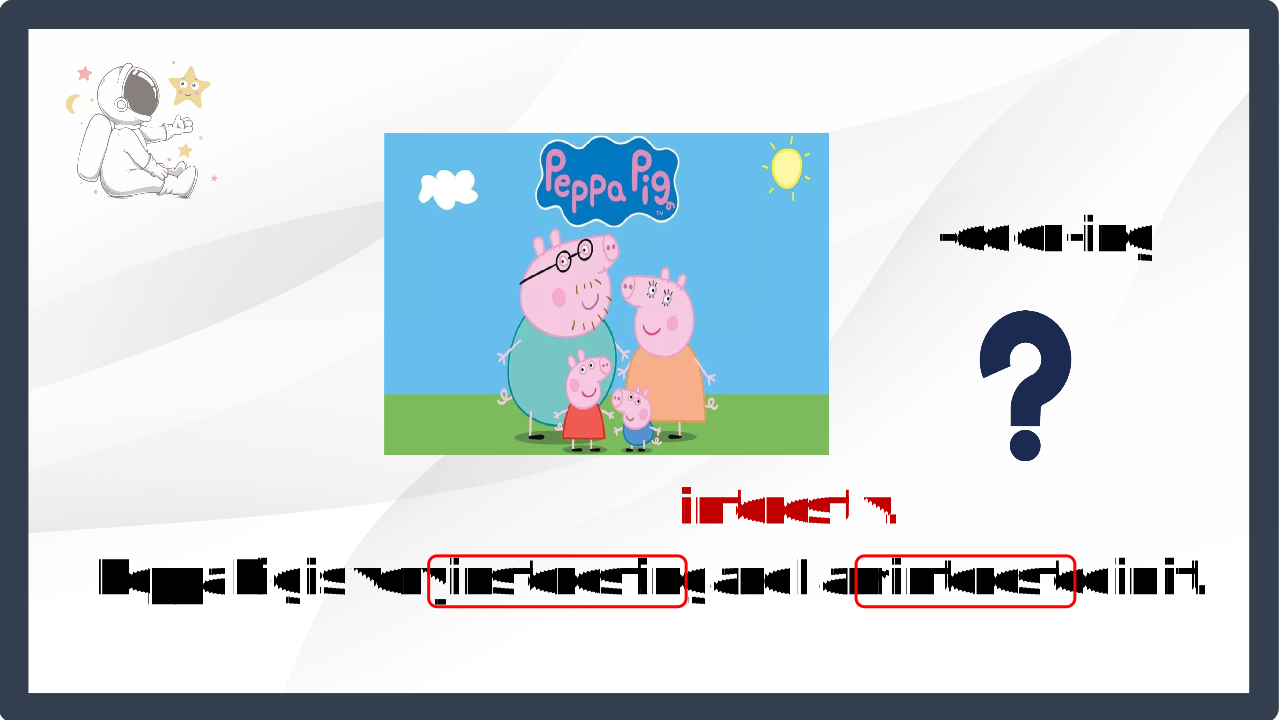
Peppa Pig is very insteresting and I am interested in it.
-ed or -ing
interest v.
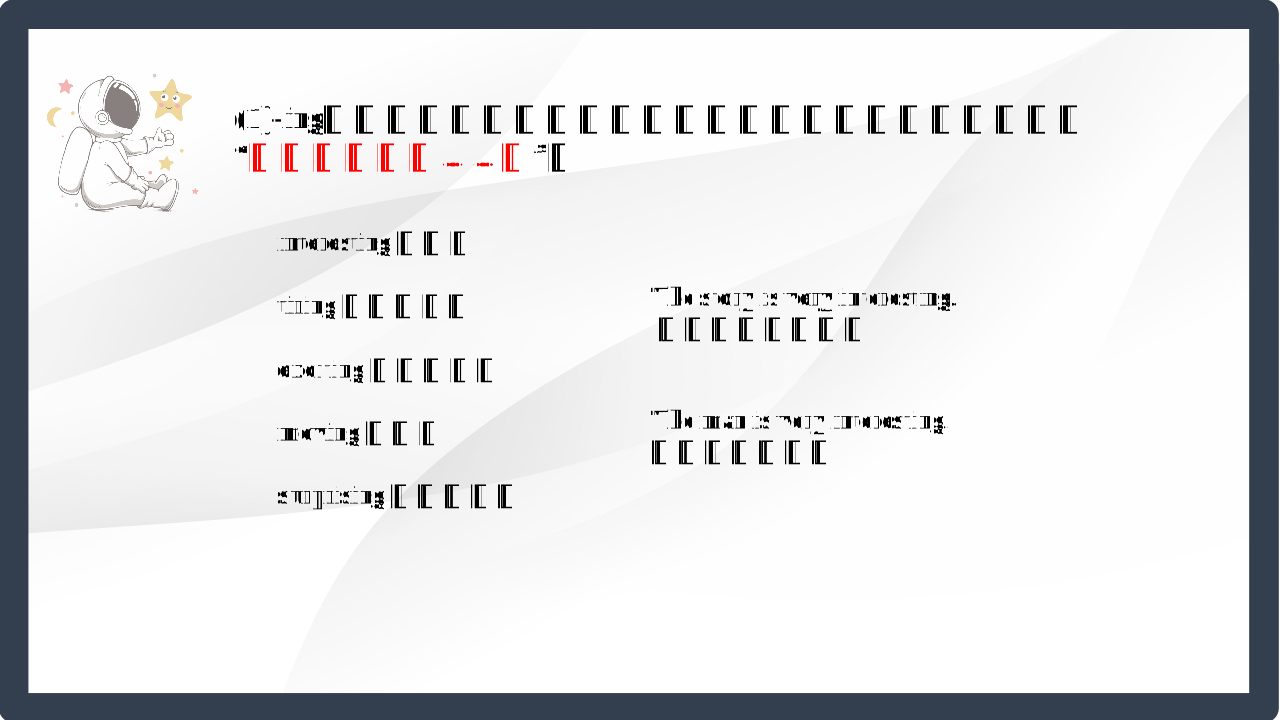
(1)-ing形容词表示主动意义,多指事物影响到人,意思一般是
“使人(感到)……的”。
interesting 有趣的
moving 动人的
surprising 使人惊讶的
exciting 令人激动的
tiring 使人疲倦的
The story is very interesting.
这个故事很有趣。
The man is very interesting.
这个人很有趣。
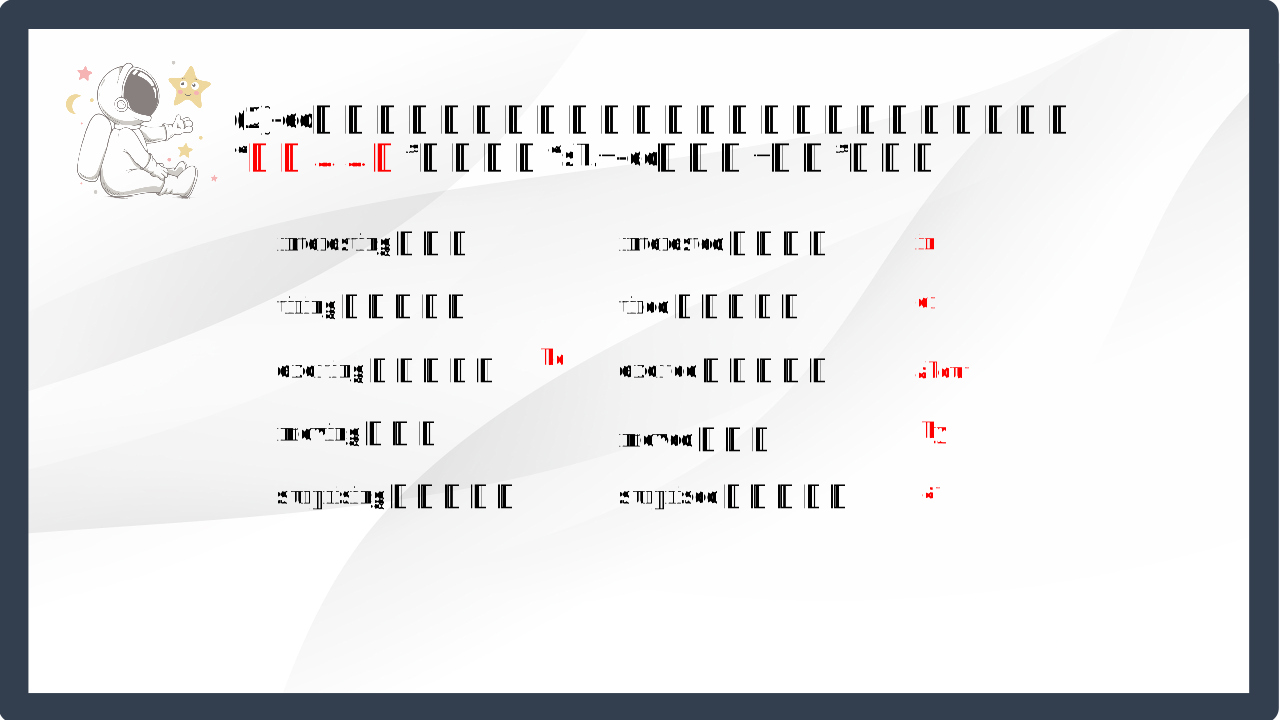
(2)-ed形容词表示被动意义,多指人受到事物的影响,意思是
“感到……的”,常用于“sb.+-ed形容词+介词”结构。
interesting 有趣的
moving 动人的
surprising 使人惊讶的
exciting 令人激动的
tiring 使人疲倦的
interested 感兴趣的
tired 感到疲倦的
excited 感到激动的
moved 感动的
surprised 感到惊讶的
be
in
of
about
by
at
一般情况下,-ed结尾的形容词不用于说明事物,即使它们所修饰的名词是事物,那它们指的也是与该事物相关的人。
He had a pleased smile on his face.
他脸上露出了满意的微笑。
He told me the news in a very excited voice.
他告诉了我这个消息,声音很激动。
Let’s practice.
用括号内所给动词的-ed或-ing形式填空。
1. The children were _______ after the trip. (tire)
tired
Let’s practice.
用括号内所给动词的-ed或-ing形式填空。
2. The trip was _______.(tire)
tiring
Let’s practice.
用括号内所给动词的-ed或-ing形式填空。
3. Tom’s parents are __________ at his __________ results of the exams. (disappoint).
disappointed
disappointing
Let’s practice.
用括号内所给动词的-ed或-ing形式填空。
4. Yesterday our head teacher made such an _______ speech that we all felt_______.
(excite)
exciting
excited
Let’s practice.
用括号内所给动词的-ed或-ing形式填空。
6.I'm not __________ with his interpretation of this sentence. (satisfy)
satisfied
Let’s practice.
用括号内所给动词的-ed或-ing形式填空。
5.He was __________ about his son. (worry)
worried
选择合适的形容词填空:
The book was __________. (interest/interested)
I was __________ by the live concert. (amaze/amazed)
The task seemed __________ at first. (confuse/confused)
The movie was __________ and left me in tears. (move/moved)
答案:interested, amazed, confusing, moved。
Let’s make a summary.
以ed和ing结尾的形容词,这类词多是由动词加后缀转化而来。
1. 当主语是人的时候,形容词常用-ed;当主语是物的时候,形容词常用-ing。
2. -ed 结尾的形容词常译为“(人)感到…”一般修饰人,表示人所处的心理状态,即使它们所修饰的名词是事物,也是来描述与之相关的人的表情、心情等。
3. -ing 结尾的形容词常译为 “(物)令人…“主要用于说明事物的性质或特征,若用它们说明人,则表示此人具有此性质或特征。
Thanks for watching!
$$
资源预览图
1
2
3
4
5
6
相关资源
由于学科网是一个信息分享及获取的平台,不确保部分用户上传资料的 来源及知识产权归属。如您发现相关资料侵犯您的合法权益,请联系学科网,我们核实后将及时进行处理。