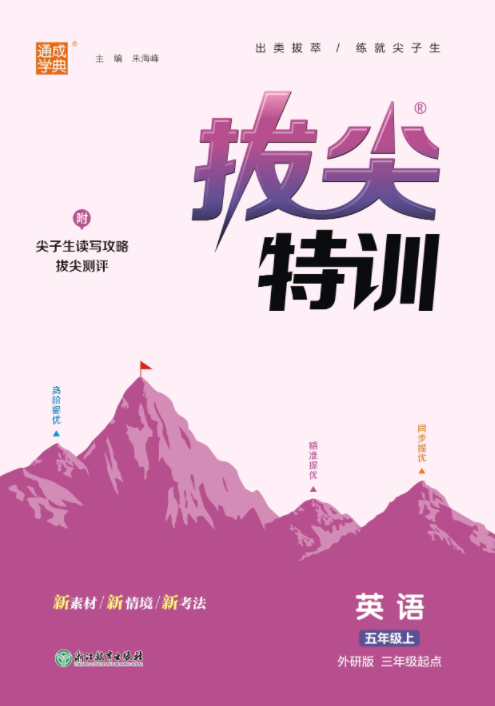
Module 1(无听力音频)-【拔尖特训】2024-2025学年五年级上册英语(外研版 三起)

2024-11-18
| 2份
| 11页
| 133人阅读
| 2人下载
江苏通典文化传媒集团有限公司
进店逛逛

内容正文:

模块目标预览 语音 字母e、 i、 a和字母组合ea在单词中的发音。 重 点 单 词 [四会] those 那些 ice cream 冰激凌 us (宾格)我们 wait 等待,等候 email 电子邮件 love 爱你的 ran (run的过去式)跑 met (meet的过去式)碰上,遇见 [三会] send 发送,寄 ground 地面 finish 吃完,喝完,用尽 hurry 赶紧,匆忙 dropped (drop的过去式)(无意中)使掉落 above 在……上方,在……之上 常 考 短 语 come back 回来 hurry up 赶紧,赶快 wait for 等候 the London Eye 伦敦眼 last Sunday 上周日 live in 居住在 look at 看 watch TV 看电视 go home 回家 by bike 骑自行车 go to the park 去公园 walk to school 步行去学校 send an email 发送一封电子邮件 by bus/plane/train 乘公共汽车/飞机/火车 a postcard from Lingling 一张来自玲玲的明信片 经 典 句 型 1. 描述过去发生的事情的句型:主语+动词过去式(+其他). Lingling went to London Town. 玲玲去了伦敦城。 We bought ice creams. 我们买了冰激凌。 2. 询问某人过去是否做过某事的句型及其答语: — Did +主语+动词原形(+其他)? — Yes,主语+ did./No,主语+ didn􀆳t. — Did you go to the Yangtze River? 你们去长江了吗? — Yes, we did. 是的,我们去了。 — Did Lingling phone you? 玲玲给你打电话了吗? — No, she didn􀆳t. 不,她没有。 3. 提出建议的句型: Let􀆳s +动词原形(+其他). Let􀆳s buy some. 让我们买一些吧。 4. Do型肯定祈使句的句型:动词原形(+其他). Finish your ice cream, Lingling. 玲玲,吃完你的冰激凌。 核 心 语 法 1. 一般过去时表示过去某个时间发生的动作或存在的状态,基本构成为“主语+动词过去式(+其他).”。 一般过去时表示动作发生的时间是“过去”,常和表示过去的时间状语连用,如yesterday(昨天)、 last year(去年)、 two hours ago(两个小时以前)等。 2. 含实义动词的一般过去时的一般疑问句结构为“Did +主语+动词原形(+其他)?”。其肯定回答为 “Yes,主语+ did.”,否定回答为“No,主语+ didn􀆳t.”。 3. “Let􀆳s ...”是建议对方一起做某事的祈使句句型,意为“让我们……吧。”。 let􀆳s相当于let us,后面接 动词原形。其答句有“OK./Al right./Great./Good idea.”等。 1 Module 1 词 句 朗 读 Unit 1 Did you come back yesterday? 一、 选出画线部分发音不同的一项。 ( )1. A. teacher B. head C. meat ( )2. A. race B. cake C. cat ( )3. A. desk B. help C. helo ( )4. A. listen B. bike C. give 二、 根据图片或首字母提示填空。 1. It􀆳s eight o􀆳clock now! F your homework, Jack! 2. These pandas are big, but t ones are smal. 3. Yesterday I m Ms Wang in the park. 4. There􀆳s my bus. Oh, w for me. 5. Mum, it􀆳s too hot today. I want to eat an . 三、 用所给词的适当形式填空。 1. Yesterday I (go) to the zoo with my grandpa. 2. — Did she (come) back yesterday? — No, she didn􀆳t. 3. I (walk) to school yesterday morning. 4. This is Lucy. She􀆳s (we) friend. 5. — Who (drop) the milk on your shoes, Tom? — A little boy did. 四、 单项选择。 ( )1. I􀆳m back my school. A. from B. of C. on ( )2. — Did she the London Eye last Sunday? — No, she didn􀆳t. A. visits B. visited C. visit ( )3. I came to Shanghai train yesterday. A. by B. on C. at ( )4. Let􀆳s some apples. A. buy B. to buy C. bought ( )5. I like traveling by plane, because I can enjoy the view from the ground. A. above B. on C. of ( )6. , Saly! The bus is coming. A. Sorry B. Thanks C. Hurry up 五、 连词成句。 1. rice, had, I, night, last (.) 2. my, met, I, the, in, friends, last, zoo, weekend (.) 3. in, live, did, they, last, London, year (?) 4. walk, did, to, yesterday, school, you (?) 六、 根据图片提示回答问题。 1. Did you go to the zoo last week? 􀥈 􀥈 􀥈 􀥈 􀥈 􀥈 􀥈 􀥈 􀥈 􀥈 􀥈 􀥈 􀥈 􀥈 􀥈 􀥈 􀥈 􀥈 􀥈 􀥈 􀥈 􀥈 􀥈 􀥈 􀥈 􀥈 􀥈 􀥈 􀥈 􀥈 􀥈 􀥈 􀥈 􀥈 􀥈 􀥈 􀥈 􀥈 􀥈 􀥈 􀥈 􀥈 􀥈 􀥈 􀥈 􀥈 􀥈 􀥈 􀥈 􀥈 􀥈 􀥈 􀥈 􀥈 􀥈 􀥈 􀥈 􀥈 􀥈 􀥈 􀥈 􀥈 􀥈 􀥈 􀥈 􀥈 􀥈 2 英语(外研版 三年级起点)五年级上 讲 解 视 频 2. Did Amy see a tiger yesterday? 3. Did you meet Lingling in the park yesterday? 4. Did Sam buy an ice cream? 5. Did you walk to school yesterday? 七、 从方框中选择合适的选项补全对话。 Tim: Helo, Lin Hai. 1. Lin Hai: Fine, thank you. 2. Tim: Yes. We􀆳re home now. Lin Hai: 3. Tim: Yes. I went to Beijing with my friend. Lin Hai: 4. Tim: No, we went there by car. Lin Hai: 5. Tim: I think so. I love it very much. A. Did you come back yesterday? B. Did you go to Beijing? C. Beijing is a good place. D. How are you? E. Did you go there by train? 八、 [情境题]Amy给Lucy写了一封信,向她讲 述了昨天去动物园的经历,让我们看看她都说 了些什么。从方框中选词补全信件。 met went saw drank had lives Dear Lucy, Yesterday I 1. to the zoo with Susan. We 2. Jack in the zoo. He is Susan􀆳s friend. He 3. near Susan. We 4. many animals there. And we 5. orange juice. Then we went home by bus. We 6. a good time. Love, Amy 九、 阅读短文,判断正(T)误(F)。 Yesterday, Mr Green came back from London. He went there last week. He visited lots of places there. He visited the British Museum, the London Eye and the Hyde Park. The London Eye is a big wheel. It􀆳s wonderful. The Hyde Park is very beautiful. There are lots of places to visit. Mr Green wants to visit London again. He loves London and his lovely trip. ( )1. Mr Green came back from London last week. ( )2. Mr Green went there last month. ( )3. Mr Green visited lots of places there. ( )4. Big Ben is a big wheel. ( )5. Mr Green loves his trip. There is an English word which has three letters. It can be read backwards or forwards and remains the same. We can􀆳t see anything without it. It is the . 􀥈 􀥈 􀥈 􀥈 􀥈 􀥈 􀥈 􀥈 􀥈 􀥈 􀥈 􀥈 􀥈 􀥈 􀥈 􀥈 􀥈 􀥈 􀥈 􀥈 􀥈 􀥈 􀥈 􀥈 􀥈 􀥈 􀥈 􀥈 􀥈 􀥈 􀥈 􀥈 􀥈 􀥈 􀥈 􀥈 􀥈 􀥈 􀥈 􀥈 􀥈 􀥈 􀥈 􀥈 􀥈 􀥈 􀥈 􀥈 􀥈 􀥈 􀥈 􀥈 􀥈 􀥈 􀥈 􀥈 􀥈 􀥈 􀥈 􀥈 􀥈 􀥈 􀥈 􀥈 􀥈 􀥈 􀥈 􀥈 􀥈 3 Module 1 Unit 2 We bought ice creams. 一、 选出与所给单词画线部分发音相同的一项。 ( )1. postcard A. drop B. home C. come ( )2. apple A. smal B. name C. cat ( )3. letter A. hen B. she C. he ( )4. river A. kite B. bike C. rabbit ( )5. teacher A. meat B. great C. sweater 二、 用所给词的适当形式填空。 1. Jack (meet) his friend yesterday. 2. Please come with (we). 3. They visited (that) cities last year. 4. Did you (send) Amy an email? 5. Yesterday I (buy) a toy car. 三、 单项选择。 ( )1. My father didn􀆳t to Shanghai last month. A. go B. went C. goes ( )2. Ms Smart is mother. A. Sam and AmyB. Sam􀆳s and Amy􀆳s C. Sam and Amy􀆳s ( )3. Lingling an English story last week. A. reads B. readingC. read ( )4. Here􀆳s a postcard Lingling. It􀆳s you. A. with; from B. from; for C. with; to ( )5. We went to school bus. A. by B. on C. in 四、 选出与句意相符的图片。 ( )1. Yesterday my father went to Dalian by train. A. B. ( )2. — Did Xiaoyong phone you? — Yes, he did. A. B. ( )3. We went to Hainan last Tuesday. A. B. ( )4. Lucy watched TV last night. A. B. ( )5. I went to the zoo with my parents. A. B. 五、 根据图片提示回答问题。 1. Did they walk to the park last Sunday? 2. Did the boy watch TV yesterday? 3. Did the girl buy ice creams last Saturday? 􀥈 􀥈 􀥈 􀥈 􀥈 􀥈 􀥈 􀥈 􀥈 􀥈 􀥈 􀥈 􀥈 􀥈 􀥈 􀥈 􀥈 􀥈 􀥈 􀥈 􀥈 􀥈 􀥈 􀥈 􀥈 􀥈 􀥈 􀥈 􀥈 􀥈 􀥈 􀥈 􀥈 􀥈 􀥈 􀥈 􀥈 􀥈 􀥈 􀥈 􀥈 􀥈 􀥈 􀥈 􀥈 􀥈 􀥈 􀥈 􀥈 􀥈 􀥈 􀥈 􀥈 􀥈 􀥈 􀥈 􀥈 􀥈 􀥈 􀥈 􀥈 􀥈 􀥈 􀥈 􀥈 􀥈 􀥈 4 英语(外研版 三年级起点)五年级上 讲 解 视 频 4. Did Lingling visit Big Ben? 六、 从方框中选择合适的选项补全对话。 Bob: Helo, Amy! Amy: Hi, Bob! How are you? Bob: Fine, thank you. 1. Amy: No, she didn􀆳t. 2. Bob: Did Lingling go to Shanghai last Friday? Amy: Yes. She went to Shanghai with her parents. 3. Bob: 4. Amy: Yes. She came back yesterday. 5. It􀆳s for you. Bob: Oh, how nice! A. She phoned me yesterday. B. Did Lingling send you an email? C. Did she come back? D. They went there by train. E. Here􀆳s a postcard from Lingling. 七、 阅读邮件,完成任务。 To: Daming@urfriend.cn From: Lingling@art.cn Dear Daming, Yesterday I went to Zhongshan Park with Sam and Amy. It􀆳s big and beautiful. There are so many flowers and trees in the park. We met Tim in the park. He􀆳s Sam and Amy􀆳s friend. He took some photos of us. We had a picnic on the grass. In the afternoon, we bought some ice creams. Then we went home by bus. I ran to the bus. And I dropped my ice cream. I was sad. We had a lovely time yesterday! Yours, Lingling (一) [新考法]圈出与邮件内容相符的图片。 A. B. C. D. E. F. (二) 选择正确的答案。 ( )1. There are in the park. A. trees B. flowers C. both A and B ( )2. Tim is Amy􀆳s . A. friend B. cousin C. brother ( )3. Did Sam have a good time yesterday? A. Yes, he did.B. No, he didn􀆳t. C. We don􀆳t know. 八、 阅读短文,回答问题。 I􀆳m Sarah. Last Sunday, I went shopping with my mum. It was sunny and windy. We bought apples, bananas, bread, milk and two bottles of juice. I had a great time. Then we went home by car. But I dropped my glasses when I got in the car. What a pity! But my mum said that was OK. 1. When did Sarah go shopping? 2. What was the weather like? 3. Did they buy bananas and milk? 4. What did Sarah drop? 5. How did they go home? 􀥈 􀥈 􀥈 􀥈 􀥈 􀥈 􀥈 􀥈 􀥈 􀥈 􀥈 􀥈 􀥈 􀥈 􀥈 􀥈 􀥈 􀥈 􀥈 􀥈 􀥈 􀥈 􀥈 􀥈 􀥈 􀥈 􀥈 􀥈 􀥈 􀥈 􀥈 􀥈 􀥈 􀥈 􀥈 􀥈 􀥈 􀥈 􀥈 􀥈 􀥈 􀥈 􀥈 􀥈 􀥈 􀥈 􀥈 􀥈 􀥈 􀥈 􀥈 􀥈 􀥈 􀥈 􀥈 􀥈 􀥈 􀥈 􀥈 􀥈 􀥈 􀥈 􀥈 􀥈 􀥈 􀥈 􀥈 􀥈 􀥈 􀥈 5 Module 1 听力特训 一、 听录音,选出你所听到的单词。 ( )1. A. come B. some C. from ( )2. A. book B. back C. look ( )3. A. my B. buy C. ran ( )4. A. about B. above C. out ( )5. A. last B. park C. talk 二、 听录音,选出与所听内容相符的图片。 ( )1. A. B. ( )2. A. B. ( )3. A. B. ( )4. A. B. ( )5. A. B. 三、 听录音,选择恰当的应答语。 ( )1. A. Yes, she does. B. Yes, she did. C. No, he didn􀆳t. ( )2. A. No, he doesn􀆳t. B. Yes, they do. C. No, they didn􀆳t. ( )3. A. No, I didn􀆳t. B. Yes, we do. C. Yes, I do. ( )4. A. Yes, she did. B. No, she doesn􀆳t. C. No, he didn􀆳t. ( )5. A. Goodbye. B. Thank you. C. Helo, Amy. 四、 听录音,根据所听短文,判断正(T)误(F)。 ( )1. I went to the supermarket with Amy. ( )2. I bought an ice cream for Amy. ( )3. Amy bought some bread. ( )4. Amy dropped her ice cream on her own shoes. ( )5. We went home by bus at last. 五、 听录音,根据所听短文,选择正确的答案。 ( )1. Jack and his father went to last Saturday. A. the London Eye B. the West Lake C. the Huangpu River ( )2. Jack and his father went there . A. by car B. by bus C. by plane ( )3. Jack and his father saw many on the lake. A. ships B. boats C. ducks ( )4. Jack bought for his sister. A. a toy ship B. a new coat C. a Chinese kite ( )5. Jack and his father also there. A. flew a kite B. had a picnic C. took some pictures 􀥈 􀥈 􀥈 􀥈 􀥈 􀥈 􀥈 􀥈 􀥈 􀥈 􀥈 􀥈 􀥈 􀥈 􀥈 􀥈 􀥈 􀥈 􀥈 􀥈 􀥈 􀥈 􀥈 􀥈 􀥈 􀥈 􀥈 􀥈 􀥈 􀥈 􀥈 􀥈 􀥈 􀥈 􀥈 􀥈 􀥈 􀥈 􀥈 􀥈 􀥈 􀥈 􀥈 􀥈 􀥈 􀥈 􀥈 􀥈 􀥈 􀥈 􀥈 􀥈 􀥈 􀥈 􀥈 􀥈 􀥈 􀥈 􀥈 􀥈 􀥈 􀥈 􀥈 􀥈 􀥈 6 英语(外研版 三年级起点)五年级上 听 力 录 音 讲 解 视 频 重难点突破 (1) 一般过去时的陈述句 一、 一般过去时的概念 一般过去时表示在过去的某个时间发生的动 作或存在的状态,其谓语动词用过去式,常与表示 过去的时间状语连用,如yesterday(昨天)、 last Sunday/week/year(上周日/上周/去年)、 in the past(在过去)等。 二、 一般过去时的陈述句 1. 肯定陈述句 (1) 含be动词:主语+ was/were +其他. 如: He was late for school yesterday. 他昨天上学迟到了。 (2) 含实义动词:主语+实义动词过去式+其 他. 如: We played chess last week. 上周我们下国际象棋了。 2. 否定陈述句 (1) 含be动词:主语+ wasn􀆳t/weren􀆳t +其他. 如: She wasn􀆳t at home last week. 她上周不在家。 (2) 含实义动词:主语+ didn􀆳t +实义动词 原形+其他. 如: He didn􀆳t do his homework yesterday. 他昨天没有做家庭作业。 􀥈􀥈􀥈􀥈􀥈􀥈􀥈􀥈􀥈􀥈􀥈􀥈􀥈􀥈􀥈􀥈􀥈􀥈􀥈􀥈 􀥈 􀥈 􀥈 􀥈 􀥈 􀥈 􀥈􀥈􀥈􀥈􀥈􀥈􀥈􀥈􀥈􀥈􀥈􀥈􀥈􀥈􀥈􀥈􀥈􀥈􀥈􀥈 􀥈 􀥈 􀥈 􀥈 􀥈 􀥈 􀧈 􀧈 􀧈􀧈 注意 将肯定句变为否定句时,如果句中 有some,要把some改为any。如: We saw some birds in the tree. → We didn􀆳t see any birds in the tree. 一、 写出下列动词的过去式形式。 1. jump 2. dance 3. am/is 4. cry 5. take 6. sing 7. swim 8. fal 9. eat 10. come 二、 用所给词的适当形式填空。 1. They (visit) the West Lake last Sunday. 2. Ann (give) her banana to a little monkey just now. 3. We (get) there at seven o􀆳clock yesterday evening. 4. Sam didn􀆳t (fly) a kite yesterday. 5. I (send) Lingling an email yesterday. 三、 单项选择。 ( )1. I to school this morning. A. walks B. walked C. walking ( )2. We went to the zoo and lots of animals there. A. see B. saw C. seeing ( )3. I watched TV . A. now B. yesterday C. tomorrow ( )4. My aunt a blue dress for me yesterday. A. make B. made C. makes 四、 用方框中所给词的适当形式完成短文。 drop meet run go buy Yesterday I went to the zoo with Sam and Daming. We 1. John in the zoo. He􀆳s Sam and Daming􀆳s friend. We 2. ice creams. Then we 3. home by bus. I 4. to the bus. And I 5. my ice cream on John􀆳s shoes. 􀥈 􀥈 􀥈 􀥈 􀥈 􀥈 􀥈 􀥈 􀥈 􀥈 􀥈 􀥈 􀥈 􀥈 􀥈 􀥈 􀥈 􀥈 􀥈 􀥈 􀥈 􀥈 􀥈 􀥈 􀥈 􀥈 􀥈 􀥈 􀥈 􀥈 􀥈 􀥈 􀥈 􀥈 􀥈 7 Module 1 讲 解 视 频 (2) 一般过去时的一般疑问句 1. 含有was/were的一般过去时的陈述句变为一般 疑问句的规则: (1) 把was/were提至句首并大写首字母。 (2) 主语是第一人称的改为第二人称,句中有 some的, some要改为any。 (3) 句末标点符号改为问号。 句型结构: Was/Were +主语+其他? 肯定回答: Yes,主语+ was/were. 否定回答: No,主语+ wasn􀆳t/weren􀆳t. 如: — Was Lingling at home yesterday? 昨天玲玲在家吗? — Yes, she was./No, she wasn􀆳t. 是的,她在。/不,她不在。 2. 含有实义动词的一般过去时的陈述句变为一般 疑问句的规则: (1) 助动词did开头,首字母大写。 (2) 谓语动词变为动词原形。 (3) 主语是第一人称的改为第二人称,句中有 some的, some要改为any。 (4) 句末标点符号改为问号。 句型结构: Did +主语+动词原形(+其他)? 肯定回答: Yes,主语+ did. 否定回答: No,主语+ didn􀆳t. 如: — Did you come back last Sunday? 你们上周日回来了吗? — Yes, we did./No, we didn􀆳t. 是的,我们回来了。/不,我们没回来。 一、 从括号中选词填空。 1. Did you (have/had) rice yesterday? 2. — Did Ms Smart (buy/bought) a new dress for Amy? — No, she didn􀆳t. She (buys/ bought) a new skirt for her. 3. — (Was/Were) there any letters for me yesterday? — Yes. There (was/were) two. 4. — Did Daming lose his shoes? — No, he (did/didn􀆳t). 二、 单项选择。 ( )1. Did you chess yesterday? A. play B. played C. playing ( )2. you at school last Friday? A. Was B. Were C. Are ( )3. Did Mum buy apples? A. a B. some C. any ( )4. your grandma old then? A. Is B. Was C. Were ( )5. — Did they walk to school yesterday? — A. Yes, they do. B. Yes, I did. C. No, they didn􀆳t. 三、 连词成句。 1. often, you, play, did, you, when, children, together, were (?) 2. last, watch, night, sister, did, your, TV (?) 3. an, she, teacher, was, English, ago, year, one (?) 4. he, was, playground, the, now, in, just (?) 􀥈 􀥈 􀥈 􀥈 􀥈 􀥈 􀥈 􀥈 􀥈 􀥈 􀥈 􀥈 􀥈 􀥈 􀥈 􀥈 􀥈 􀥈 􀥈 􀥈 􀥈 􀥈 􀥈 􀥈 􀥈 􀥈 􀥈 􀥈 􀥈 􀥈 􀥈 􀥈 􀥈 􀥈 􀥈 􀥈 􀥈 􀥈 􀥈 8 英语(外研版 三年级起点)五年级上 讲 解 视 频 Module 1 Unit 1 Did you come back yesterday 讲 解 视 频 一、 1. B 解析: teacher和 meat中的ea发/iː/ 音; head中的ea发/e/音。 2. C 解析: race和 cake中的a发/eɪ/音; cat中的a发/æ/音。 3. C 解析: desk和help中的e发/e/音; helo中的e 发/ə/音。 4. B 解析: listen和give中的i发 /ɪ/音; bike中的i发/aɪ/音。 二、 1. Finish 2. those 3. met 4. wait 5. ice cream 三、 1. went 解析:由句中的Yesterday可知,此 处表示过去发生的事情,所以要用一般过去时。 2. come 3. walked 4. our 5. dropped 四、 1. A 2. C 解析:含实义动词的一般过去时 的一般疑问句句型结构为“Did +主语+动词原形 (+其他)?”。 3. A 解析: by train意为“乘火 车”,为固定搭配。 4. A 解析: let􀆳s引导的祈 使句句型结构为“Let􀆳s +动词原形(+其他).”。 5. A 6. C 五、 1. I had rice last night. 2. I met my friends in the zoo last weekend. 3. Did they live in London last year? 4. Did you walk to school yesterday? 六、 1. Yes, I/we did. 2. No, she didn􀆳t. 3. No, I/we didn􀆳t. 4. Yes, he did. 5. No, I/we didn􀆳t. 七、 1. D 2. A 3. B 4. E 5. C 八、 1. went 2. met 3. lives 解析: live near 意为“住在……附近”,且此句表示事实情况,使用 一般现在时。 4. saw 5. drank 解析:喝橙汁 用drink,又因为是昨天喝的橙汁,时态为一般过去 时,所以用drank。 6. had 九、 1. F 2. F 3. T 4. F 5. T 拓展空间: eye Unit 2 We bought ice creams. 讲 解 视 频 一、 1. B 解析: postcard中的o发/əʊ/音; drop 中的o发/ɒ/音; home中的o发/əʊ/音; come中 的o发/ʌ/音。 2. C 解析: apple中的a发/æ/ 音; smal中的al发/ɔːl/音; name中的a发/eɪ/ 音; cat中的a发/æ/音。 3. A 解析: letter中 的第一个e发/e/音; hen中的e发/e/音; she中 的e发/iː/音; he中的e发/iː/音。 4. C 解析: river中的i发/ɪ/音; kite中的i发/aɪ/音; bike中的i发/aɪ/音; rabbit中的i发/ɪ/音。 5. A 解析: teacher中的ea发/iː/音; meat中的 ea发/iː/音; great中的ea发/eɪ/音; sweater中的 ea发/e/音。 二、 1. met 2. us 3. those 4. send 解析:含 实义动词的一般过去时的一般疑问句句型结构 为“Did +主 语 + 动 词 原 形 (+ 其 他)?”。 5. bought 三、 1. A 2. C 解析:表示萨姆和埃米共同拥有 用Sam and Amy􀆳s。 3. C 4. B 5. A 四、 1. A 2. B 3. B 4. A 5. B 五、 1. No, they didn􀆳t. 2. Yes, he did. 3. Yes, she did. 4. No, she didn􀆳t. 六、 1. B 2. A 3. D 4. C 5. E 七、 (一) A C D F (二) 1. C 2. A 3. A 八、 1. Last Sunday. 2. It was sunny and windy. 3. Yes, they did. 4. She dropped her glasses. 5. By car. 􀥈 􀥈 􀥈 􀥈 􀥈 􀥈 􀥈 􀥈 􀥈 􀥈 􀥈 􀥈 􀥈 􀥈 􀥈 􀥈 􀥈 􀥈 􀥈 􀥈 􀥈 􀥈 􀥈 􀥈 􀥈 􀥈 􀥈 􀥈 􀥈 􀥈 􀥈 􀥈 􀥈 􀥈 􀥈 􀥈 􀥈 􀥈 􀥈 􀥈 􀥈 􀥈 􀥈 􀥈 􀥈 􀥈 􀥈 􀥈 􀥈 􀥈 􀥈 􀥈 􀥈 􀥈 􀥈 􀥈 􀥈 􀥈 􀥈 􀥈 􀥈 􀥈 􀥈 􀥈 􀥈 􀥈 􀥈 􀥈 􀥈 1 听力特训 讲 解 视 频 [听力原文] 一、 听录音,选出你所听到的单词。 1. Here􀆳s a postcard from my friend. 2. They came back from China yesterday. 3. Let􀆳s buy some fish and meat. 4. I want an ice cream. What about you? 5. Did you go to the new park by bus? 二、 听录音,选出与所听内容相符的图片。 1. We visited the London Eye last week. 2. She bought ice creams for me. 3. I did my homework at home. 4. I went to school by bus. 5. Lingling dropped her ice cream on John􀆳s new shoes. 三、 听录音,选择恰当的应答语。 1. Did he go to the zoo yesterday? 2. Do they live near Amy? 3. Did you have rice yesterday? 4. Does she walk to school? 5. This is your ice cream. 四、 听录音,根据所听短文,判断正(T)误(F)。 Yesterday I went to the supermarket. I bought some bread and apples. I met a friend in the supermarket. She is Amy. She bought an ice cream. Then we went home together. Amy dropped her ice cream on my shoes. She was very sorry. At last we went home by bus. 五、 听录音,根据所听短文,选择正确的答案。 Helo, I􀆳m Jack. Last Saturday, I went to the West Lake with my father. We went there by bus. Many people walked around the lake. We saw many boats on the lake. I bought a toy ship for my little sister. We also took some pictures. We had a good time there. [参考答案] 一、 1. C 2. B 3. B 4. A 5. B 二、 1. A 2. B 3. A 4. B 5. A 三、 1. C 2. B 3. A 4. B 5. B 四、 1. F 2. F 3. F 4. F 5. T 五、 1. B 2. B 3. B 4. A 5. C 重难点突破 (1) 一般过去时的陈述句 讲 解 视 频 一、 1. jumped 2. danced 3. was 4. cried 5. took 6. sang 7. swam 8. fel 9. ate 10. came 二、 1. visited 解析:句中有last Sunday,所以用 一般过去时。 2. gave 解析:句中有just now, 所以用一般过去时。 3. got 解析:句中有 yesterday evening,所以用一般过去时。 4. fly 5. sent 三、 1. B 2. B 3. B 解析: watched是动词过 去式,所以要选择过去的时间。 4. B 解析:句 中有yesterday,所以用一般过去时。 四、 1. met 2. bought 3. went 4. ran 5. dropped (2) 一般过去时的一般疑问句 讲 解 视 频 一、 1. have 解析:含实义动词的一般过去时的一 般疑问句句型结构为“Did +主语+动词原形(+ 其他)?”,所以这里选动词原形have。 2. buy; bought 解析:助动词did后接动词原形;问句和 答句的时态要一致,所以答句也要用一般过去时。 3. Were; were 解析:由问句中的any letters及 yesterday可知,此处应用were,位于句首时首字 􀥈 􀥈 􀥈 􀥈 􀥈 􀥈 􀥈 􀥈 􀥈 􀥈 􀥈 􀥈 􀥈 􀥈 􀥈 􀥈 􀥈 􀥈 􀥈 􀥈 􀥈 􀥈 􀥈 􀥈 􀥈 􀥈 􀥈 􀥈 􀥈 􀥈 􀥈 􀥈 􀥈 􀥈 􀥈 􀥈 􀥈 􀥈 􀥈 􀥈 􀥈 􀥈 􀥈 􀥈 􀥈 􀥈 􀥈 􀥈 􀥈 􀥈 􀥈 􀥈 􀥈 􀥈 􀥈 􀥈 􀥈 􀥈 􀥈 􀥈 􀥈 􀥈 􀥈 􀥈 􀥈 􀥈 􀥈 􀥈 􀥈 2 母大写,选用Were;由答句中的two可知,此处应 用were。 4. didn􀆳t 二、 1. A 2. B 3. C 解析: some和any都表 示“一些”,但是在疑问句中一般用any。 4. B 解析:句中有then,所以用一般过去时; your grandma是单数,所以用Was。 5. C 三、 1. Did you often play together when you were children? 2. Did your sister watch TV last night? 3. Was she an English teacher one year ago? 4. Was he in the playground just now? Module 2 Unit 1 What did you buy 讲 解 视 频 一、 1. C 2. B 3. A 4. C 5. A 二、 1. lost 解析:句中有yesterday,所以用一般 过去时。 2. likes 解析:描述客观事实用一般 现在时, Amy是第三人称单数,所以动词用第三 人称单数形式。 3. cheese 4. buy 解析:情态 动词can后接动词原形。 5. oranges 解析:由 句中的Three可知,此处应用orange的复数形式。 6. is 三、 1. A 2. A 3. B 4. A 5. C 解析: how many后接可数名词复数,所以选pears。 四、 1. C 2. A 3. B 4. E 5. D 五、 1. A 2. D 3. C 4. E 5. B 六、 1. How many eggs did you buy? 2. How many pears did he buy? 3. How many peaches did they buy? 4. How much cheese did she buy? 5. How many bananas did you buy? 七、 1. I bought some apples, milk, rice and chocolate. 2. How many apples did you buy? 3. How much milk did you buy? 4. How much rice did you buy? 5. Half a kilo. 八、 1. C 2. A 3. A 4. C 5. B 6. C 7. A 8. C 9. A 10. B 九、 1. T 2. F 3. F 4. T 5. T Unit 2 How much cheese did you buy 讲 解 视 频 一、 1. C 解析: number和but中的u发/ʌ/音; use中的u发/juː/音。 2. C 解析: mother和 love中的o发/ʌ/音; box中的o发/ɒ/音。 3. A 解析: banana中的第一个a发/ə/音; class 和fast中的a发/􀱷/音。 4. A 解析: sea中的 ea发/iː/音; tiger和teacher中的er发/ə/音。 5. B 解析: bird和first中的ir发/ɜː/音; car中 的ar发/􀱷/音。 二、 1. any 2. half 3. use 4. lost 5. bottles 三、 1. A 2. B 解析:此句是否定句,所以用any 表示“一些”。 3. C 4. A 解析: apples 是可 数名词复数形式,故用how many 来提问数量,位 于句首时首字母需大写。 5. A 解析: cheese 是不可数名词,故用how much 来提问数量,位于 句首时首字母需大写。 四、 1. A 2. A 3. B 4. A 5. B 五、 6 1 3 8 4 5 7 2 六、 1. C 2. A 3. E 4. D 5. B 七、 1. pear 2. 3 3. watermelon 4. 1 5. banana 6. 4 八、 1. She visited the park (with her class- mates). 2. In the park. 解析:由“I took many photos in the park. We had a picnic there.”可知, 他们在公园野餐。 3. Two bottles. 4. He lost his bike. 解析:由“Tom ate a lot, but he lost his bike.”可 知,汤 姆 弄 丢 了 自 行 车。 5. Yes, they did. 􀥈 􀥈 􀥈 􀥈 􀥈 􀥈 􀥈 􀥈 􀥈 􀥈 􀥈 􀥈 􀥈 􀥈 􀥈 􀥈 􀥈 􀥈 􀥈 􀥈 􀥈 􀥈 􀥈 􀥈 􀥈 􀥈 􀥈 􀥈 􀥈 􀥈 􀥈 􀥈 􀥈 􀥈 􀥈 􀥈 􀥈 􀥈 􀥈 􀥈 􀥈 􀥈 􀥈 􀥈 􀥈 􀥈 􀥈 􀥈 􀥈 􀥈 􀥈 􀥈 􀥈 􀥈 􀥈 􀥈 􀥈 􀥈 􀥈 􀥈 􀥈 􀥈 􀥈 􀥈 􀥈 􀥈 􀥈 􀥈 􀥈 3

资源预览图

Module 1(无听力音频)-【拔尖特训】2024-2025学年五年级上册英语(外研版 三起)
1
Module 1(无听力音频)-【拔尖特训】2024-2025学年五年级上册英语(外研版 三起)
2
Module 1(无听力音频)-【拔尖特训】2024-2025学年五年级上册英语(外研版 三起)
3
Module 1(无听力音频)-【拔尖特训】2024-2025学年五年级上册英语(外研版 三起)
4
所属专辑
相关资源
示范课
由于学科网是一个信息分享及获取的平台,不确保部分用户上传资料的 来源及知识产权归属。如您发现相关资料侵犯您的合法权益,请联系学科网,我们核实后将及时进行处理。