Module 1 语法专题(课件)-【优+学案】2024-2025学年八年级上册英语课时通(外研版)
2024-10-07
|
10页
|
117人阅读
|
1人下载
教辅

内容正文:
年级上册·WY
英 语
本课件使用Office 2016制作,请使用相应软件打开并使用
本课件理科公式均采用微软公式制作,如果您是Office 2007或WPS 2021年4月份以前的版本,会出现公式及数字无法编辑或无动画的问题,请您安装Office 2016或以上版本即可解决该问题。
课件使用说明
本课件文本框内容可编辑,单击文本框即可进行修改和编辑
本课件设有小题超链接功能,点击题号即可跳转到对应题目。
使用软件
01
软件版本
02
便捷操作
03
软件更新
04
Module 1 How to learn English
语法专题
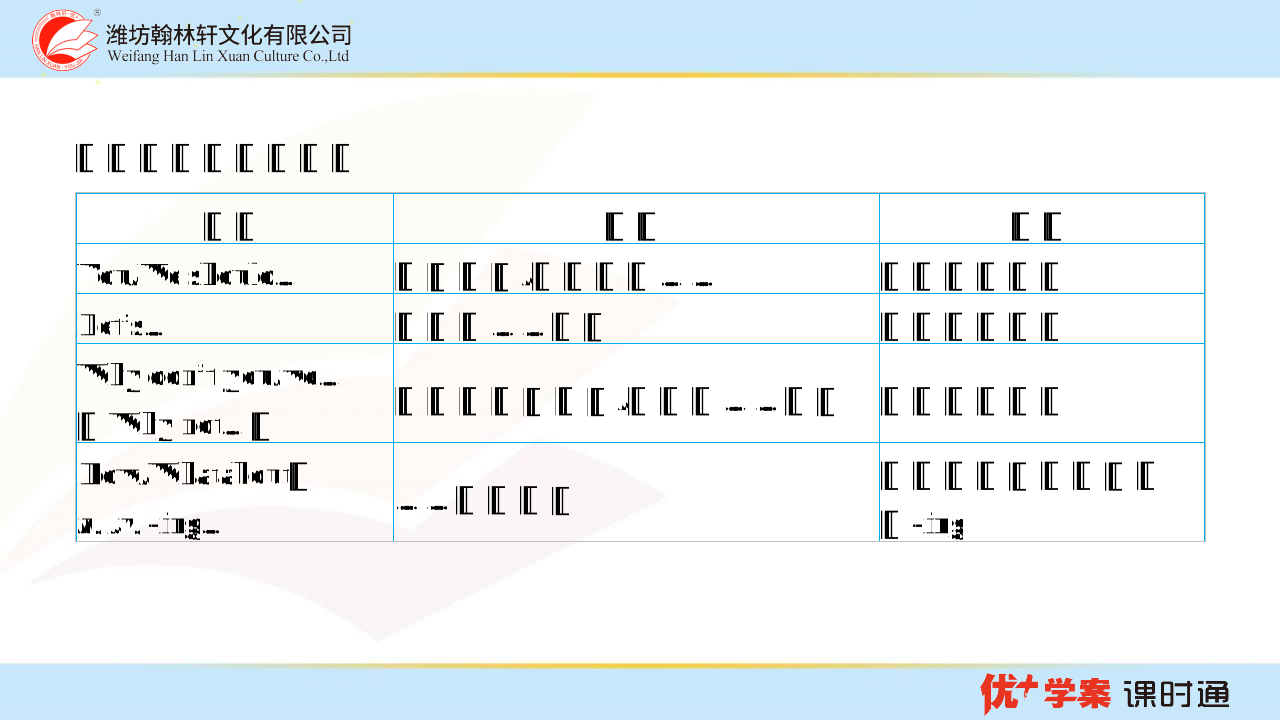
(一)提建议的句型
句型 意义 用法
You/We should… 你(们)/我们应该…… 后接动词原形
Let’s… 让我们……吧。 后接动词原形
Why don’t you/we…
=Why not…? 为什么你(们)/我们不……呢? 后接动词原形
How/Whatabout+
n./v.-ing… ……怎么样? 后接名词、代词、动
词-ing
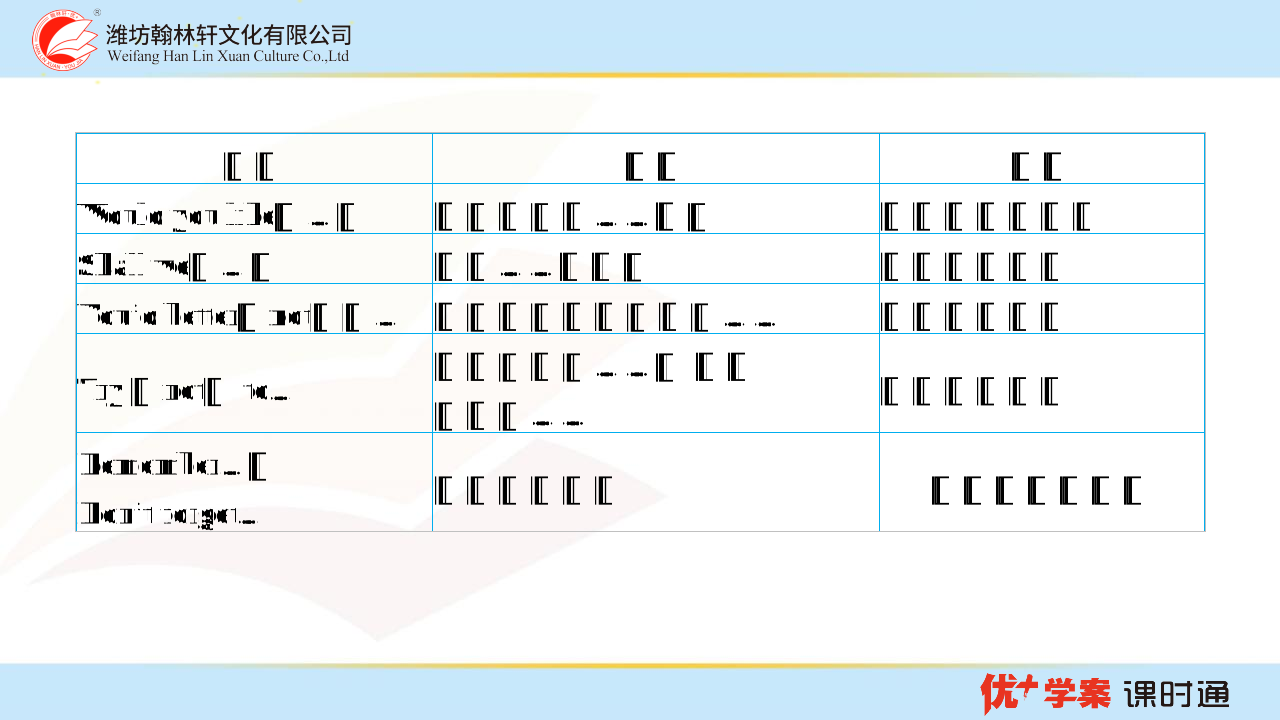
句型 意义 用法
Would you like+…? 你(们)想……吗? 后接动词不定式
Shall we+…? 我们……好吗? 后接动词原形
You’d better(not)+… 你(们)最好(不)…… 后接动词原形
Try (not) to… 努力(不)……; 设法
(不)…… 后接动词原形
Remember…=
Don’t forget… 记住要做某事 后接动词不定式
(二)一般现在时、一般过去时、一般将来时和现在进行时
(以be动词和walk为例)
时态 谓语动词 用法 标志词
一般
现在
时 be(am/
is/are);
walk/walks 1. 表示现在的情况和状态。
2. 表示经常性或习惯性的动作。
3. 表示客观事实、普遍真理。 always、usually、
often、sometimes、
every day等
一般
过去
时 was/were;
walked 1. 表示过去某个时间存在的状态。
2. 表示过去时间发生的或过去经常
性的动作。 yesterday、just now、
last week、two years
ago、in 2008、in the
past等
时态 谓语动词 用法 标志词
一般
将来
时 will/shall/
be going
to+walk 表示将来会出现或发生的动作。 tomorrow、this
evening、some day、
next week、“in+时
间段”等
现在
进行
时 walking 表示说话时正在进行的动作或当前
一段时间正在进行的动作。 now、these days、
listen、look等
Ⅰ. 用括号内所给单词的适当形式填空
1. Why not (do) your homework before dinner?
2. Shall we (go) shopping this afternoon?
3. What about (eat) noodles for lunch?
do
go
eating
Ⅰ
Ⅱ
Ⅱ. 语法填空
根据短文内容,在空白处填入括号内单词的正确形式。
Hello, my name is Alice. I 4. (have) a good friend. Her name is Linda.
Linda 5. (be) an English girl. In 2022, she and her parents
6. (come) to China. Now they live in Beijing. And they live next to our
house. So Linda and I always go to school. And after school, we 7. (do)
our homework together. We spend our weekend together, too.
have
is
came
do
Ⅰ
Ⅱ
Linda and I 8. (visit) the science museum last weekend. We
9. (take) many photos there. We are going to Hongxing Farm tomorrow.
And our parents 10. (go) there with us. We are going to have a
picnic there. Look! My mum and I 11. (buy) some food for
tomorrow’s picnic in the supermarket. Linda and her mum 12.
(make) some cakes at home. My dad is washing his car in the garden. Linda’s dad
13. (read) the map. I’m sure we’ll have a good time tomorrow.
visited
took
are going
are buying
are making
is reading
Ⅰ
Ⅱ
$$
资源预览图

1

2

3
4
5

相关资源
示范课
由于学科网是一个信息分享及获取的平台,不确保部分用户上传资料的 来源及知识产权归属。如您发现相关资料侵犯您的合法权益,请联系学科网,我们核实后将及时进行处理。