Unit 1 Grammar(第四课时)课件 2023-2024学年牛津译林版英语七年级下册
2024-05-15
|
20页
|
539人阅读
|
116人下载
普通
资源信息
| 学段 | 初中 |
|---|---|
| 学科 | 英语 |
| 教材版本 | 初中英语译林版(2012)七年级下册 |
| 年级 | 七年级 |
| 章节 | Grammar |
| 类型 | 课件 |
| 知识点 | - |
| 使用场景 | 同步教学-新授课 |
| 学年 | 2024-2025 |
| 地区(省份) | 全国 |
| 地区(市) | - |
| 地区(区县) | - |
| 文件格式 | PPTX |
| 文件大小 | 192 KB |
| 发布时间 | 2024-05-15 |
| 更新时间 | 2024-05-15 |
| 作者 | 琦琦雨 |
| 品牌系列 | - |
| 审核时间 | 2024-05-15 |
| 下载链接 | https://m.zxxk.com/soft/45180785.html |
| 价格 | 0.00储值(1储值=1元) |
| 来源 | 学科网 |
内容正文:
Grammar(第四课时)
1.基数词
基数词常用来表示数量的多少,在句中相当于名词或形容词,可作主语、定语或表语。
‹#›
2
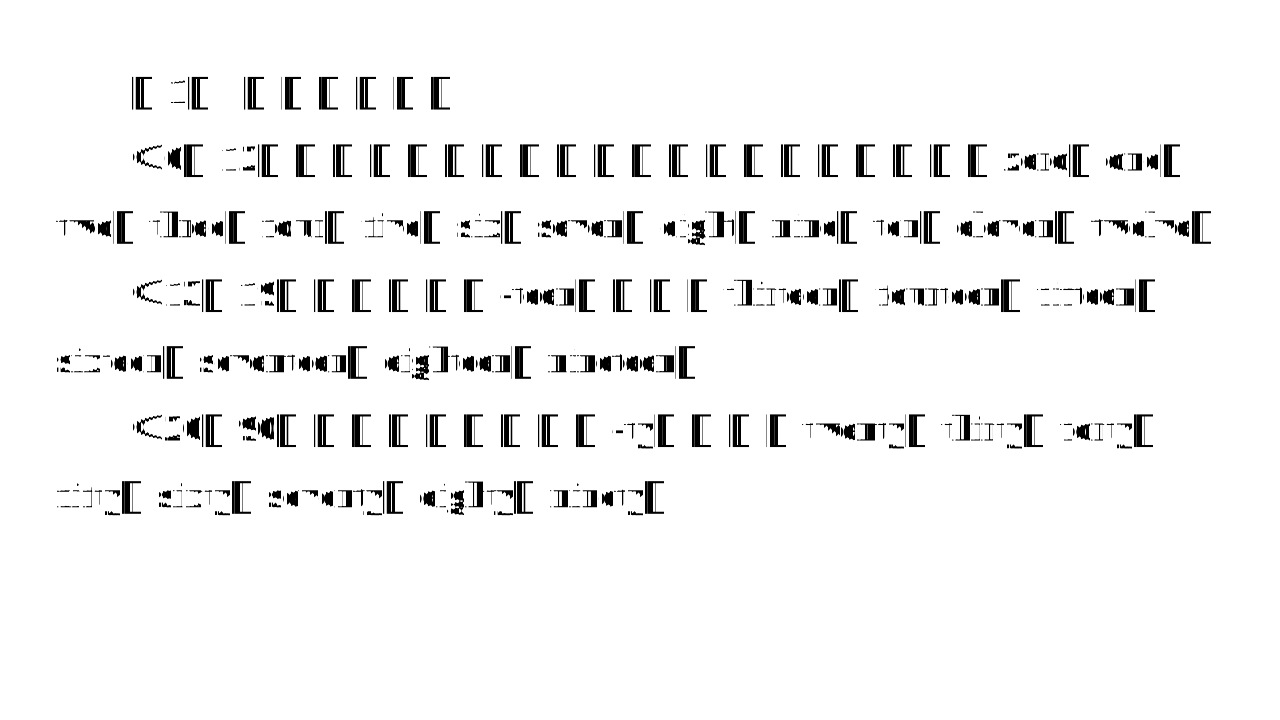
(1) 基数词的构成
①0~12的基数词有各自独立的表达,要分别熟记,如zero、one、
two、three、four、five、six、seven、eight、nine、ten、eleven、twelve。
②13~19的基数词均以-teen结尾,如thirteen、fourteen、fifteen、
sixteen、seventeen、eighteen、nineteen。
③20~90的整十的基数词均以-ty结尾,如twenty、thirty、forty、
fifty、sixty、seventy、eighty、ninety。
‹#›
3
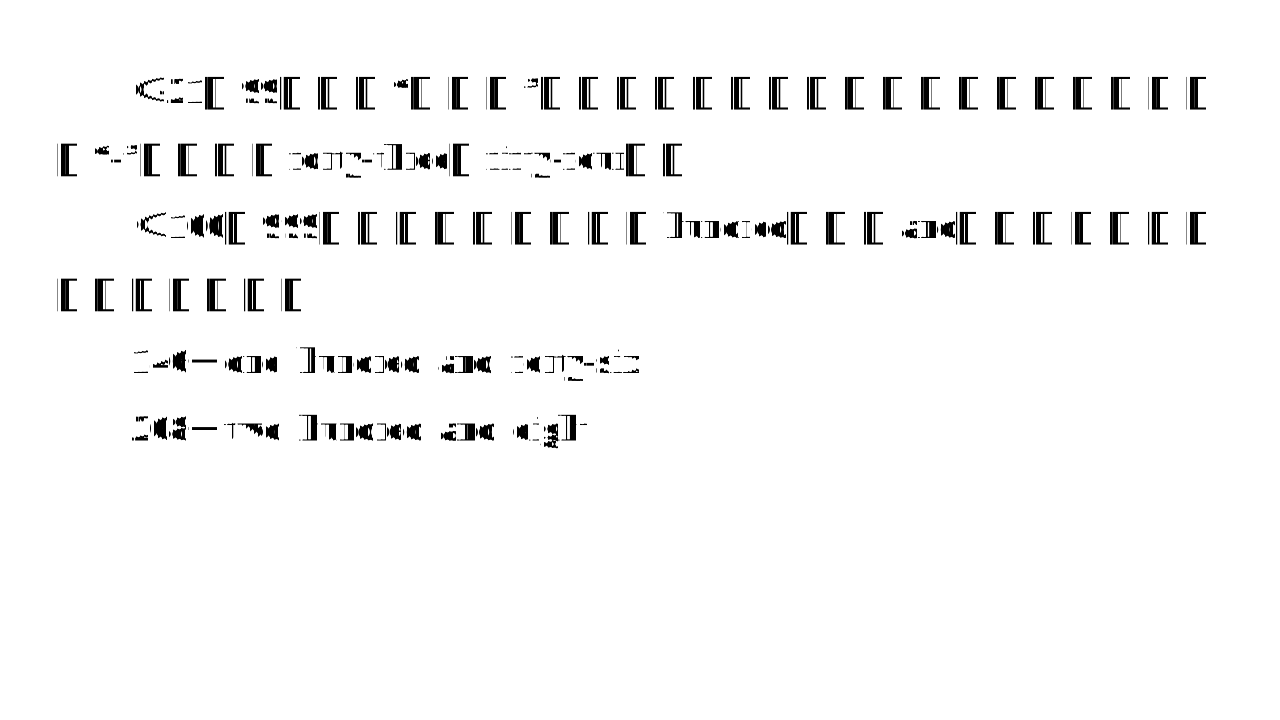
④21~99等表示“几十几”的基数词,由十位数和个位数之间加连字符“-”构成。如forty-three、fifty-four等。
⑤100~999的基数词是在百位数hundred之后加and,再加十位数和个位数。例如:
146→one hundred and forty-six
208→two hundred and eight
‹#›
4
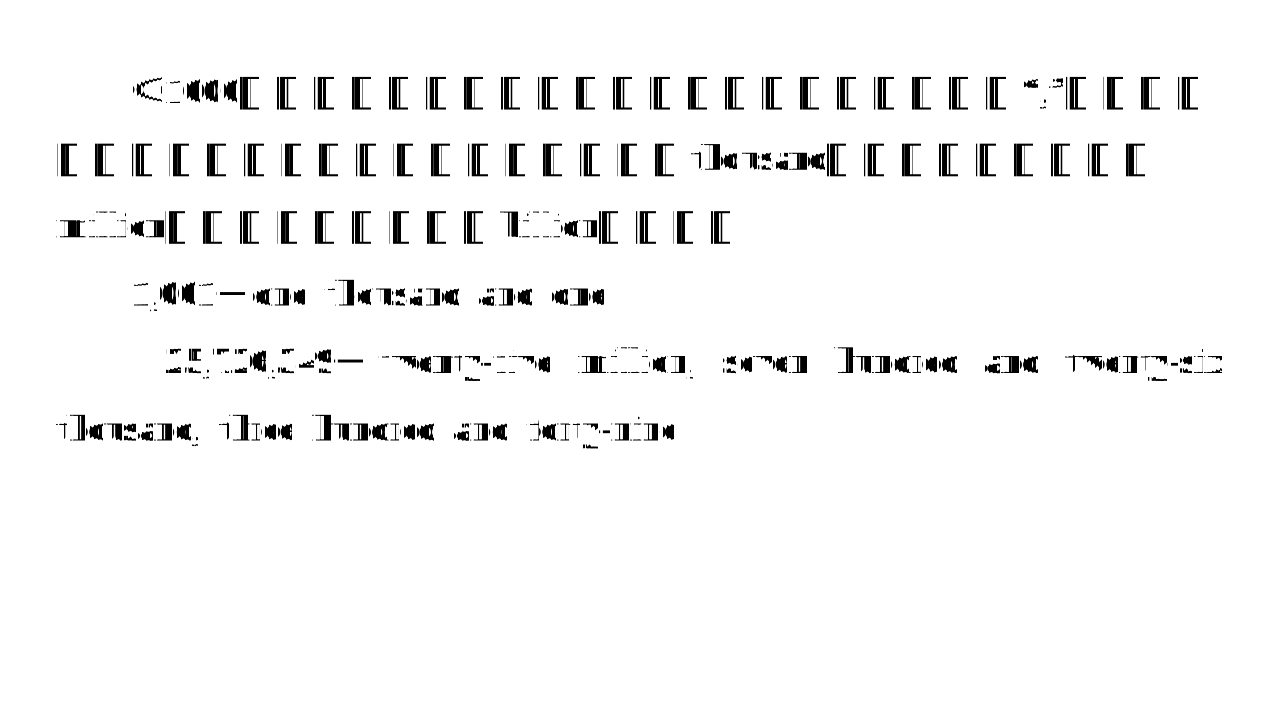
⑥1000及以上的基数词的表示方法:从右向左用分节号“,”分节,每三个数字为一个节,第一个分节号前用thousand,第二个分节号前用million,第三个分节号前用billion。例如:
1,001→one thousand and one
25,726,349→twenty-five million, seven hundred and twenty-six thousand, three hundred and forty-nine
‹#›
5
(2) 基数词的常见用法
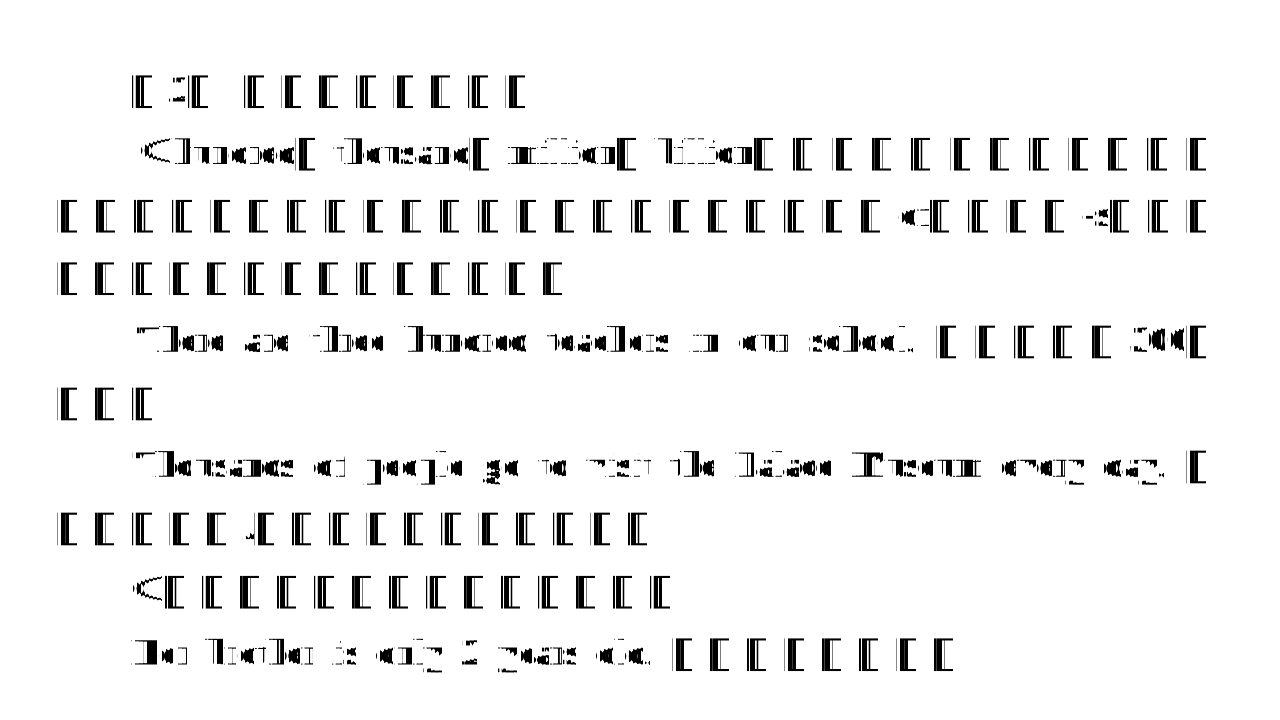
①hundred、thousand、million、billion前面有具体数字时,用单数形式,此时用来表示确切的数目;它们后面跟介词of时,需加-s,此时用来表示不确切的数目。例如:
There are three hundred teachers in our school. 我们学校有300名教师。
Thousands of people go to visit the Palace Museum every day. 每天都有数千/成千上万人去参观故宫。
②表示年龄、年份或年代。例如:
Her brother is only 2 years old. 她的弟弟才两岁。
‹#›
6
③表示时刻。例如:
7:20→seven twenty
④表示编号,名词在前,基数词在后。例如:
Page Two 第二页
Room 403 403号房间
‹#›
7
2.序数词
序数词表示人或事物的先后顺序,常用来谈论日期、楼层、位置等。
(1)序数词的构成
①一般由相应的基数词后加-th构成。注意下列特殊变化:
one→first; two→second; three→third; five→fifth; eight→eighth; nine→ninth; twelve→twelfth
②以-ty结尾表示整十的基数词变为序数词时,将y变为ie,再加-th。例如:
twenty→twentieth thirty→thirtieth
‹#›
8
③其他两位或两位以上的基数词变成序数词时,只需要将个位数变成序数词。例如:
three hundred and sixty-five→three hundred and sixty-fifth
④序数词的缩略形式由阿拉伯数字加序数词最后面的两个字母构成。例如:
first→1st eleventh→11th
‹#›
9
(2)序数词的用法
①序数词常与定冠词the连用,在句中作主语、宾语、定语或表语;与不定冠词a/an连用则意为“又一,再一”。例如:
Sunday is the first day of a week. 星期日是每周的第一天。
Please give me a second chance. 请再给我一次机会。
‹#›
10
②表示日期、楼层等。例如:
My birthday is on January 5th. 我的生日在1月5日。
His office is on the tenth floor. 他的办公室在10楼。
注意:当表达“年、月、日”时,尤其是在朗读时,序数词前面要加th
资源预览图
1
2
3
4
5
6
相关资源
由于学科网是一个信息分享及获取的平台,不确保部分用户上传资料的 来源及知识产权归属。如您发现相关资料侵犯您的合法权益,请联系学科网,我们核实后将及时进行处理。