专题01 动词-2023年高中英语九大词性分类与用法详解
2023-03-13
|
30页
|
1837人阅读
|
34人下载
精品
资源信息
| 学段 | 高中 |
|---|---|
| 学科 | 英语 |
| 教材版本 | - |
| 年级 | - |
| 章节 | - |
| 类型 | 课件 |
| 知识点 | 动词 |
| 使用场景 | 同步教学 |
| 学年 | 2023-2024 |
| 地区(省份) | 全国 |
| 地区(市) | - |
| 地区(区县) | - |
| 文件格式 | PPTX |
| 文件大小 | 172 KB |
| 发布时间 | 2023-03-13 |
| 更新时间 | 2023-03-13 |
| 作者 | MmRrrrrrr |
| 品牌系列 | - |
| 审核时间 | 2023-03-13 |
| 下载链接 | https://m.zxxk.com/soft/38051355.html |
| 价格 | 3.00储值(1储值=1元) |
| 来源 | 学科网 |
内容正文:
Grammar
动词
(Verbs)
动词是用来描述主语的动作、行为或状态的词,在句中只能作谓语,是句子中不可缺少的部分。
一、动词分类
1.实义动词
实义动词是表示动作或状态的动词,在句中可以单独作谓语,有自己完整的、实在的意义。
实义动词可分为及物动词和不及物动词。
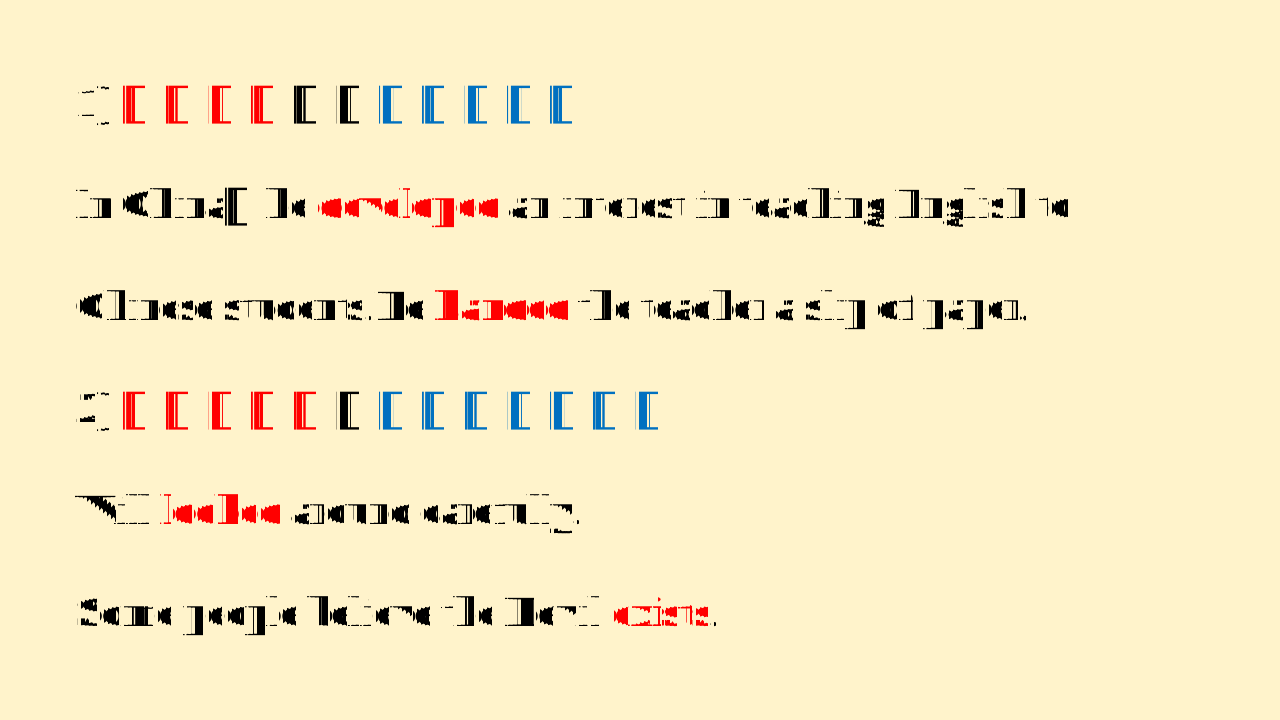
1) 及物动词后可直接带宾语
In China,he developed an interest in teaching English to Chinese students.He handed the teacher a slip of paper.
2) 不及物动词后不能直接带宾语
Will looked around carefully.
Some people believe the Devil exists.
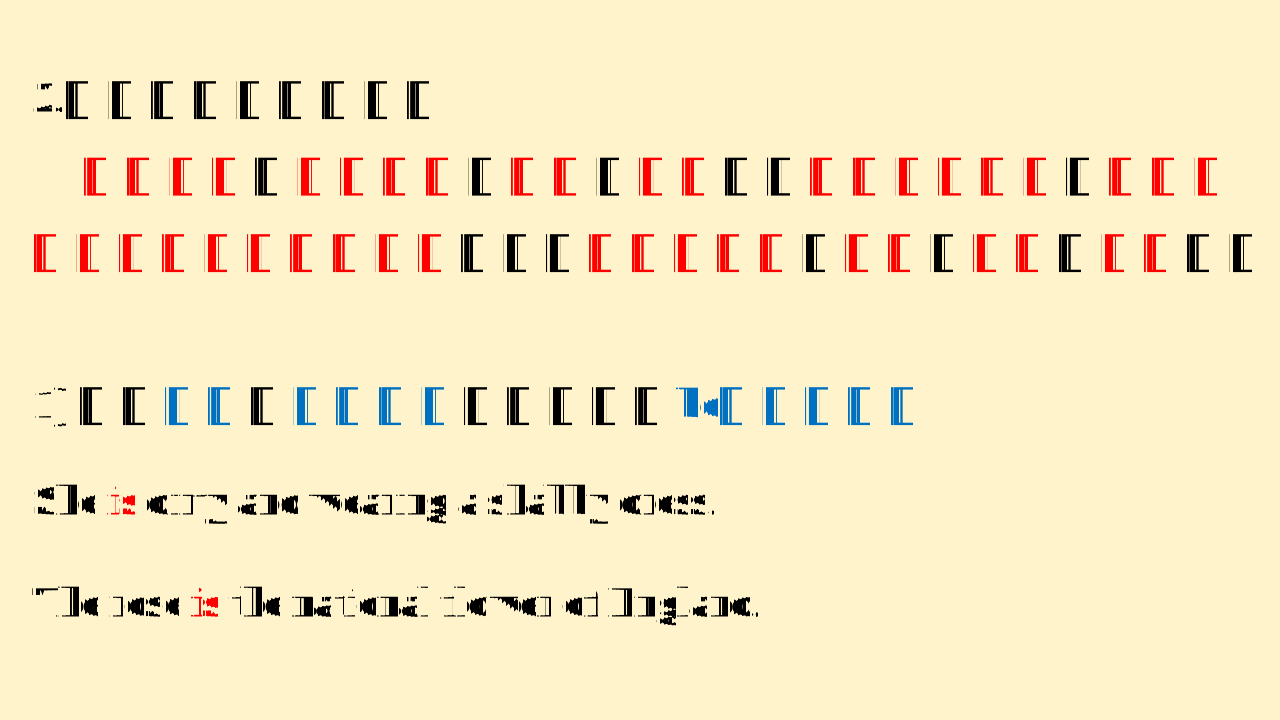
2.连系动词又称系动词
连系动词是连接主语和表语的动词。它不能独立存在,后面必须跟表语一起构成谓语,表示主语的身份、类别、特征、状态等。
1) 表示状态的连系动词,常用的是be的各种形式
She is dirty and wearing a shabby dress.
The rose is the national flower of England.
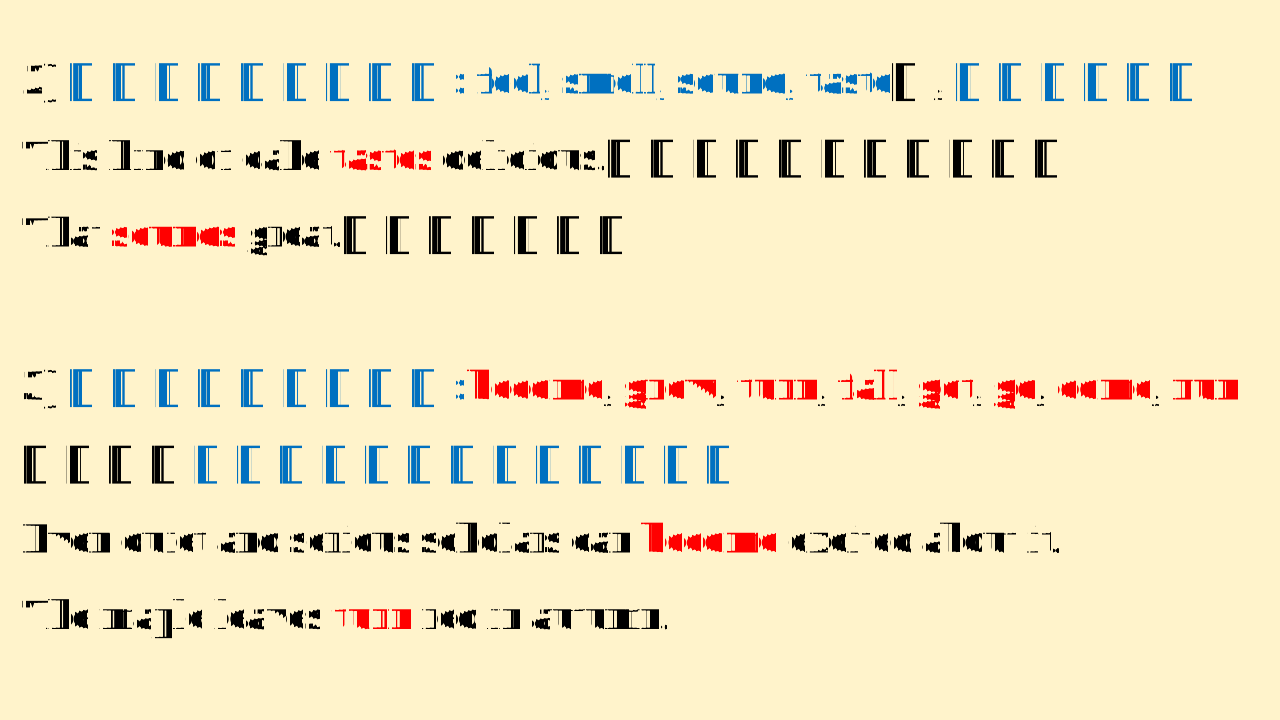
2) 表示感官的连系动词: feel, smell, sound, taste等, 没有被动语态
This kind of cake tastes delicious.这种蛋糕尝起来很美味。
That sounds great.听起来妙极了。
3) 表示变化的连系动词:become, grow, turn, fall, get, go, come, run等,主要用来表示主语变化成什么情况
Even quiet and serious scholars can become excited about it.
The maple leaves turn red in autumn.
4) 表示表像的连系动词: seem,appear,look等
She used to smile all the time but now she looks washed out and unhappy.
He seemed disappointed when he was refused.
5) 表示终止的连系动词: prove, turn out等
I imagined it would prove an easy task.
The medicine turned out highly effective.。
6) 表示持续的连系动词: remain, keep, stay等
He always keeps silent at the meeting.
3.助动词
助动词不能独立作谓语,必须和动词原形或分词构成复合谓语,
表示实义动词的时态、语态、语气、人称和数等。
1) 助动词be可以和过去分词构成被动语态,或与现在分词构成各种进行时态
History is made by the people.
She is doing her homework now.
2) 助动词do主要用来帮助实义动词构成否定、疑问等形式,
也可在一般现在时(do\does)或一般过去时(did)的句子中,
置于实义动词原形前起强调作用
Do you like her talk show?(do构成一般疑问句)
I do want to have a talk with you.(do表示强调)
3) 助动词have\has\had主要和过去分词一起构成各种完成时态
Since it began in 1951, we have given awards to films
from all around the globe.(现在完成时)
How long had he been away when you arrived?(过去完成时)
4) 情态动词又称情态助动词
情态动词本身有一定的意义,但不能独立作谓语,没有人称和数的变化,用来表示说话人对某一状态或动作的态度或看法
If you won’t keep quiet you can get out.
You shouldn’t laugh at him when he in trouble.
动词原形 V.
过去式 V-ed
过去分词 V-ed
现在分词 V-ing
动词三单 V-s
二、动词形式
规则动词变化形式:
1.动词三单变化规则:
1) 一般情况下直接+ s :help-helps
2) 以不发音e结尾直
资源预览图
1

2

3
4
5
6

相关资源
由于学科网是一个信息分享及获取的平台,不确保部分用户上传资料的 来源及知识产权归属。如您发现相关资料侵犯您的合法权益,请联系学科网,我们核实后将及时进行处理。