专题04 副词-2023年高中英语九大词性分类与用法详解
2023-03-13
|
34页
|
556人阅读
|
7人下载
精品
资源信息
| 学段 | 高中 |
|---|---|
| 学科 | 英语 |
| 教材版本 | - |
| 年级 | - |
| 章节 | - |
| 类型 | 课件 |
| 知识点 | 副词 |
| 使用场景 | 同步教学 |
| 学年 | 2023-2024 |
| 地区(省份) | 全国 |
| 地区(市) | - |
| 地区(区县) | - |
| 文件格式 | PPTX |
| 文件大小 | 2.67 MB |
| 发布时间 | 2023-03-13 |
| 更新时间 | 2023-03-13 |
| 作者 | MmRrrrrrr |
| 品牌系列 | - |
| 审核时间 | 2023-03-13 |
| 下载链接 | https://m.zxxk.com/soft/38051350.html |
| 价格 | 3.00储值(1储值=1元) |
| 来源 | 学科网 |
内容正文:
副词
Adverbs
1
Part 1
Part 2
Part 3
基本用法
比较级&最高级
练习
2
Part 1
基本用法
3
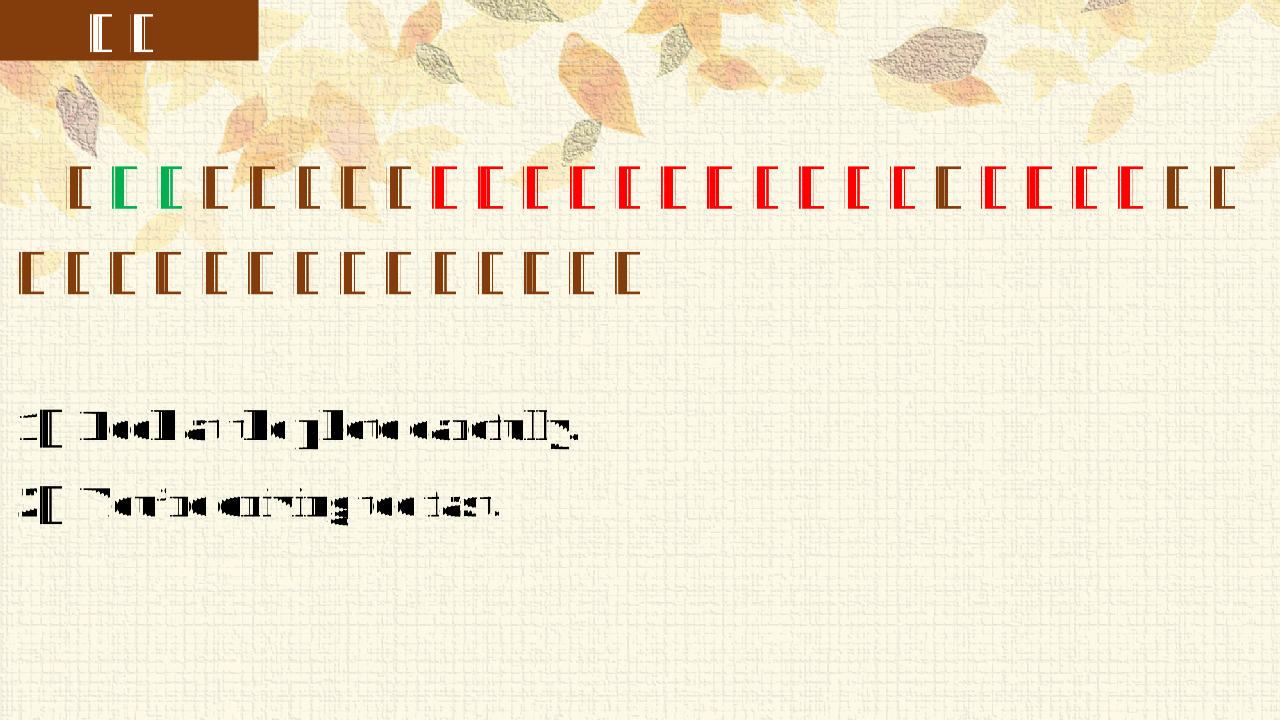
作用
作状语,用来修饰动词,形容词,其它副词或整个句子,说明时间,地点,程度,方式等。
1)Look at the photo carefully.
2)You’re driving too fast.
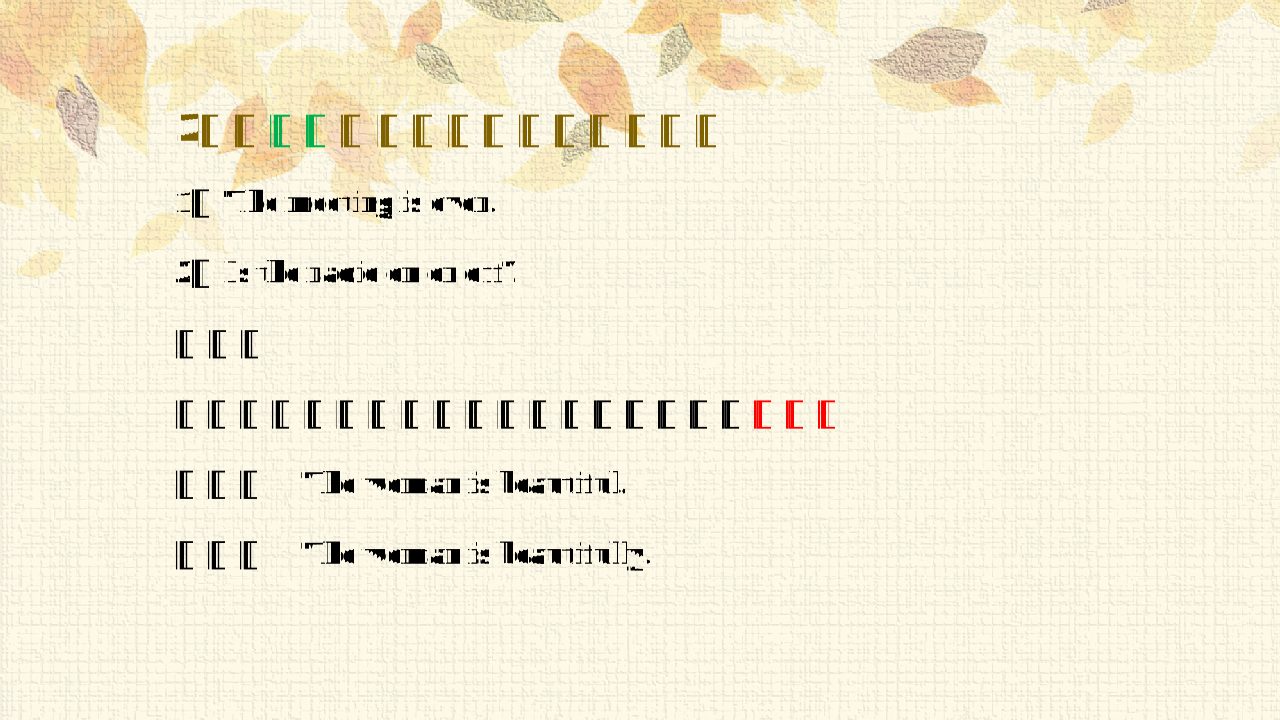
2、作表语,主要指主语的状态等。
1)The meeting is over.
2)Is the radio on or off?
【注】
在通常情况下,用作表语时不用副词而用形容词
如可说 The woman is beautiful.
而不说 The woman is beautifully.
3.作宾语,副词用作宾语的用法十分有限,通常只用作介词宾语
1) It’s hot in here.
2) I’ll stay at home tonight.
4.作补语,说明宾语或主语所处的位置、状态等,可作宾补和主补
1)Ask him in, please.
2)We must try to help him through.
5.作定语,主要为表示时间或地点的副词,词作定语时应后置
1)The people there were very friendly.
2)Do you know the people downstairs?
3)The shops around are very cheap.
1、方式副词(Adverbs of Manner):
表示“怎样做”的副词叫作方式副词
1)Let’s go to the cinema together.
2)We will finish this task easily.
3)My little brother behaved badly.
常用的方式副词有:
anyhow actively slowly immediately finally
calmly late early carefully quickly quietly
分类
2、 地点副词(Adverbs of Place):
说明动作在什么地方发生的副词
1)We have looked everywhere for our missing schoolbags.
2)Yesterday I went nowhere.
地点副词有:
above 在……上面 below 在…下方
here 这里 there 那里
abroad 海外,国外 inland 到( 在)内地
anywhere无论那里 nowhere 那里也不
elsewhere 往别处 somewhere 某地 everywhere 处处
upstairs 在楼上 downstairs 在楼下
3、时间副词(Adverbs of Time):
表示动作是什么时候发生的副词
1)She got up so early that she could catch the first bus.
2)He hasn’t come yet.
3)I have read ten books recently.
时间副词有:
ago 以前 after 以后 afterward以后 soon 不久以后
today 今天 yesterday 昨天 tomorrow 明天 tonight 今夜
nowadays 现今 lately 最近 recently 最近
immediately 立刻 presently 目前 already 已经
在时间副词中还包含频度副词:表示不定时间的副词叫频度副词
对频度副词提问用“How often”
频度副词应放在行为动词之前或者连系动词之后:行前Be后
She sometimes comes to school late.
频度副词有:
often 常常 always 永远,总是
sometimes 有时 usually 平常
seldom 很少 never 从不
ever 在任何时候 rarel
资源预览图

1
2

3
4
5

6

相关资源
由于学科网是一个信息分享及获取的平台,不确保部分用户上传资料的 来源及知识产权归属。如您发现相关资料侵犯您的合法权益,请联系学科网,我们核实后将及时进行处理。