Unit 3 第2课时 Learning About Language-(课件)2022-2023学年新教材高中英语选择性必修第二册【南方凤凰台·5A新学案】人教版
2022-11-29
|
16页
|
542人阅读
|
5人下载
教辅
内容正文:
Unit 3 Food and Culture
第2课时 Learning About Language
——过去完成时
第1页
Unit 3 Food and Culture
5A新学案 英语 · 选择性必修第二册
精讲精练
had ignored
had read
had been
had thought
had been forbidden
had been trapped
have been produced
had been sent
had painted
moved
had made
died
had studied
left
had run
arrived
had turned
went
went
had made
said
had read
failed
had made
were having/had had
got
I had planned to go, but I didn't have time.
That was the first time that I had driven a taxi.
When we got there, the basketball match had already started.
By the end of that year, Henry had collected more than a thousand stamps.
Thank you for watching
第1页
Unit 3 Food and Culture
5A新学案 英语 · 选择性必修第二册
观察以下例句,体会过去完成时的用法。
1. Prior to coming to China, my only experience with Chinese cooking was in America, with Chinese food that had been changed to suit American tastes.
2. When my family and I had just arrived in China, we went looking for a good place to eat in Beijing.
3. We had no idea how to order, so the chef just began filling our table with the best food we had ever eaten.
4. That was the first time that she had been invited to visit the Great Wall.
5. An incredible treehouse restaurant had been completed by the end of last month and a large crowd of people went there for meals.
6. By the end of the 1980s, Sinclair had tired of his various business, and was throwing himself into British Mensa, a club for clever people.
Ⅰ. 过去完成时
1. 基本结构:had+过去分词
陈述句
一般疑问句
I
had (not) done
Had
I
done...?
He/She/It
he/she/it
We
we
You
you
They
they
2. 基本用法
① 表示在过去某一时间或事件之前已经完成的动作,句中有明显的参照动作或时间状语。
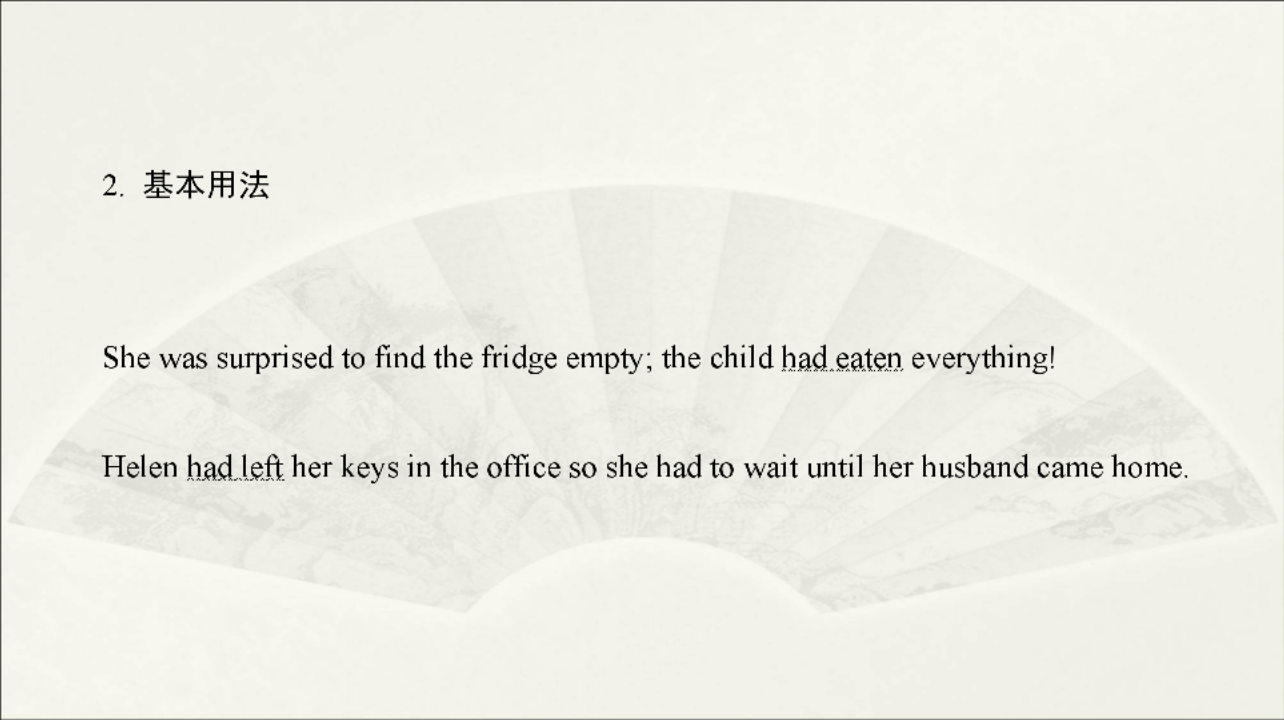
She was surprised to find the fridge empty; the child had eaten everything!
她惊讶地发现冰箱里空空如也;她的孩子把里面的东西全吃光了!
Helen had left her keys in the office so she had to wait until her husband came home.
海伦把钥匙落在办公室了,所以她必须一直等到她丈夫回来才可以进去。
② 表示在过去某一时间或事件之前存在的状态,此时谓语应为延续性动词。常用的时间状语有:by then、 by the end of、 by that time、 until then、 b
资源预览图

1

2

3

4

5
6
相关资源
示范课
由于学科网是一个信息分享及获取的平台,不确保部分用户上传资料的 来源及知识产权归属。如您发现相关资料侵犯您的合法权益,请联系学科网,我们核实后将及时进行处理。