专题9.阅读理解---主旨大意题--(2020-2023)三年新高考英语真题+两年模拟题分项汇编解析
2022-09-08
|
2份
|
50页
|
2435人阅读
|
35人下载

资源信息
| 学段 | 高中 |
|---|---|
| 学科 | 英语 |
| 教材版本 | - |
| 年级 | 高三 |
| 章节 | - |
| 类型 | 题集-试题汇编 |
| 知识点 | - |
| 使用场景 | 高考复习-真题 |
| 学年 | 2022-2023 |
| 地区(省份) | 全国 |
| 地区(市) | - |
| 地区(区县) | - |
| 文件格式 | ZIP |
| 文件大小 | 430 KB |
| 发布时间 | 2022-09-08 |
| 更新时间 | 2023-04-09 |
| 作者 | 小米夏 |
| 品牌系列 | - |
| 审核时间 | 2022-09-08 |
| 下载链接 | https://m.zxxk.com/soft/34877178.html |
| 价格 | 5.00储值(1储值=1元) |
| 来源 | 学科网 |
内容正文:
阅读理解---主旨大意题
【5年高考】
A组 统一命题·新高考卷、课标卷题组
(2022年新高考全国Ⅰ卷)D
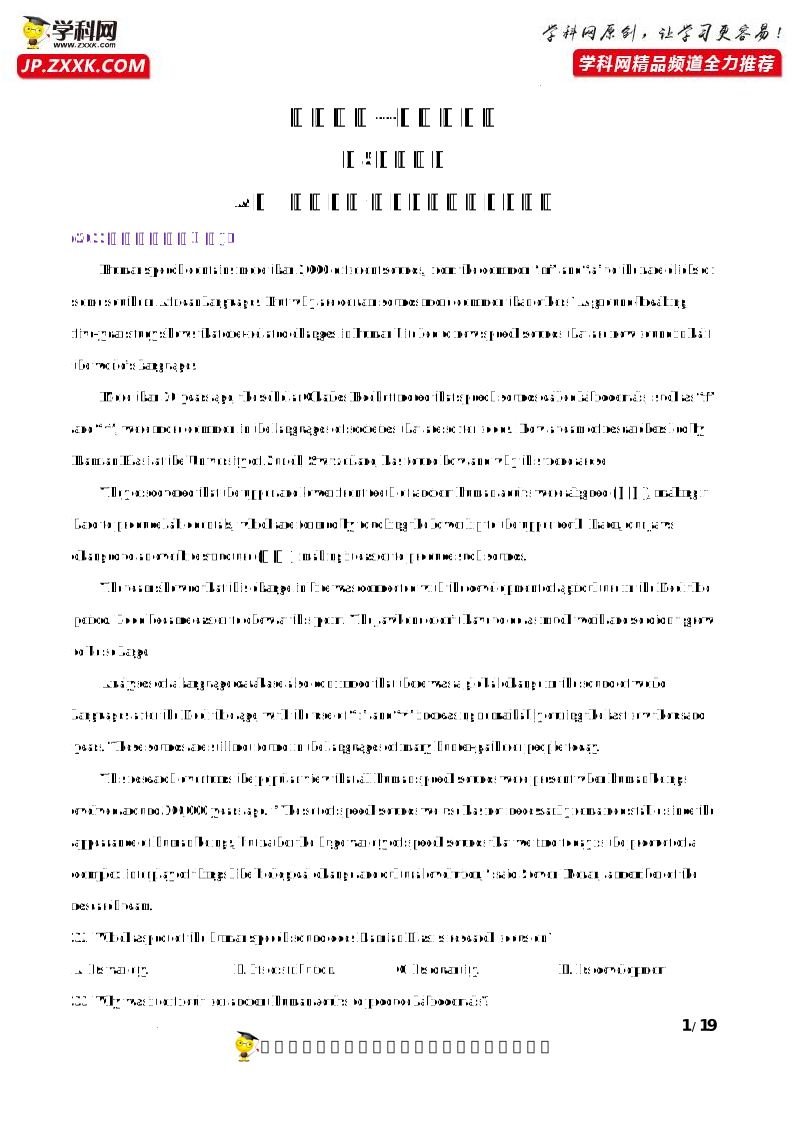
Human speech contains more than 2,000 different sounds, from the common “m” and “a” to the rare clicks of some southern African languages. But why are certain sounds more common than others? A ground-breaking, five-year study shows that diet-related changes in human bite led to new speech sounds that are now found in half the world’s languages.
More than 30 years ago, the scholar Charles Hockett noted that speech sounds called labiodentals, such as “f” and “v”, were more common in the languages of societies that ate softer foods. Now a team of researchers led by Damián Blasi at the University of Zurich, Switzerland, has found how and why this trend arose.
They discovered that the upper and lower front teeth of ancient human adults were aligned (对齐), making it hard to produce labiodentals, which are formed by touching the lower lip to the upper teeth. Later, our jaws changed to an overbite structure (结构), making it easier to prod
资源预览图
1
2
3

相关资源
由于学科网是一个信息分享及获取的平台,不确保部分用户上传资料的 来源及知识产权归属。如您发现相关资料侵犯您的合法权益,请联系学科网,我们核实后将及时进行处理。