UNIT 8 Period Ⅴ 单元语法(word教参)-【优化探究】2021-2022学年新教材高中英语选择性必修第三册配套教参(北师大版)
2022-04-24
|
7页
|
189人阅读
|
21人下载
教辅

资源信息
| 学段 | 高中 |
|---|---|
| 学科 | 英语 |
| 教材版本 | 高中英语北师大版选择性必修第三册 |
| 年级 | 高二 |
| 章节 | Viewing Workshop |
| 类型 | 教案 |
| 知识点 | - |
| 使用场景 | 同步教学 |
| 学年 | 2022-2023 |
| 地区(省份) | 全国 |
| 地区(市) | - |
| 地区(区县) | - |
| 文件格式 | DOCX |
| 文件大小 | 320 KB |
| 发布时间 | 2022-04-24 |
| 更新时间 | 2023-04-09 |
| 作者 | 山东金太阳教育集团有限公司 |
| 品牌系列 | 优化探究·高中同步导学案 |
| 审核时间 | 2022-04-24 |
| 下载链接 | https://m.zxxk.com/soft/33303100.html |
| 价格 | 3.00储值(1储值=1元) |
| 来源 | 学科网 |
内容正文:
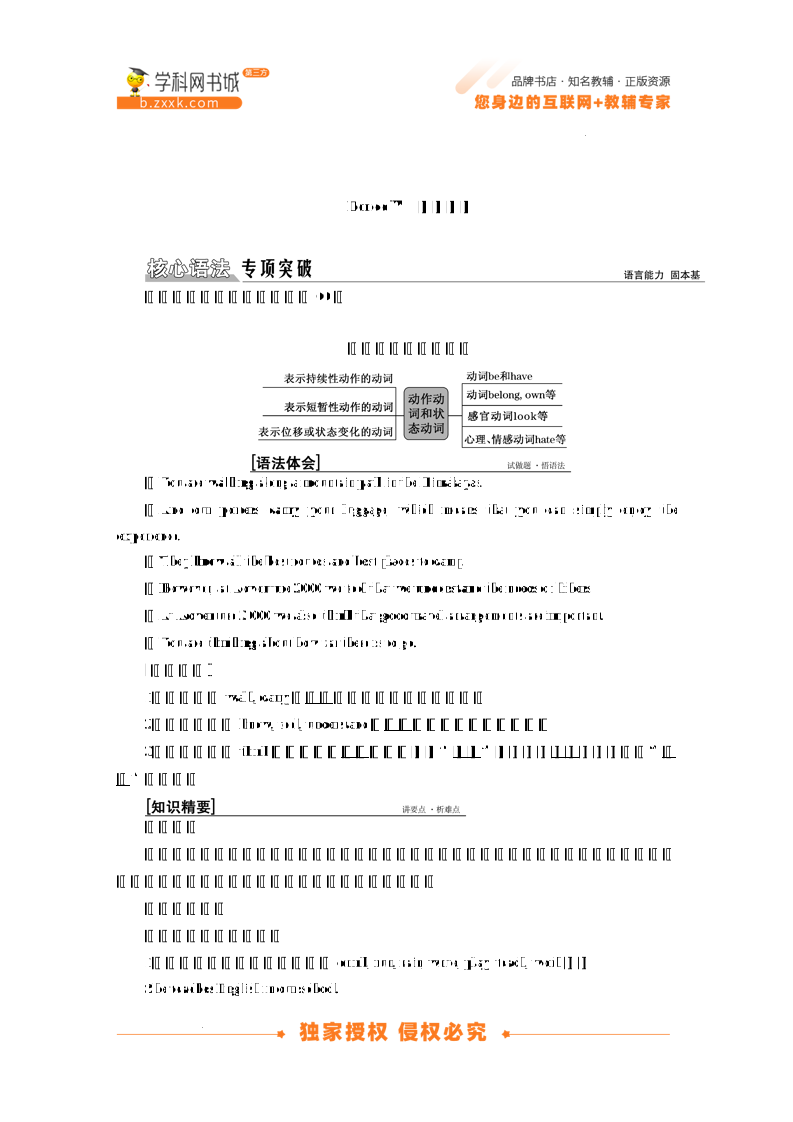
Period Ⅴ 单元语法
授课提示:对应学生用书第60页
状态动词和动作动词
①You are walking along a mountain path in the Himalayas.
②And our porters carry your luggage, which means that you can simply enjoy the experience.
③They know all the best routes and best places to camp.
④However, at Adventure 2000 we feel that we understand the needs of hikers.
⑤At Adventure 2 000 we also think that good travel arrangements are important.
⑥You are thinking about how far there is to go.
[自我探究]
1.①②句中walk, carry为动作动词,可用于进行时态。
2.③④句中的know, feel, understand为状态动词,常用一般时态。
3.⑤⑥句中的think既可以作为动作动词,意为“考虑”;也可为状态动词,表示“认为”的意思。
一、概述
在英语中,动词分为动作动词和状态动词。动作动词描述动作,可用于一般时态和进行时态;而状态动词描述状态,一般不用于进行时态。
二、动作动词
动作动词可分为三类:
1.表示持续性动作的动词,如drink, run, rain, write, play, teach, work等。
She teaches English in our school.
她在我们学校教英语。
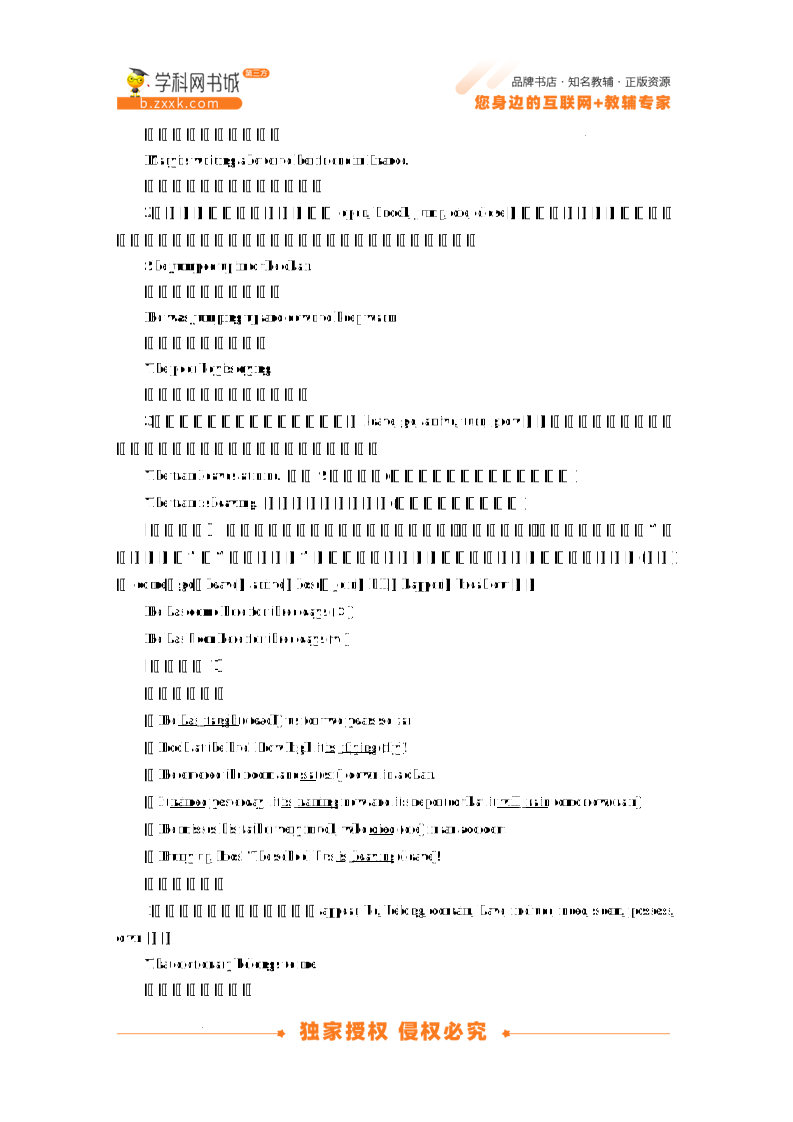
Mary is writing a letter to her friend in France.
玛丽正在给法国的朋友写信。
2.表示短暂性动作的动词,如open, knock, jump, die, close等。它们用于进行时态时,一般表示动作正在发生的瞬间或动作多次重复或即将发生。
She jumped up into the chair.
她跳起来坐到椅子上。
He was jumping up and down to keep warm.
他上下跳动来取暖。
The poor boy is dying.
那个可怜的男孩生命垂危。
3.表示位移或状态变化的动词,如leave, go, arrive, turn, grow等。这类动词既可用于进行时态,也可用于一般时态,但意义不同。
The train leaves at nine. 火车9点开车。(指按时间表或日程表发生某事)
The train is leaving. 火车马上就要开了。(表示即将发生的动作)
[名师点津] 有些动作动词表示的是短暂性的动作,没有持续性,这类动词一般称为“非延续性动词”或“终止性动词”,不能同表示一段时间的状语连用。常见的这类动词(词组)有come,go,leave,arrive,lose,join,kill,happen,break out等。
He has come here for three days.(×)
He has been here for three days.(√)
[即学即用1]
单句语法填空
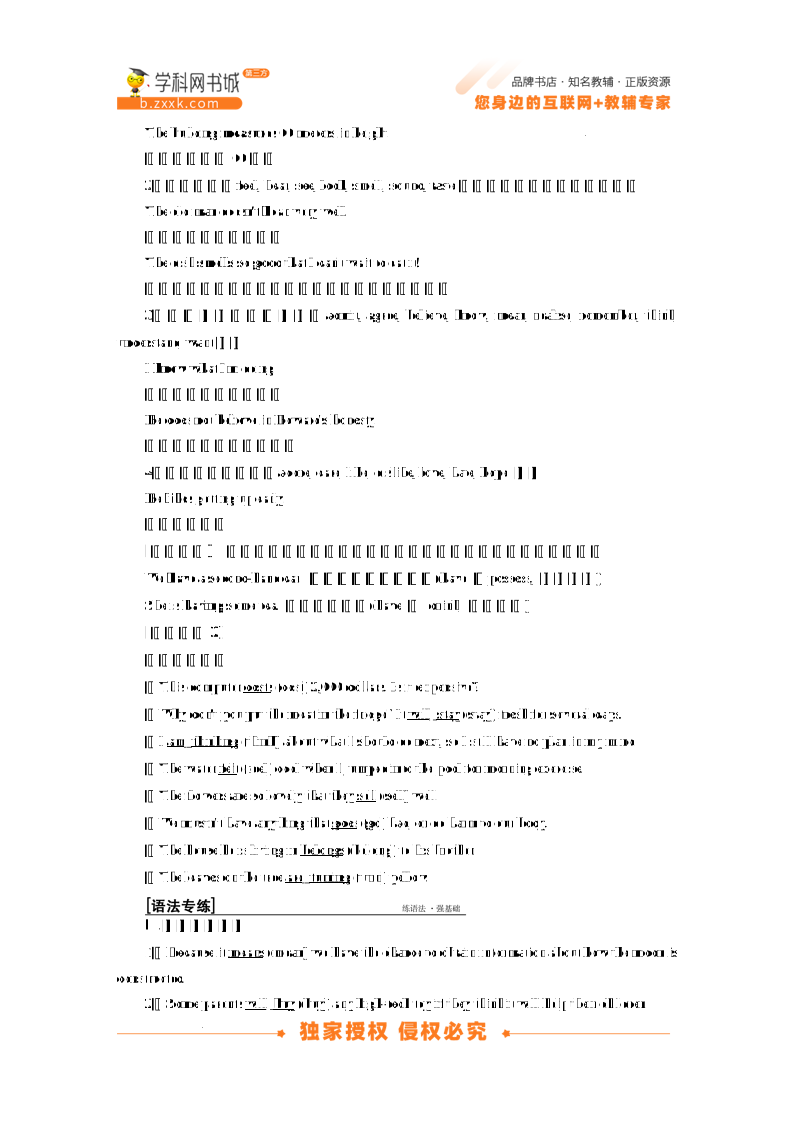
①He has_taught (teach) us for two years so far.
②Look at the kite! How high it is_flying (fly)!
③He entered the room and sat (sit) down in a chair.
④It rained yesterday; it is_raining now and it's reported that it will_rain tomorrow.(rain)
⑤He misses his father very much, who died (die) in an accident.
⑥Hurry up, kids! The school bus is_leaving (leave)!
三、状态动词
1.表示拥有和存在的动词:appear, be, belong, contain, have, include, need, seem, possess, own 等。
That dictionary belongs to me.
那本字典属于我。
The building measures 60 meters in height.
这幢建筑物高60米。
2.感官动词:feel, hear, se
资源预览图
1
2
3
相关资源
由于学科网是一个信息分享及获取的平台,不确保部分用户上传资料的 来源及知识产权归属。如您发现相关资料侵犯您的合法权益,请联系学科网,我们核实后将及时进行处理。