Unit 4 A glimpse of the future Using language 导学案-2021-2022学年高中英语外研版选择性必修第三册
2022-03-25
|
6页
|
1074人阅读
|
6人下载
特供
资源信息
| 学段 | 高中 |
|---|---|
| 学科 | 英语 |
| 教材版本 | 高中英语外研版选择性必修第三册 |
| 年级 | 高二 |
| 章节 | Using language |
| 类型 | 学案-导学案 |
| 知识点 | - |
| 使用场景 | 同步教学 |
| 学年 | 2022-2023 |
| 地区(省份) | 辽宁省 |
| 地区(市) | - |
| 地区(区县) | - |
| 文件格式 | DOCX |
| 文件大小 | 198 KB |
| 发布时间 | 2022-03-25 |
| 更新时间 | 2022-03-25 |
| 作者 | 匿名 |
| 品牌系列 | - |
| 审核时间 | 2022-03-25 |
| 下载链接 | https://m.zxxk.com/soft/32956470.html |
| 价格 | 2.00储值(1储值=1元) |
| 来源 | 学科网 |
内容正文:
课题:Using language-subject-verb agreement II
Objectives:
1.to master the main points and test points of subject-verb agreement.
2. to flexibly use subject-verb agreement.
一般说来,谓语必须与主语在人称和数上保持一致,即主谓一致。
主谓一致涉及三个方面:语法上一致,意义上一致,就近一致。
1、 语法上一致
二、意义上一致
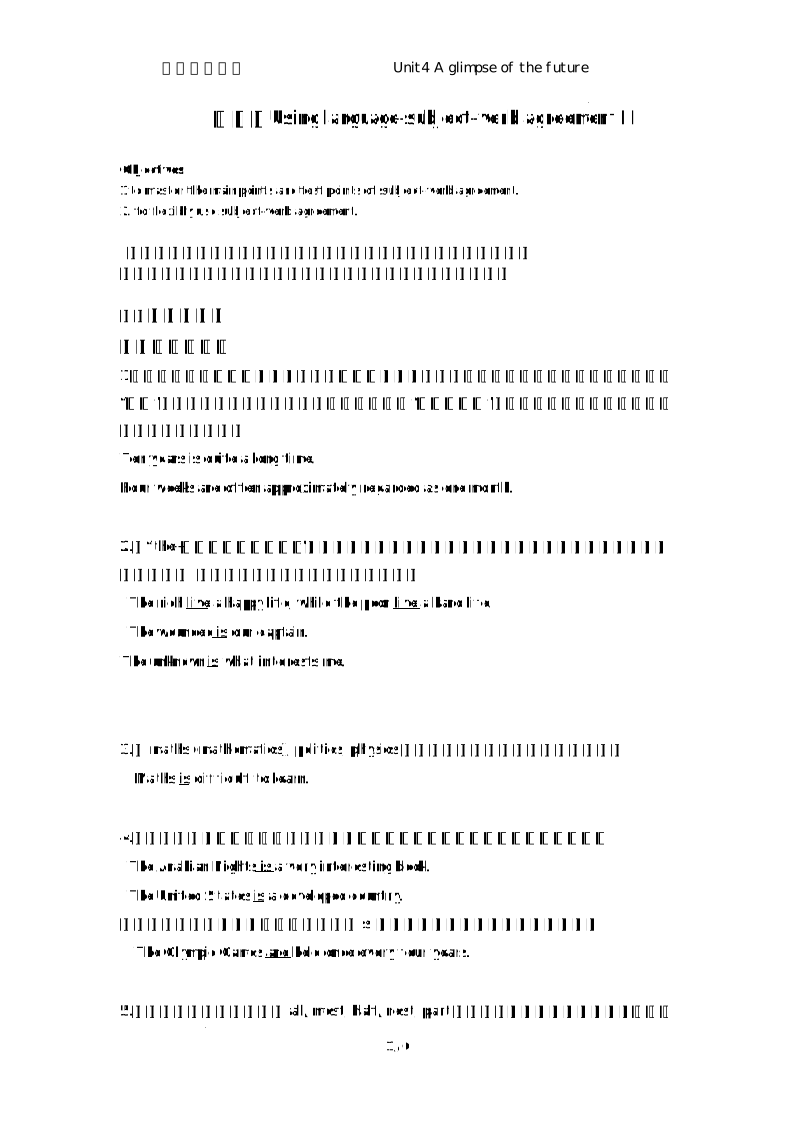
1.当表示时间,金钱,体积,重量,面积,距离,价格、度量等的名词作主语时若其意义指“总量”应看作单数,谓语用单数;但若其意义指“有多少数量”,则应该看作复数,那么谓语动词也应该用复数。
Ten years is quite a long time.
Four weeks are often approximately regarded as one month.
2.当“the+形容词(过去分词)”指一类人作主语时,谓语用复数。指个人或抽象概念时,谓语用单数。 指一类事物时谓语动词一般用单数。
The rich live a happy life, while the poor live a hard life.
The wounded is our captain.
The unknown is what interests me.
3.当maths (mathematics), politics, physics等学科名词作主语时,谓语用单数。
Maths is difficult to learn.
4.用作书名、剧名、报名、国名、地区名称的复数名词作主语时,谓语用单数。
The Arabian Nights is a very interesting book.
The United States is a developed country.
特殊:由山脉、群岛、瀑布、运动会等s 结尾的专有名词作主语谓语用复数。
The Olympic Games are held once every four years.
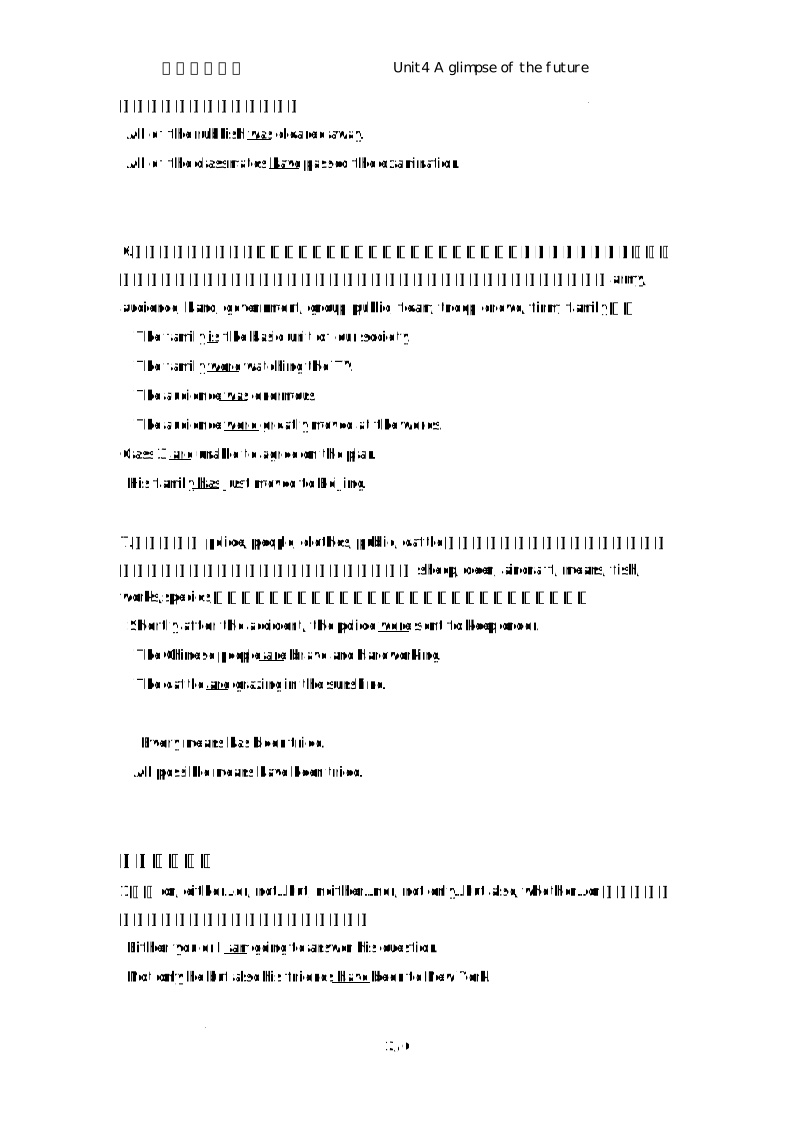
5.如果名词词组的中心词是all, most, half, rest, part等词语,表示的是复数意义,谓语动词用复
资源预览图
1
2
3

相关资源
由于学科网是一个信息分享及获取的平台,不确保部分用户上传资料的 来源及知识产权归属。如您发现相关资料侵犯您的合法权益,请联系学科网,我们核实后将及时进行处理。