阅读理解语义转换的方法与解题策略 2022届高考英语复习备考
2022-01-22
|
6页
|
443人阅读
|
11人下载
普通
资源信息
| 学段 | 高中 |
|---|---|
| 学科 | 英语 |
| 教材版本 | - |
| 年级 | 高三 |
| 章节 | - |
| 类型 | 素材 |
| 知识点 | - |
| 使用场景 | 高考复习 |
| 学年 | 2022-2023 |
| 地区(省份) | 全国 |
| 地区(市) | - |
| 地区(区县) | - |
| 文件格式 | DOCX |
| 文件大小 | 182 KB |
| 发布时间 | 2022-01-22 |
| 更新时间 | 2023-04-09 |
| 作者 | 匿名 |
| 品牌系列 | - |
| 审核时间 | 2022-01-22 |
| 下载链接 | https://m.zxxk.com/soft/32281878.html |
| 价格 | 0.50储值(1储值=1元) |
| 来源 | 学科网 |
内容正文:
高考英语复习备考:阅读理解语义转换的方法与解题策略
语义转换的方法既有语言知识层面也有思维能力层面,这也恰恰吻合考试大纲中对阅读理解能力的要求:既能理解具体的事实,也能理解抽象的概念;既能理解字面意思,也能理解根据字面意思推断出没有明确说出的深层含义。
一、语言知识层面的语义转换
语言知识层面的语义转换主要有同义词替换、反向表达及非对等结构替换。
1. 同义词替换
这种转换相对简单,就是直接用同义词或者近义词来替代原文中的单词。解题时,考生应根据题意,快速在文中定位关键信息,然后再根据原文中的单词,选择与原文信息相接近的选项,这样就可以确定正确答案。
[例1](全国I卷)Disappointed by many a broken, vine-ripened(蔓上成熟的) promise, I’ve refused to buy winter tomatoes for years. No matter how attractive they look in the store, once I get them home they’re unfailingly dry, hard, and tasteless.
26. What can we learn about tomatoes sold in New York in winter?
A. They are soft. B. They look nice.
C. They taste great. D. They are juicy.
解析:题目问纽约冬天的西红柿看起来怎么样。原文的信息点是attractive(有吸引力的),与选项B的nice(美好的)是近义词,因而B选项为正确答案。
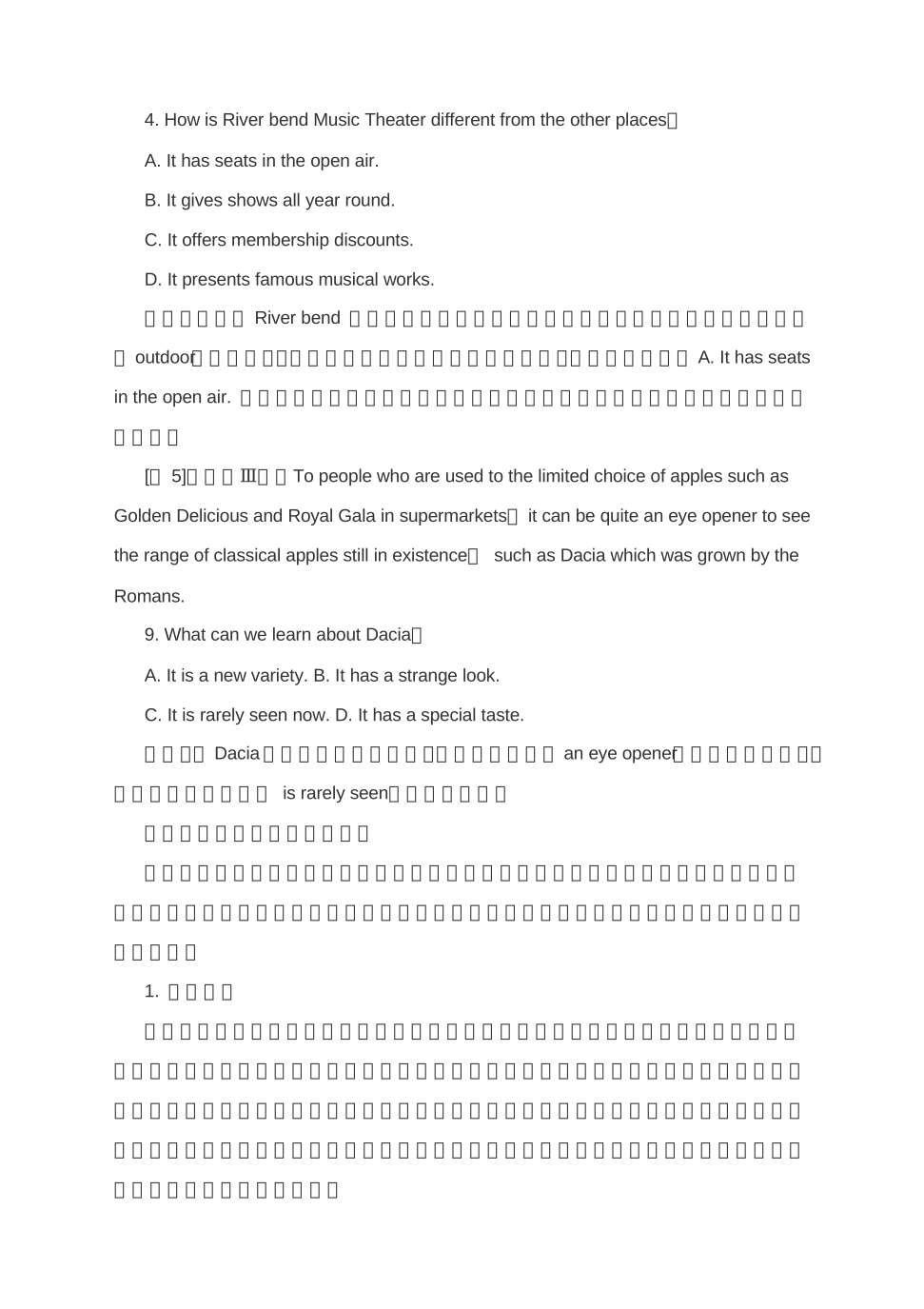
[例2](全国Ⅲ卷)Visiting an apple event is a good chance to see, and often taste, a wide variety of apples. To people who are used to the limited choice of apples such as Golden Delicious and Royal Gala in supermarkets, it can be quite an eye opener to see the range of class
资源预览图

1

2
3
相关资源
由于学科网是一个信息分享及获取的平台,不确保部分用户上传资料的 来源及知识产权归属。如您发现相关资料侵犯您的合法权益,请联系学科网,我们核实后将及时进行处理。