专题9. 读后续写 -2021-2022学年高一英语寒假精讲精练(人教版2019)
2022-01-05
|
2份
|
23页
|
915人阅读
|
27人下载

资源信息
| 学段 | 高中 |
|---|---|
| 学科 | 英语 |
| 教材版本 | - |
| 年级 | 高一 |
| 章节 | - |
| 类型 | 题集-专项训练 |
| 知识点 | - |
| 使用场景 | 寒暑假-寒假 |
| 学年 | 2022-2023 |
| 地区(省份) | 全国 |
| 地区(市) | - |
| 地区(区县) | - |
| 文件格式 | ZIP |
| 文件大小 | 1.72 MB |
| 发布时间 | 2022-01-05 |
| 更新时间 | 2023-04-09 |
| 作者 | 小米夏 |
| 品牌系列 | - |
| 审核时间 | 2022-01-05 |
| 下载链接 | https://m.zxxk.com/soft/32058334.html |
| 价格 | 3.00储值(1储值=1元) |
| 来源 | 学科网 |
内容正文:
读后续写
该题型一方面考查考生对所学语言的实际运用能力,另一方面也培养学生的发散思维能力。
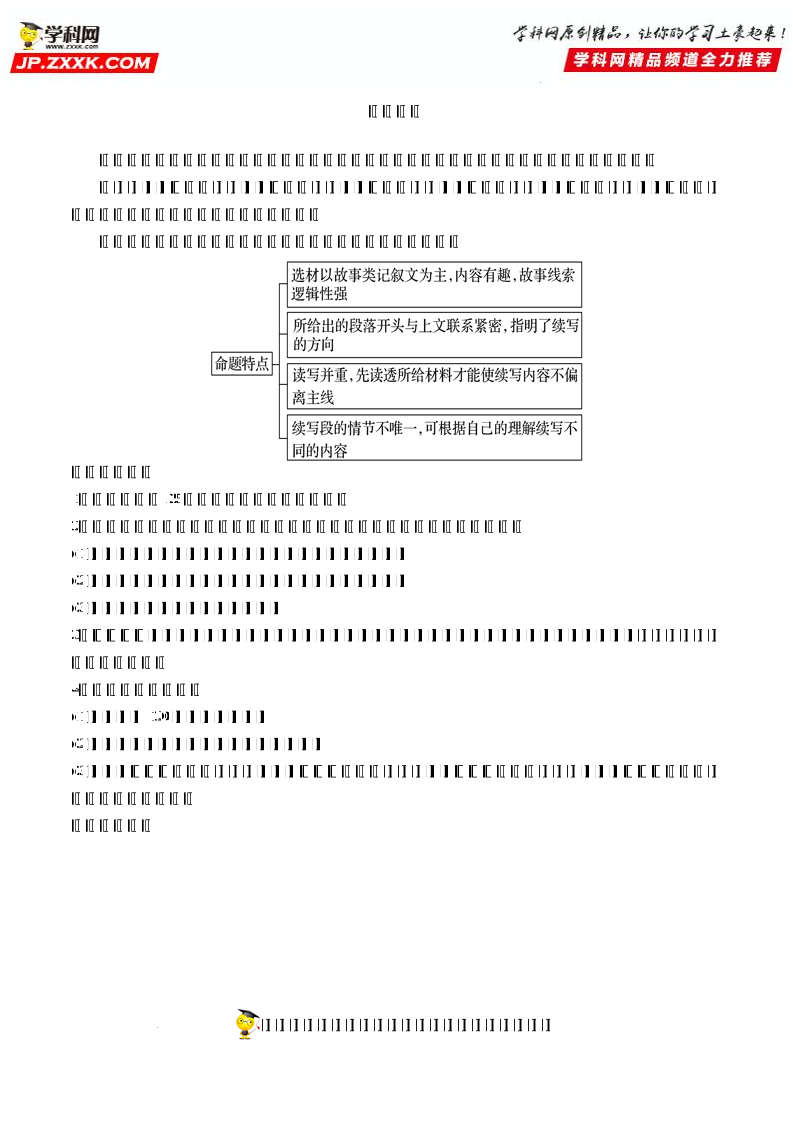
读后续写不是随心所欲地写,而是根据题目要求,再读懂原文的基础上,利用原材料的素材、线索和情节等充分发挥想象力和创造力来续写。
通过对试题的分析,我们可得出读后续写的四大命题特点:
三、评分原则
1.本题总分为25分,按七个档次进行评分。
2.评分时,应主要从内容、词汇语法和篇章结构三个方面考虑,具体为:
(1)续写内容的质量、完整性以及与原文情境的融洽度。
(2)所使用词汇和语法结构的准确性、恰当性和多样性。
(3)上下文的衔接和全文的连贯性。
3.评分时,应先根据作答的整体情况确定其所属的档次,然后以该档次的要求来综合衡量,确定或调整档次,最后给分。
4.评分时还应注意:
(1)词数少于120的,酌情扣分;
(2)书写较差以致影响交际的,酌情扣分;
(3)单词拼写和标点符号是写作规范的重要方面,评分时应视其对交际的影响程度予以考虑,英、美拼写及词汇用法均可接受。
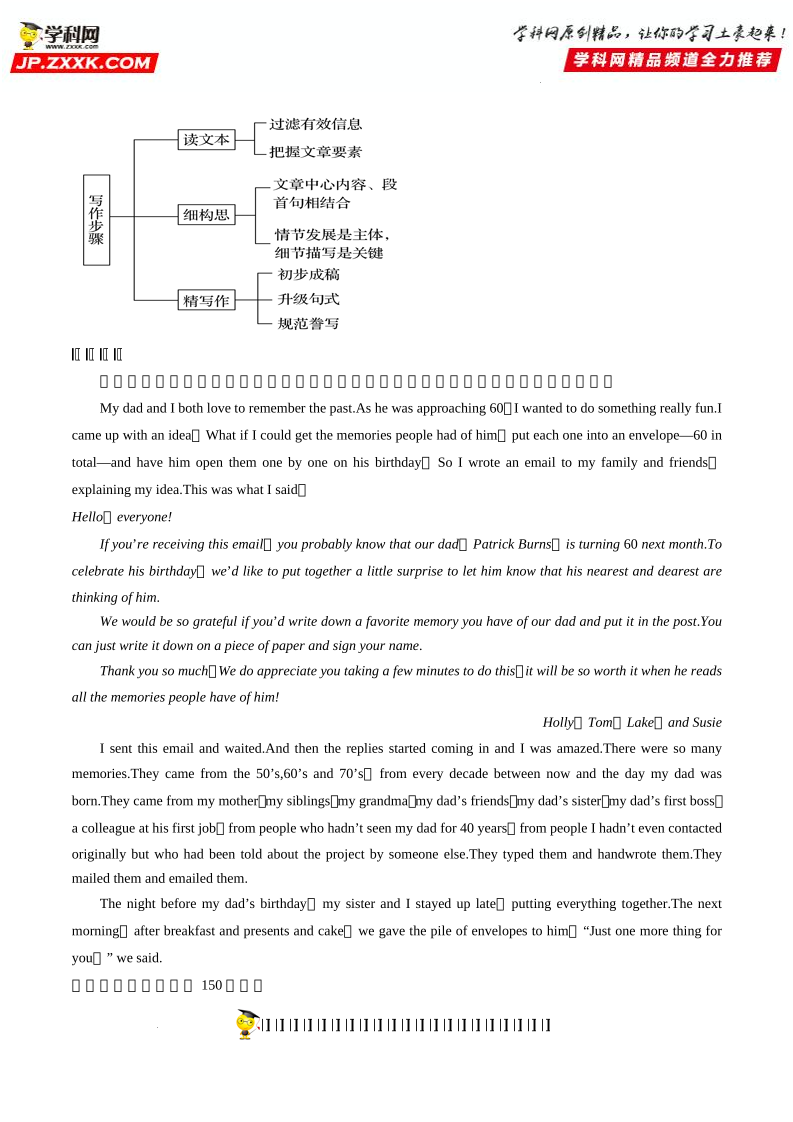
五、写作步骤
典型例子
阅读下面材料,根据其内容和所给段落开头语续写两段,使之构成一篇完整的短文。
My dad and I both love to remember the past.As he was approaching 60,I wanted to do something really fun.I came up with an idea:What if I could get the memories people had of him,put each one into an envelope—60 in total—and have him open them one by one on his birthday?So I wrote an email to my family and friends,explaining my idea.This was what I said:
Hello,everyone!
If you’re receiving this email,you probably know that our dad,Patrick Burns,is turning 60 next month.To celebrate his birthday,we’d like to put together a little surprise to let him know that his nearest and dearest are thinking of him.
We would be so grateful if you’d write down a favorite memory you have of our dad and put it in the post.You can just write it down on a piece of paper and sign your name.
Thank you so much!We do appreciate you taking a few minutes to do this;it will be so worth it when he reads all the memories people have of him!
Holly,Tom,Lake,and Susie
I sent this email and waited.And then the replies started coming in and I was amazed.There were so many memories.They came from the 50’s,60’s and 70’s,from every decade between now and the day my dad was born.They came from my mother,my siblings,my grandma,my dad’s friends,my dad’s sister,my dad’s first boss,a colleague at his first job,from people who hadn’t seen my dad for 40 years,from people I hadn’t even contacted originally but who had been told about the project by someone else.They typed them and handwrote them.They mailed them and emailed them.
Th
资源预览图
1
2
3

相关资源
由于学科网是一个信息分享及获取的平台,不确保部分用户上传资料的 来源及知识产权归属。如您发现相关资料侵犯您的合法权益,请联系学科网,我们核实后将及时进行处理。