Unit 3 Life in the future 单元测试B卷-2021-2022学年高二英语人教新课标必修五
2022-01-04
|
15页
|
337人阅读
|
10人下载
资源信息
| 学段 | 高中 |
|---|---|
| 学科 | 英语 |
| 教材版本 | - |
| 年级 | 高二 |
| 章节 | Unit 3 Life in the future |
| 类型 | 作业-单元卷 |
| 知识点 | - |
| 使用场景 | 同步教学-单元练习 |
| 学年 | 2021-2022 |
| 地区(省份) | 全国 |
| 地区(市) | - |
| 地区(区县) | - |
| 文件格式 | DOCX |
| 文件大小 | 198 KB |
| 发布时间 | 2022-01-04 |
| 更新时间 | 2022-01-04 |
| 作者 | lusuay |
| 品牌系列 | - |
| 审核时间 | 2022-01-04 |
| 下载链接 | https://m.zxxk.com/soft/32037234.html |
| 价格 | 0.50储值(1储值=1元) |
| 来源 | 学科网 |
内容正文:
必修五 Unit 3 Life in the future
单元测试B卷
一、阅读理解
A
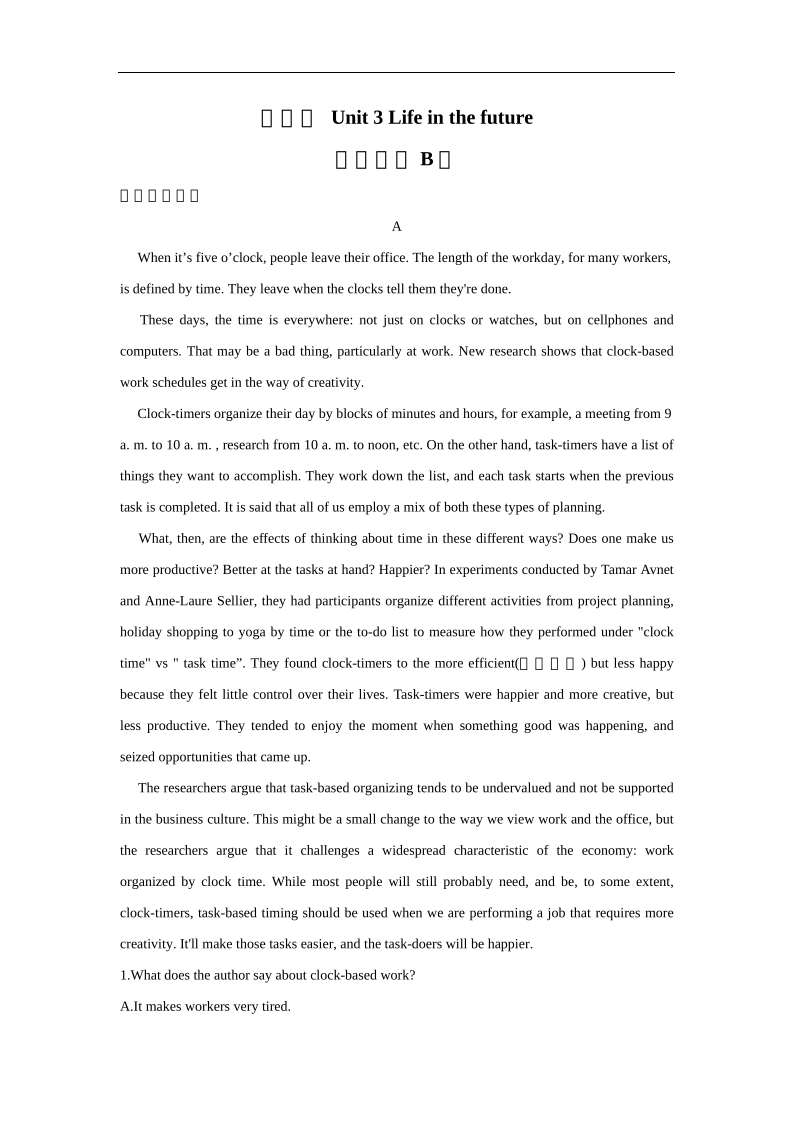
When it’s five o’clock, people leave their office. The length of the workday, for many workers, is defined by time. They leave when the clocks tell them they're done.
These days, the time is everywhere: not just on clocks or watches, but on cellphones and computers. That may be a bad thing, particularly at work. New research shows that clock-based work schedules get in the way of creativity.
Clock-timers organize their day by blocks of minutes and hours, for example, a meeting from 9 a. m. to 10 a. m. , research from 10 a. m. to noon, etc. On the other hand, task-timers have a list of things they want to accomplish. They work down the list, and each task starts when the previous task is completed. It is said that all of us employ a mix of both these types of planning.
What, then, are the effects of thinking about time in these different ways? Does one make us more productive? Better at the tasks at hand? Happier? In experime
资源预览图
1
2

3

相关资源
由于学科网是一个信息分享及获取的平台,不确保部分用户上传资料的 来源及知识产权归属。如您发现相关资料侵犯您的合法权益,请联系学科网,我们核实后将及时进行处理。