动词不定式的结构与特征 素材整理 2022届高考英语语法总复习
2021-11-21
|
6页
|
485人阅读
|
62人下载
普通
资源信息
| 学段 | 高中 |
|---|---|
| 学科 | 英语 |
| 教材版本 | - |
| 年级 | 高三 |
| 章节 | - |
| 类型 | 素材 |
| 知识点 | 动词不定式 |
| 使用场景 | 高考复习-一轮复习 |
| 学年 | 2022-2023 |
| 地区(省份) | 全国 |
| 地区(市) | - |
| 地区(区县) | - |
| 文件格式 | DOC |
| 文件大小 | 250 KB |
| 发布时间 | 2021-11-21 |
| 更新时间 | 2023-04-09 |
| 作者 | 红太阳中高考英语 |
| 品牌系列 | - |
| 审核时间 | 2021-11-21 |
| 下载链接 | https://m.zxxk.com/soft/31501550.html |
| 价格 | 0.50储值(1储值=1元) |
| 来源 | 学科网 |
内容正文:
高考英语语法总复习:动词不定式的结构与特征
动词不定式的构成与特征
不定式是指在句中无人称和数的限制,并在句中起名词或副词作用的成分,动词不定式有两种形式,一种是带to的不定式,一种是不带to的不定式,后者又称动词原形。不定式不能作句子的谓语,但它具有动词的一些特征,如可以带有自己的宾语,可以有状语修饰等。
1)及物动词的不定式可以跟宾语
例句1:He ordered me to open the door.
他命令我去开门。
例句2:It is important and necessary to master a foreign language and computer skills.
掌握外语和电脑技能很重要也很有必要。
2)可以被状语修饰
例句1:He asked me to say my name aloud.
他让我大声说出我的名字。
例句2:I was told to drive the car carefully and slowly.
3)没有人称和数的变化
动词不定式没有人称和数的变化,即不受主语的人称和单、复数的限定或影响。
例句1:She likes to play basketball.
她喜欢打篮球。
例句2:She liked to play the accordion when she was young.
她小时候喜欢演奏手风琴。
4)其否定形式是在不定式符号to前面加not
例句1:The doctor told him not to eat spicy food.
医生告诉他不要吃辛辣食物。
例句2:She seems not to have a bright time with her new friends.
和新朋友在一起她似乎过得不太好。
5)不定式的逻辑主语可用for或of结构引出
例句1:It's rude of you to say so.
你这样说太无礼了。
例句2:It's important for us to look into the world.
放眼世界对我们很重要。
不定式的其它结构
1)只保留符号to的不定式
为了避免重复,有时不定式中的主要动词可以省略,只剩下不定式符合to。常保留to的动词结构有used to,be going to,mean to,ought to,try to,plan to等。
例句1:You can go with us if you want to.
你如果想去可以和我们一起去。
例句2:You don't know her? But you ought to.
你不认识她?不过你应该认识的。
个别情况下to可以保留,也可以一起省略:
例句:She may go if she likes (to).
她如果想去可以去。
如果不定式是动词be或have(表示“有”)时,be和have不能省略。
例句1:-Is your father a reporter ? 你父亲是记者吗?
-No,but he used to be.不是,不过他曾经是。
例句2:We don't have a school football club,but we used to have.
我们学校没有足球俱乐部,不过曾经有。
2)不带符号to的不定式
①有些动词如see,hear,watch,find,observe,notice,discover,feel,make,let,have等后跟不带to的不定式作宾语补足语。
例句1:Onions make your eyes water.
洋葱能刺激眼睛流泪。
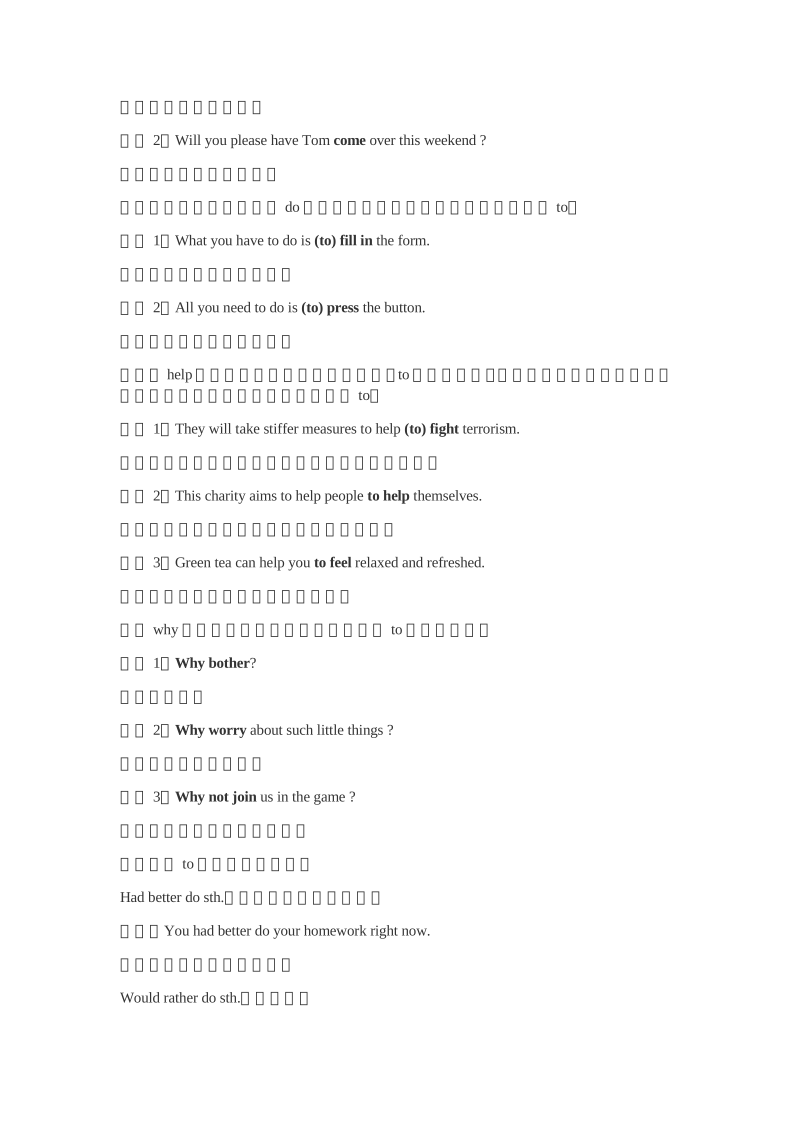
例句2:Will you please have Tom come over this weekend ?
本周末能不能让汤姆来?
②当主语部分含有助动词do的某种形式时,作表语的不定式可省略to。
例句1:What you have to do is (to) fill in the form.
你所要做的是把表格填完。
例句2:All you need to do is (to) press the button.
你所要做的就是按下按钮。
③动词help之后的不定式作宾语补足语时,to有时可省略。但当主语是表示物的名词或主语不能发出不定式的动作时需要带to。
例句1:They will take stiffer measures to help (to) fight terrorism.
他们将采取更为强硬的措施以帮助打击恐怖活动。
例句2:This charity aims to help people to help themselves.
这一慈善团体的宗旨是帮助人们实行自助。
例句3:Green tea can help you to
资源预览图

1

2
3

相关资源
由于学科网是一个信息分享及获取的平台,不确保部分用户上传资料的 来源及知识产权归属。如您发现相关资料侵犯您的合法权益,请联系学科网,我们核实后将及时进行处理。