UNIT 2 SectionⅠ Listening and Speaking and Talking(Word教参)-【优化指导】2021-2022学年新教材高中英语必修第一册(人教版2019)
2021-09-06
|
4页
|
319人阅读
|
1人下载
教辅

资源信息
| 学段 | 高中 |
|---|---|
| 学科 | 英语 |
| 教材版本 | 高中英语人教版必修第一册 |
| 年级 | 高一 |
| 章节 | Unit 2 Travelling Around |
| 类型 | 教案 |
| 知识点 | - |
| 使用场景 | 同步教学 |
| 学年 | 2021-2022 |
| 地区(省份) | 全国 |
| 地区(市) | - |
| 地区(区县) | - |
| 文件格式 | DOC |
| 文件大小 | 285 KB |
| 发布时间 | 2021-09-06 |
| 更新时间 | 2023-04-09 |
| 作者 | 山东接力教育集团有限公司 |
| 品牌系列 | 优化指导·高中同步学案导学与测评 |
| 审核时间 | 2021-09-06 |
| 下载链接 | https://m.zxxk.com/soft/30214145.html |
| 价格 | 2.00储值(1储值=1元) |
| 来源 | 学科网 |
内容正文:
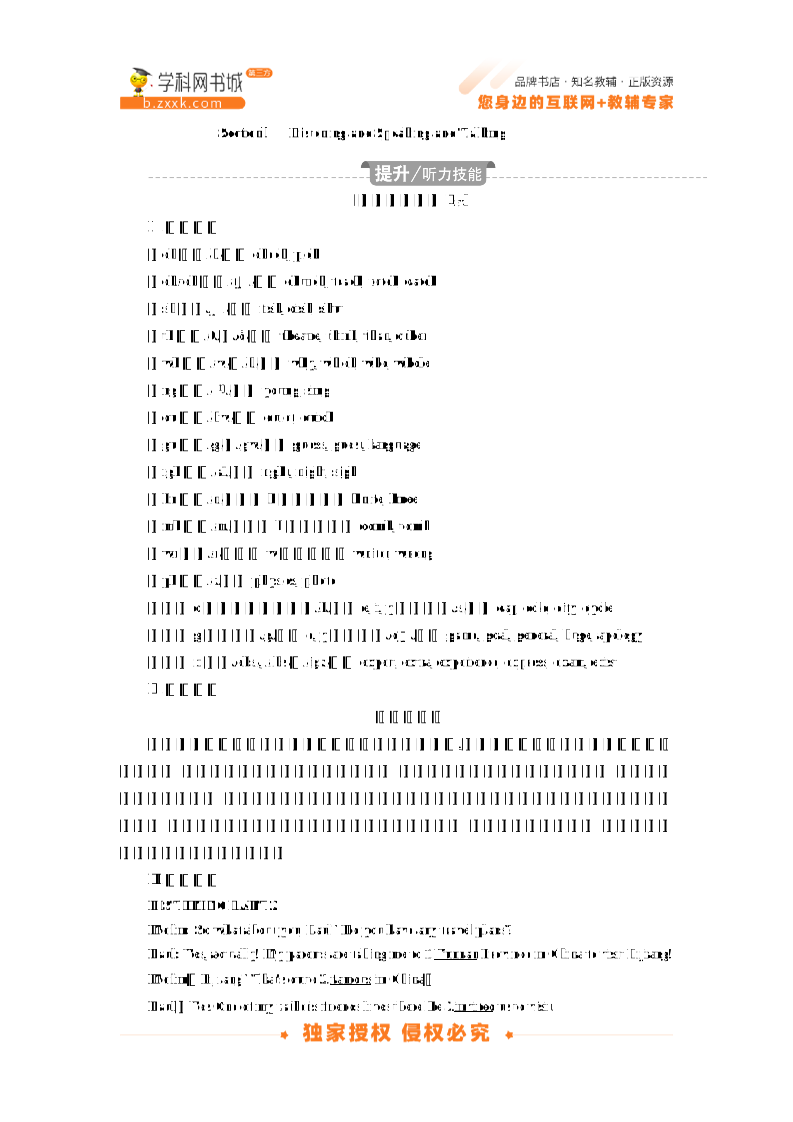
SectionⅠ Listening and Speaking and Talking
[对应学生用书P37]
①ck读作/k/,如check, pick
②ch/tch读作/tʃ/,如church, teach, fetch, catch
③sh读作/ʃ/,如fish, dish, shut
④th读作/θ/或/ð/,如theatre, think, than, other
⑤wh读作/w/或/h/,如why, which, who, whole
⑥ng读作/ /,如young, sing
⑦qu读作/kw/,如quiet, quick
⑧gu读作/g/或/gw/,如guess, guest, language
⑨igh读作/aI/,如right, night, sigh
⑩kn读作/n/,字母k不发音,如knife, knee
⑪mb读作/m/,字母b不发音,如comb, tomb
⑫wr读作/r/,字母w不发音,如writer, wrong
⑬ph读作/f/,如physics, photo
⑭字母c在一般情况下读作/k/,在e, i, y之前读作/s/,如cap, cold, city, cycle
⑮字母g一般读作/g/,在e, y之前读作/dʒ/,如game, goal, general, huge, apology
⑯字母x读作/eks/, /iks/或/igz/,如expert, extra, experience, express, exam, exist
聚焦关键词
在做考查考生获取事实性具体信息的能力的题时,,放听力录音前大家一定要先阅读听力题目, 浏览试题,对试题做到心中有数, 带着问题去听。这样在听对话时, 就能排除一些干扰因素, 听关键词或短语以获取关键信息。需要注意的是:对无把握的题进行排除选择, 在听的过程中如果碰到不理解的地方马上跳过, 不要强迫自己听清, 要把重点放在跟题干相关的关键词上。
LISTENING PART 2
Meilin: So what about you, Paul? Do you have any travel plans?
Paul: Yes, actually! My parents are taking me to 1.Yunnan Province in China to visit Lijiang!
Meilin:Lijiang? That's quite 2.famous in China.
Paul:Yes.One of my father's friends lives there.He 3.invited us to visit.
Meilin:Oh, that's nice! So what's the weather like there?
Paul:It should be 4.pleasant during the day, but it might be cold at night, so I'm taking a few light sweaters and a coat.
Meilin:What're you planning to see there?
Paul:Well, I know I'm definitely going to see the Old Town of Lijiang and 5.Yulong Snow Mountain. Other than that, I'm not sure. I'm buying a Lijiang 6.guidebook today, actually.
[对应学生用书P37]
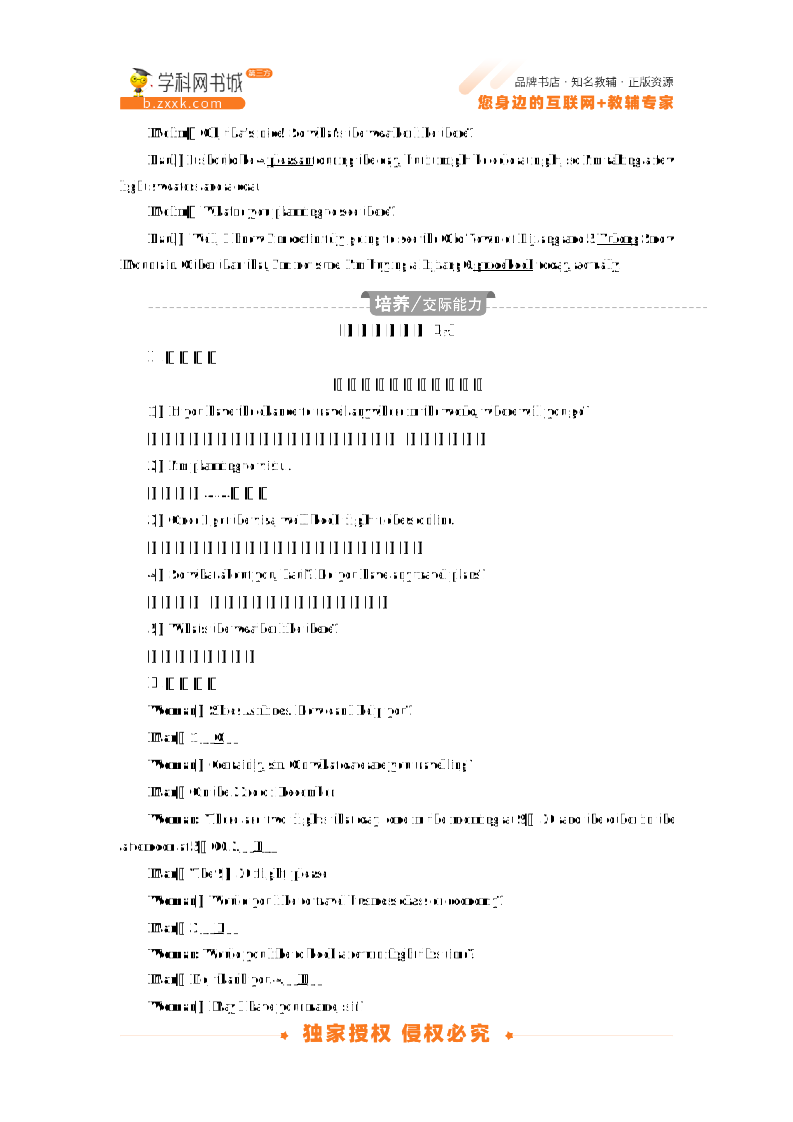
分享旅行计划的常见句式
1.If you have the chance to travel anywhere in the world, where will you go?
如果你有机会去世界上的任何地方旅游, 你将去哪儿?
2.I'm planning to visit...
我计划到……参观。
3.Once I get the visa, we'll book flight tickets online.
一旦我拿到签证,我们就会在网上订飞机票。
4.So what about you, Paul? Do you have any travel plans?
那你呢, 保罗?你有什么旅游计划吗?
5.What's the weather like there?
那儿天气怎么样?
Woman:Skies Airlines. How can I help you?
Man:1.__C__
Woman:Certainly, sir. On what date are you travelling?
Man:
资源预览图
1
2
相关资源
由于学科网是一个信息分享及获取的平台,不确保部分用户上传资料的 来源及知识产权归属。如您发现相关资料侵犯您的合法权益,请联系学科网,我们核实后将及时进行处理。