2020-2021学年上海牛津版英语八升九暑假讲义第四讲形容词副词学案
2021-06-26
|
2份
|
51页
|
420人阅读
|
17人下载
普通
资源信息
| 学段 | 初中 |
|---|---|
| 学科 | 英语 |
| 教材版本 | 初中英语牛津上海版(试用本)(2007)九年级第一学期 |
| 年级 | 九年级 |
| 章节 | 综合复习与测试 |
| 类型 | 学案 |
| 知识点 | - |
| 使用场景 | 寒暑假-暑假 |
| 学年 | 2021-2022 |
| 地区(省份) | 上海市 |
| 地区(市) | - |
| 地区(区县) | - |
| 文件格式 | ZIP |
| 文件大小 | 396 KB |
| 发布时间 | 2021-06-26 |
| 更新时间 | 2023-04-09 |
| 作者 | 匿名 |
| 品牌系列 | - |
| 审核时间 | 2021-06-26 |
| 下载链接 | https://m.zxxk.com/soft/29240660.html |
| 价格 | 0.50储值(1储值=1元) |
| 来源 | 学科网 |
内容正文:
第四讲:形容词&副词-教师版
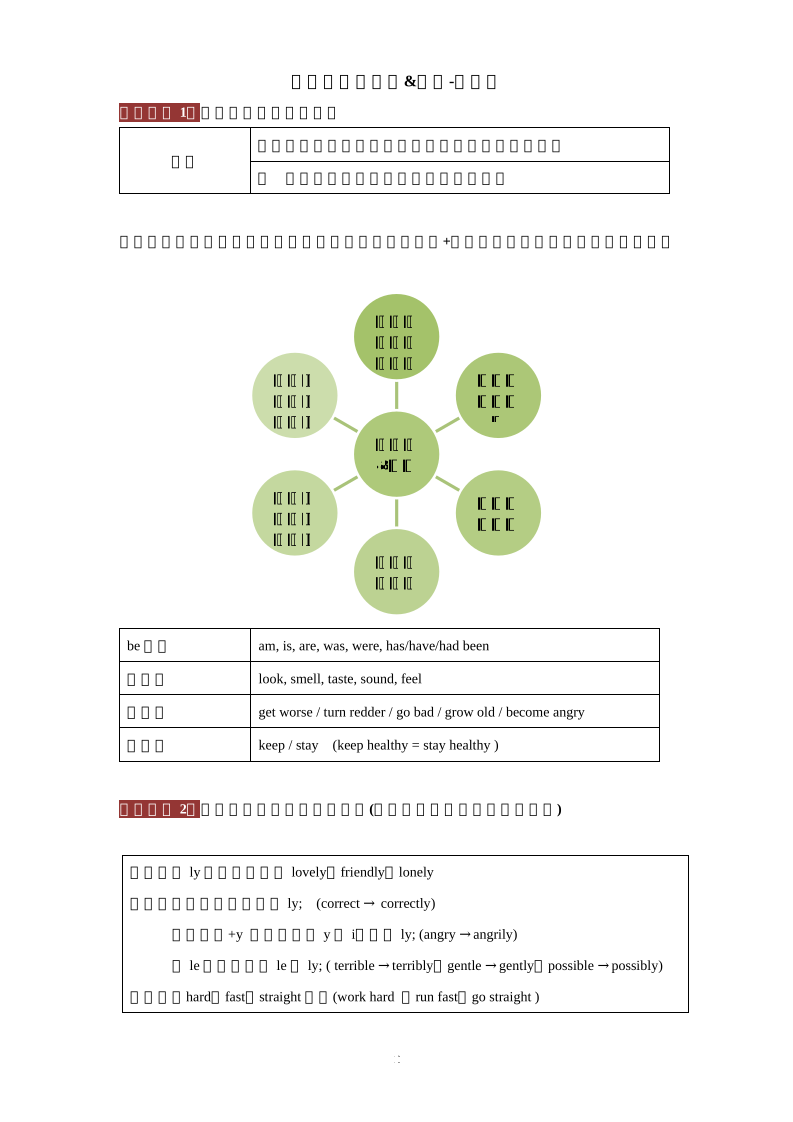
【知识点1】形容词、副词用法区别
用法
形容词:修饰名词,在句中做定语、表语及宾补。
副 词:修饰动词及整个句子,作状语。
形容词做表语,构成系表结构,尤其注意感官系动词+形容词的结构。常考系动词见下表:
be动词
am, is, are, was, were, has/have/had been
感官类
look, smell, taste, sound, feel
变化类
get worse / turn redder / go bad / grow old / become angry
不变类
keep / stay (keep healthy = stay healthy )
【知识点2】形容词变副词的变化规则:(三反、三变、三不变、一特殊)
三反:以ly结尾的形容词lovely、friendly、lonely
三变:一般情况下直接加ly; (correct → correctly)
辅音字母+y 结尾的,去y为i,再加ly; (angry →angrily)
以le结尾的,变le为ly; ( terrible →terribly,gentle →gently,possible →possibly)
三不变:hard、fast、straight等。(work hard 、run fast、go straight )
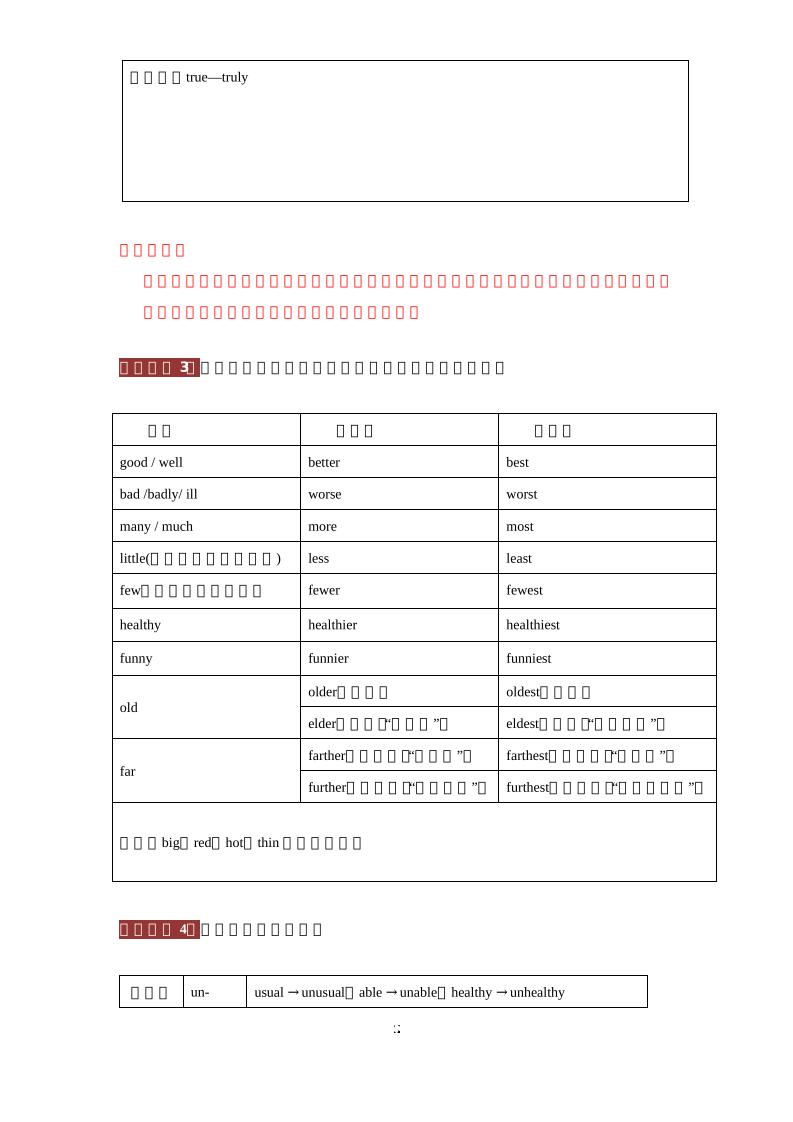
一特殊:true—truly
教学建议:
先让学生回顾形容词副词的比较级和最高级变化规则和用法,老师进行补充,针对这些的区别,进行提问,看学生的薄弱点在哪里。
【知识点3】形容词、副词的比较级变化(特殊变化及易错点)
原级
比较级
最高级
good / well
better
best
bad /badly/ ill
worse
worst
many / much
more
most
little(不可数,不规则变化)
less
least
few(可数,规则变化)
fewer
fewest
healthy
healthier
healthiest
funny
funnier
funniest
old
older(表语)
oldest(表语)
elder(定语,“年长的”)
eldest(定语,“最年长的”)
far
farther(距离上,“更远的”)
farthest(距离上,“最远的”)
further(程度上,“进一步的”)
furthest(程度上,“最大程度的”)
注意:big、red、hot、thin等需要双写。
【知识点4】形容词变反义词规则
加前缀
un-
usual →unusual,able →unable,healthy →unhealthy
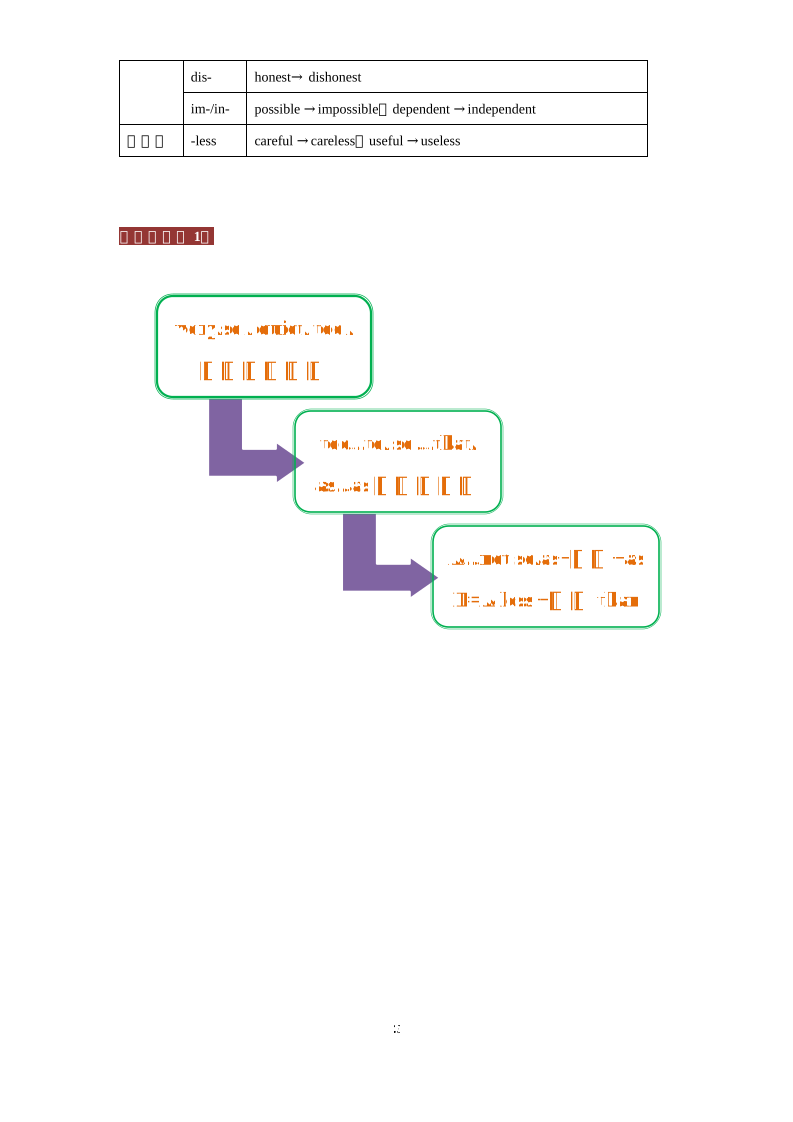
dis-
honest→ dishonest
im-/in-
possible →impossible,dependent →independent
加后缀
-less
careful →careless,useful →useless
【知识梳理1】
【知识拓展】
当as…as 中间有名词时,采用以下格式:
1. as + adj. +a/an+可数名词单数+ as
He is as good an example as his brother.
2. as much + 不可数名词+as
There is as much water is this bottle as in that bottle.
3. as many +可数名词复数+as
和……一样多的某物
Bob read as many books as Mary.
【巩固练习】
基础题:
Choose the best answer.
1. A: Is someone hurt in the accident?
B: Yes. One is hurt, but not .
A. much B. bad C. badly D. hard
2. Paul has a voice and his dream is to become a pop singer someday.
A. happily B. quietly C. beautifully D. lovely
3. We all know that horses are animals in our daily life.
A. awful B. forgetful C. useful D. harmful
4. Entering a key senior high school sou
资源预览图
1
2
3
相关资源
由于学科网是一个信息分享及获取的平台,不确保部分用户上传资料的 来源及知识产权归属。如您发现相关资料侵犯您的合法权益,请联系学科网,我们核实后将及时进行处理。