Unit 1 Section 3 Using Language(配套Word教参)-【优化指导】2020-2021学年新教材高中英语必修第二册(外研版 )
2021-02-20
|
4页
|
186人阅读
|
6人下载
教辅

资源信息
| 学段 | 高中 |
|---|---|
| 学科 | 英语 |
| 教材版本 | 高中英语外研版必修第二册 |
| 年级 | 高一 |
| 章节 | Unit 1 Food for Thought |
| 类型 | 教案 |
| 知识点 | - |
| 使用场景 | 同步教学 |
| 学年 | 2021-2022 |
| 地区(省份) | 全国 |
| 地区(市) | - |
| 地区(区县) | - |
| 文件格式 | DOCX |
| 文件大小 | 104 KB |
| 发布时间 | 2021-02-20 |
| 更新时间 | 2023-04-09 |
| 作者 | 山东接力教育集团有限公司 |
| 品牌系列 | 优化指导·高中同步学案导学与测评 |
| 审核时间 | 2021-02-20 |
| 下载链接 | https://m.zxxk.com/soft/26968707.html |
| 价格 | 4.00储值(1储值=1元) |
| 来源 | 学科网 |
内容正文:
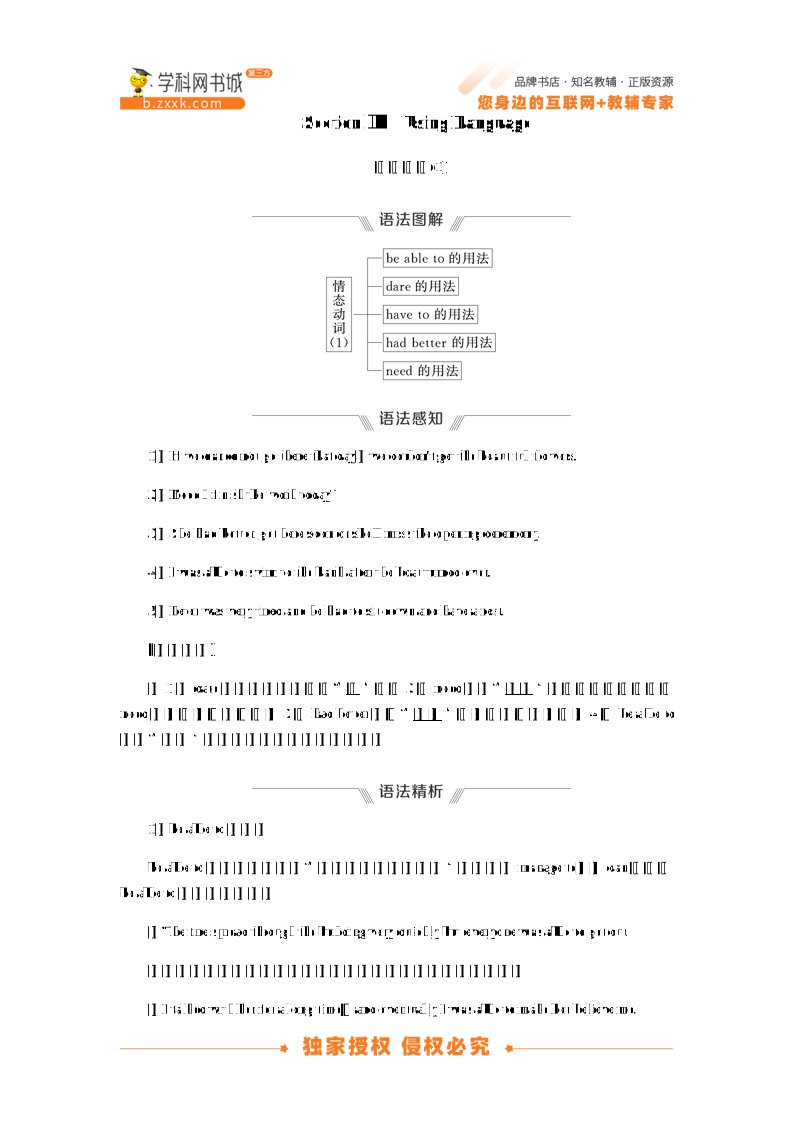
Section Ⅲ Using Language
情态动词(1)
1.If we dared not go there that day,we couldn't get the beautiful flowers.
2.Need I finish the work today?
3.She had better get here soon or she'll miss the opening ceremony.
4.I was able to swim to the bank after the boat turned over.
5.Peter was very tired and he had to sit down and have a rest.
[自主归纳]
句1中dare为情态动词,意为“敢”;句2中need意为“需要”,是情态动词,另外need也可作实义动词;句3中had better意为“最好”,后接动词原形;句4中be able to意为“能够”,强调通过努力有能力做到。
1.be able to的用法
be able to表示能力,强调“通过努力有能力做到”,相当于manage to。与can相比,be able to有更多的时态。
①The fire spread through the building very quickly but everyone was able to get out.
尽管这场火很快蔓延到了整栋大楼,但是每个人都逃出去了。
②I talked with her for a long time,and eventually I was able to make her believe me.
我和她谈了很久,最终还是让她相信了我的话。
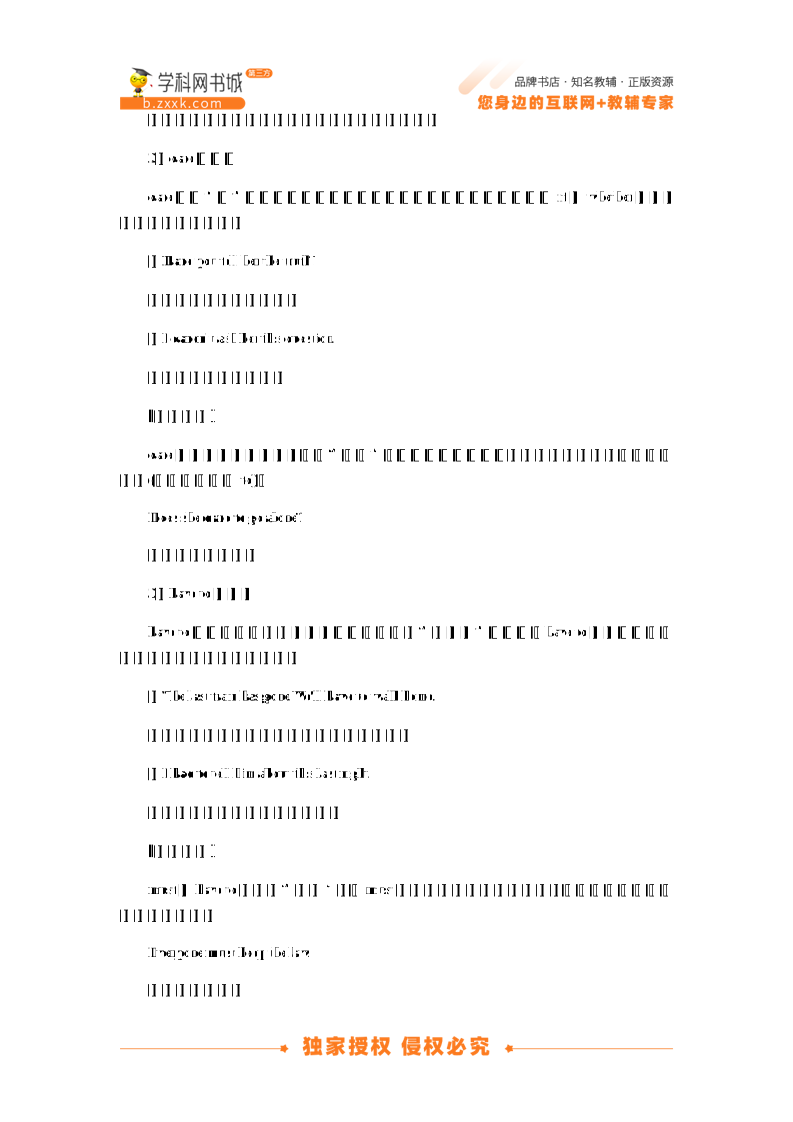
2.dare的用法
dare意为“敢”,后接动词原形,通常只用于否定句、疑问句以及if或whether之后,一般不用于肯定句。
①Dare you tell her the truth?
你敢告诉她事实真相吗?
②I daren't ask her this question.
我不敢问她这个问题。
[名师点津]
dare也可用作实义动词:意为“敢于”,可以有词形变化,可用于各类句型,其后接不定式(有时也可省略to)。
Does she dare to go alone?
她敢一个人去吗?
3.have to的用法
have to表示客观上的需要,强调被迫性,有“不得不”的含义。have to可用于多种时态,形式随时态变化而变化。
①The last train has gone.We'll have to walk home.
末班车已经开走了,我们不得不步行回家。
②I had to tell him about this last night.
昨晚我不得不把这件事告诉他。
[名师点津]
must和have to都表示“必须”,但must侧重于说话者的主观看法,认为有必要或者有义务去做某事。
Everyone must keep the law.
人人都要守法。
4.had better的用法
had better意为“最好”,用于表示对别人的劝告,建议或表示一种愿望。否定式是把not直接放在had better的后面。
①You had better go to hospital at once.
你最好立即去医院看病。
②You had better not miss the last bus.
你最好不要错过末班公共汽车。
5.need的用法
need用作情态动词,表示“需要”或“必须”,通常用于否定句、疑问句、条件句。
①Need he do this homework first?
他需要先做这些作业吗?
②You need not tell the entire truth,but you must not lie.
你不必说出全部真相,但你一定不许撒谎。
[名师点津]
need用作实义动词,后面可以加to do/doing/to be done。need doing=need to be done,表示被动。另外,need作实义动词时还可以直接跟名词。
It is a question that needs very careful consideration.
这个问题需要慎重考虑。
The trees need watering.
→The trees need to be watered.
这些树需要浇水了。
Ⅰ.选词填空
dare,need,had better,have to,be able to
1.There was no more bus.They had to walk home.
2.You had b
资源预览图
1
2

相关资源
由于学科网是一个信息分享及获取的平台,不确保部分用户上传资料的 来源及知识产权归属。如您发现相关资料侵犯您的合法权益,请联系学科网,我们核实后将及时进行处理。