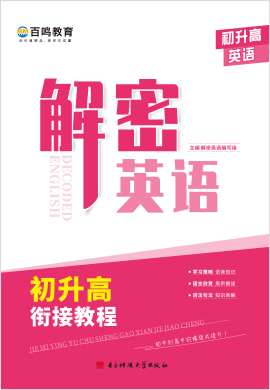
(PPT)第四章 语音语调衔接 7形容词-【解密英语】初升高衔接教程
2020-11-18
|
7页
|
207人阅读
|
20人下载
教辅
内容正文:
第四章 词法衔接
⑥形容词
语篇导入(感知形容词)
It’s illegal to drive under the age of 17 in Britain, but a 17-year-old boy managed to pass his driving test on his 17th birthday. Most people would consider this impossible,because you need a lot of lessons to pass the test. David arranged to have an eight-hour lesson beginning at dawn on his birthday. At first he was very careful and hesitant,but he had a wonderful teacher and his driving improved amazingly during the day. By four in the afternoon, still feeling energetic, he was ready to take his test and he passed the first time! He was completely shocked after the test, and he drove home slowly in the reddish light of the setting sun.
第四章 词法衔接
形容词(Preposition)
Q1: 什么是形容词? 形容词在句子中充当什么成分?
Q2: 形容词的比较级和最高级的变化规则是什么?
Q3: ed 和ing分词形式的形容词有什么区别?
第四章 词法衔接
问题导学
第四章 词法衔接
1. 形容词的功能
形容词主要用来修饰和描绘名词或代词,表示人或物的性质、状态、特征或属性。
重难突破
形容词(Preposition)
功 能 例 句
作定语
(1)主观评价+大小+年龄+形状+颜色+国籍+材料
(2)有些形容词作定语时只能放在名词后面,如 alive、 absent等 She is a beautiful girl.她是一个漂亮的女孩。(前置定语)
It’s an interesting little red French oil painting.
这是一幅有趣的、红色的小型法国油画。(前置定语)
I have something important to tell you.我有重要的事告诉你。(不定代词+后置定语)
The man involved in the crime has been arrested.参与犯罪的那个人被捕了。(后置定语)
作表语 John is very happy about the good news.约翰收到那条好消息很开心。(形容词+介词短语)
He is foolish to say that. 他那样说真是傻。(形容词+动词不定式)
The children are confident that they will win. 孩子们相信他们能赢。(形容词+从句)
作宾语补足语 Don’t make your parents angry.不要惹你父母生气。
I found the book easy to read.我发现那本书容易阅读。
作状语 Curious, we looked around for other guests.怀着好奇心,我们看着周围的客人。
He was pushed to the war, unprepared.他毫无准备地被推向了战争。
作名词 The poor get poorer; the rich get richer.穷人更穷,富人更富。
形容词(Preposition)
第四章 词法衔接
2. 形容词的比较级、最高级
(1)规则变化
规则 原级 比较级 最高级
单音节形容词在词尾加-er或-est tall
few taller
fewer tallest
fewest
以字母 e 结尾的形容词在词尾加-r或-st nice
wide nicer
wider nicest
widest
重读闭音节,末尾只有一个辅音字母的词,双写该辅音字母,再加-er或-est big
hot
thin bigger
hotter
thinner biggest
hottest
thinnest
以辅音字母加 y结尾的形容词,变 y 为 i, 再加-er或
资源预览图

1

2

3
相关资源
示范课
由于学科网是一个信息分享及获取的平台,不确保部分用户上传资料的 来源及知识产权归属。如您发现相关资料侵犯您的合法权益,请联系学科网,我们核实后将及时进行处理。