微技能 寻找细节之标题定位法-初中同步八年级英语阅读写作技能训练
2020-08-17
|
3页
|
267人阅读
|
70人下载

资源信息
| 学段 | 初中 |
|---|---|
| 学科 | 英语 |
| 教材版本 | 初中英语人教版(2012)八年级上册 |
| 年级 | 八年级 |
| 章节 | 综合复习 |
| 类型 | 题集 |
| 知识点 | 情景交际 |
| 使用场景 | 同步教学 |
| 学年 | 2021-2022 |
| 地区(省份) | 全国 |
| 地区(市) | - |
| 地区(区县) | - |
| 文件格式 | DOC |
| 文件大小 | 159 KB |
| 发布时间 | 2020-08-17 |
| 更新时间 | 2023-04-09 |
| 作者 | 四川汇合明聚教育科技有限公司 |
| 品牌系列 | - |
| 审核时间 | 2020-08-17 |
| 下载链接 | https://m.zxxk.com/soft/15140841.html |
| 价格 | 1.00储值(1储值=1元) |
| 来源 | 学科网 |
内容正文:
阅读进阶 Graded reading
前面四期,我们学习了猜测词义的技巧。从这一期开始,我们将研究阅读理解中细节题的解题方法。
寻找细节之标题定位法
细节理解题是一种要求学生能够在原文中找到对应信息,并对信息加以简单分析和理解从而得出正确答案的设题方式。在针对有小标题的文章,利用标题定位法来判断题干对应信息的大致位置是一种快速便捷的方式。这一期,我们将研究如何利用这一方法来解答细节理解题。
阅读下面的短文,并回答短文后的问题。[来源:学科网ZXXK]
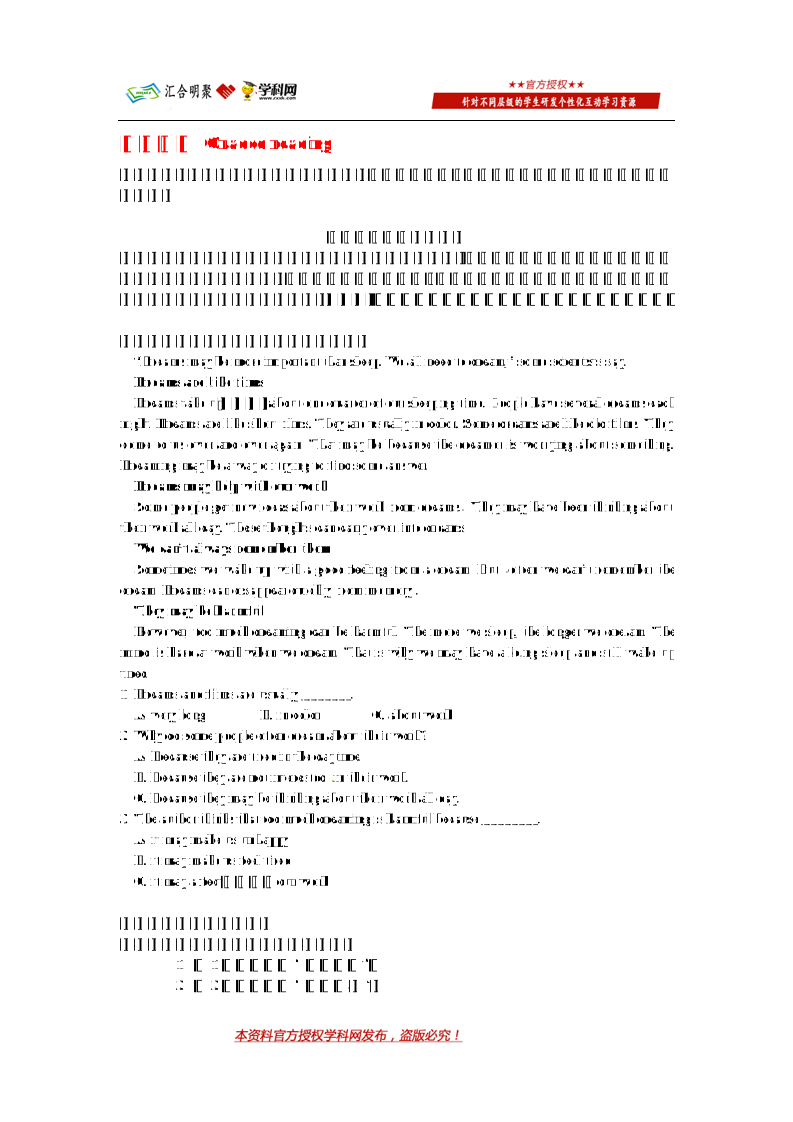
“Dreams may be more important than sleep. We all need to dream,” some scientists say.
Dreams are like films
Dreams take up(占据)about one quarter of our sleeping time. People have several dreams each night. Dreams are like short films. They are usually in color. Some dreams are like old films. They come to us over and over again. That may be because the dreamer is worrying about something. Dreaming may be a way of trying to find some answer.
Dreams may help with our work
Some people get new ideas about their work from dreams. They may have been thinking about their work all day. These thoughts can carry over into dreams.
We can’t always remember them
Sometimes we wake up with a good feeling from a dream. But often we can’t remember the dream. Dreams can disappear quickly from memory .
They may be harmful
However, too much dreaming can be harmful. The more we sleep, the longer we dream. The mind is hard at work when we dream. That is why we may have a long sleep and still wake up tired.
1. Dreams and films are usually _______.
A. very long
B. in color
C. about work
2. Why do some people often dream about their work?
A. Because they are tired in the daytime.
B. Because they are not interested in their work.
C. Because they may be thinking about their work all day.
3. The author thinks that too much dreaming is harmful because ________.
A. it may make us unhappy
B. it may make us feel tired
C. it may affect(影响)our work
【解题步骤及过程指导】
第一步:详读各小题题干,弄清问题。
1. 第1小题是关于“梦与电影”。
2. 第2小题是关于“梦与工作”。
3. 第3小题是关于“梦的危害”。
第二步:定位小标题,判断题干对应信息的位置。
1. 文中第一个小标题是关于“梦与电影”的,故第1小题对应的信息可能在这一段。
2. 第二个小标题是关于“梦与工作”的,从本段我们应该可以找到第2小题的对应信息。
3. 第三个小标题是关于“梦的一个特征——不能被记住”的,没有题干与这一信息对应。
4. 第四个小标题是关于“梦的危害”的,与第3小题的题干信息相吻合。
第三步:结合选项详读对应段落,找到对应细节,判断正确答案
资源预览图
1
相关资源
由于学科网是一个信息分享及获取的平台,不确保部分用户上传资料的 来源及知识产权归属。如您发现相关资料侵犯您的合法权益,请联系学科网,我们核实后将及时进行处理。