初中高中英语教材衔接--谓语与非谓语(共16张PPT)
2020-06-23
|
16页
|
1197人阅读
|
98人下载
普通
内容正文:
谓语与非谓语
谓语动词与非谓语动词的区别
原则一:在一个句子,一般一个主语应配套一个谓语,(并列谓语除外),如一个主语后跟了两个动词,就应该有一个是谓语动词,一个应该是非谓语动词。
如:我去书店买一些书。
(1)I went to the bookshop to buy some books
(2)He enjoys playing basketball
(3)I sing and play my favourite songs
谓语
非谓语
谓语
非谓语
并列谓语
原则二:谓语动词体现的时态,与时间状语有关;非谓语与时态无关
(1)He enjoys reading books every day
(2)He enjoyed reading books last year
谓语
(现在时)
非谓
现在时标志时间状语
谓语
(过去时)
非谓
过去时标志时间状语
Tips:
谓语动词会受时间状语的影响,体现各种时态。
非谓语动词不受时间状语的影响,与时态无关,与主语的单复数无关。
原则三: 谓语与非谓语的形式不同,谓语主要体现十六种基本时态(含被动),而非谓只有三种固定形式(被动和完成)to do , doing , done 如
He finished reading the novels
He has something to be sent
They were rebuilding the damaged house
Kate had found the missing boy
Having realized the secret ,he was angry
谓语过去时
非谓语 doing
谓语现在时
非谓语 to do的被动
谓语 过去进行时
非谓语 done
谓语 过去完成时
非谓语 doing
非谓语 doing完成式
谓语 过去时
小结:
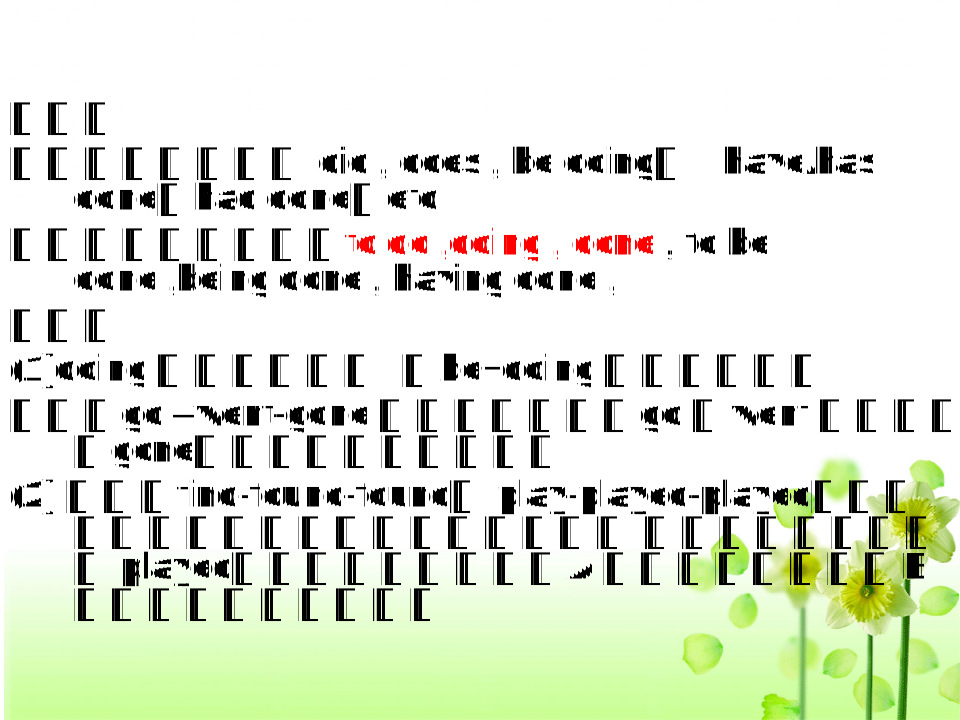
谓语动词的形式有 did , does , be doing, have/has done,had done,etc
非谓语动词的形式有to do ,do
资源预览图

1

2

3

4

5
6

相关资源
示范课
由于学科网是一个信息分享及获取的平台,不确保部分用户上传资料的 来源及知识产权归属。如您发现相关资料侵犯您的合法权益,请联系学科网,我们核实后将及时进行处理。