2020高中物理竞赛-热学A(联赛版)02平衡态系统的统计分布率:数学背景知识(概率)(共13张PPT)
2020-04-23
|
13页
|
291人阅读
|
269人下载
普通
资源信息
| 学段 | 高中 |
|---|---|
| 学科 | 物理 |
| 教材版本 | - |
| 年级 | 高二 |
| 章节 | - |
| 类型 | 课件 |
| 知识点 | - |
| 使用场景 | 竞赛 |
| 学年 | 2020-2021 |
| 地区(省份) | 全国 |
| 地区(市) | - |
| 地区(区县) | - |
| 文件格式 | PPT |
| 文件大小 | 333 KB |
| 发布时间 | 2020-04-23 |
| 更新时间 | 2020-04-23 |
| 作者 | 高考名师资源库 |
| 品牌系列 | - |
| 审核时间 | 2020-04-23 |
| 下载链接 | https://m.zxxk.com/soft/13384863.html |
| 价格 | 0.00储值(1储值=1元) |
| 来源 | 学科网 |
内容正文:
2020高中物理竞赛
热学A
(联赛版)
物理学研究中的数学背景知识:概率
一、事件及其概率
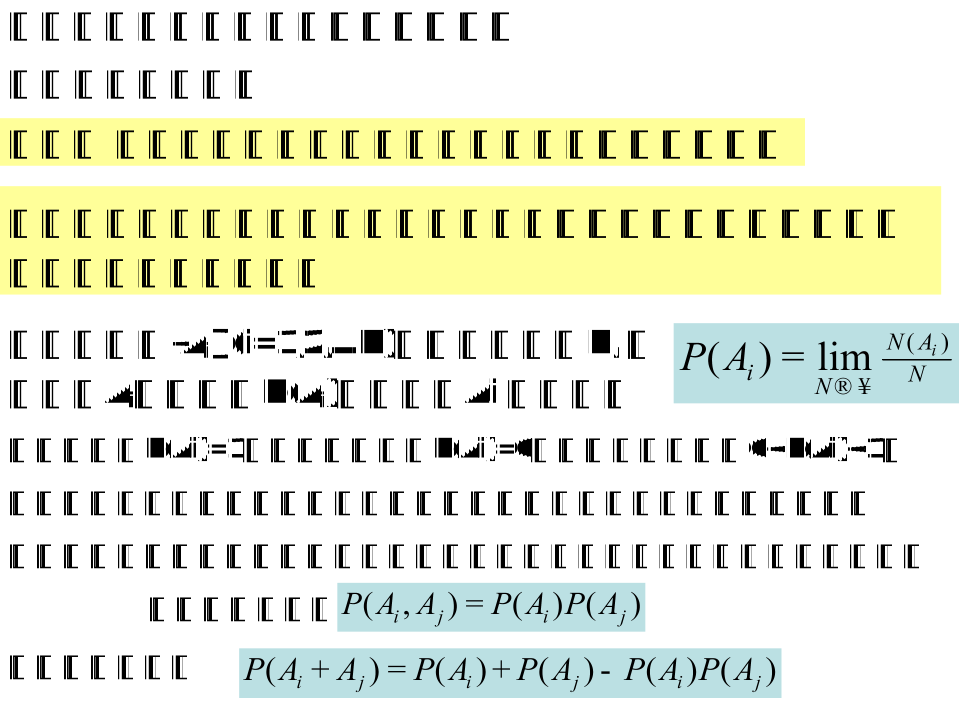
事件: 随机实验中,对试验可能出现的事情称为事件。
概率:在一定条件下,一系列可能发生的事件组合中,发生某一事件的机会或可能性。
对事件组合{Ai} (i=1,2,…N),事件总数为N, 出现事件Ai的次数为N(Ai),则事件Ai 的概率为
必然事件:P(Ai)=1;不可能事件:P(Ai)=0;随机事件:如果0<P(Ai)<1。
互不相容事件:一事件发生时,其他事件不可能同时发生。例:掷硬币。
独立事件:一事件的发生不因其他事件是否发生而受到影响。例:二次掷硬币
对于独立事件:
独立相容事件:
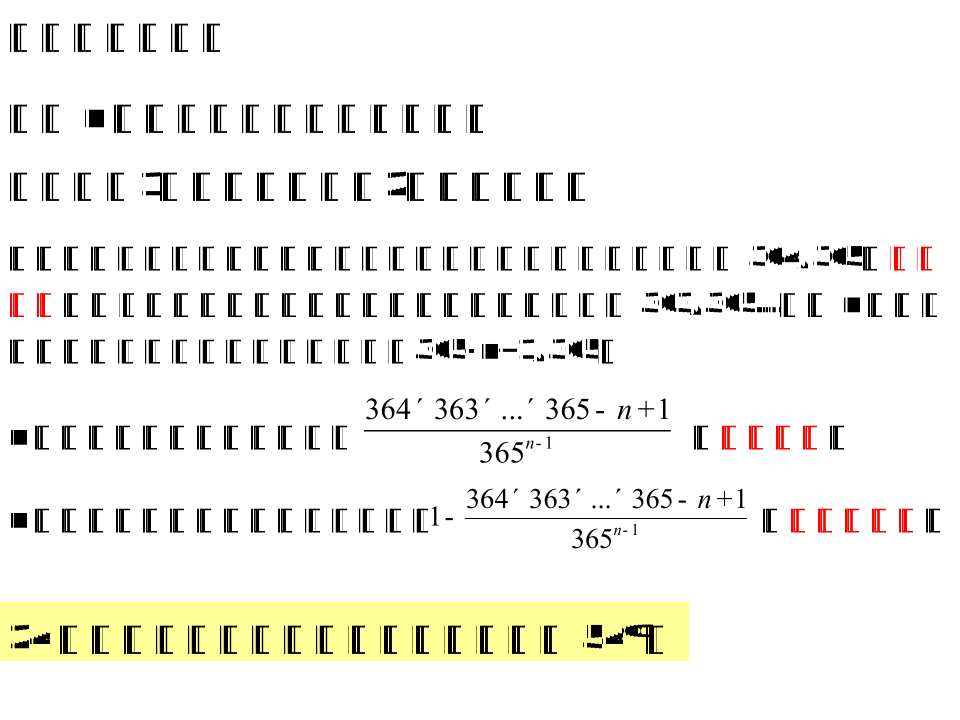
例一:生日问题
计算 n 个朋友同一天生日的概率。
分析:(1)平均分布;(2)独立事件。
将朋友随机排序。第二个朋友与第一个朋友生日不同的概率为 364/365(平均分布);第三个朋友与前两个朋友不同生日的概率为 363/365....,第 n 各朋友与前面的朋友生日都不同的概率为365-n+1/365。
n 个朋友生日不同的概率为:
(独立事件)
n 各朋友至少有两个同生日的概率:
(不相容事件)
24 个朋友中至少有两个同生日的概率为 54%。
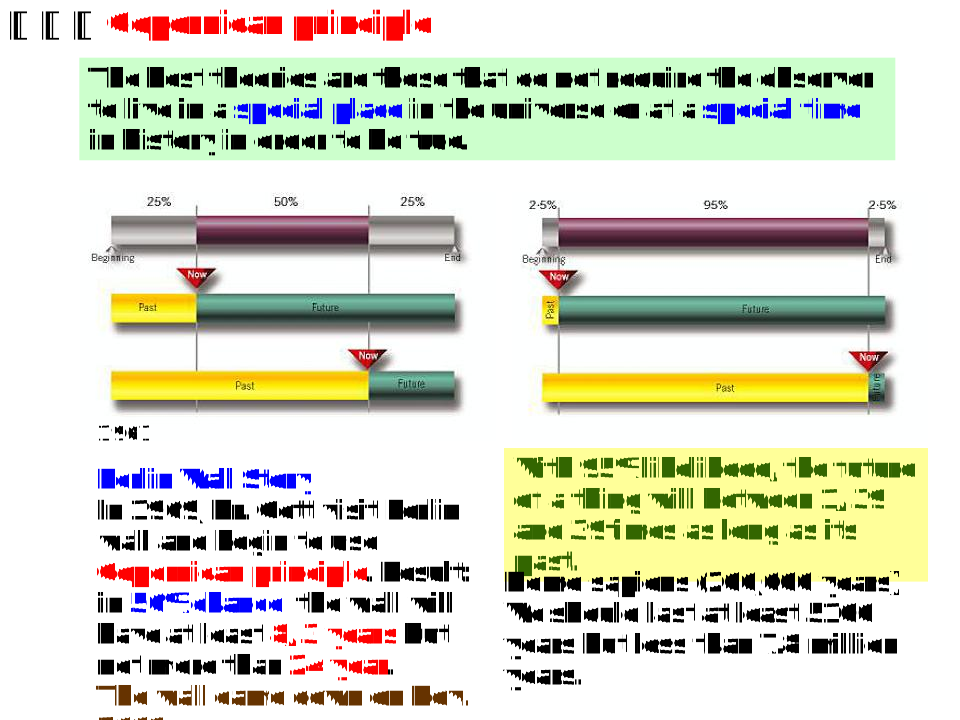
The best theories are those that do not require the observer to live in a special place in the universe or at a special time in history in order to be true.
例二:Copernican principle
Berlin Wall Story
In 1969, Dr. Gott visit Berlin wall and begin to use Copernican principle. Result: in 50% chance the wall will have at least 8/3 years but not more than 24 year.
The wall came down on Nov. 1989.
1961
With 95% likelihood, the future of a thing will between 1/39 and 39times a
资源预览图

1
2
3
4
5

6
所属专辑


相关资源
由于学科网是一个信息分享及获取的平台,不确保部分用户上传资料的 来源及知识产权归属。如您发现相关资料侵犯您的合法权益,请联系学科网,我们核实后将及时进行处理。