2019中考英语易错专题 动词语态的表达与运用(学生版 教师版)
2019-06-25
|
2份
|
14页
|
1223人阅读
|
117人下载
普通
内容正文:
第11讲 动词语态的表达与运用
整体分析解读:
1. 判断主语是动作的执行者还是承受者
在解答被动语态题时首先要判断主语和动作的关系,如果主语是动作的执行者,则该句为主动句;如果主语是动作的承受者,则该句为被动句。依据句子意思做出正确选择。
2. 正确判断时态
被动语态离不开时态。考生要牢记各种时态,掌握被动句的构成,不能混淆。依据句子中的时间状语或上下文暗示,分析判断句子时态。
一、动词的被动语态
英语动词有两种语态,即主动语态(The Active Voice)和被动语态(The Passive Voice)。主动语态表示主语是动作的执行者,被动语态表示主语是动作的承受者,例如:
Many people speak English . (主动语态)
English is spoken by many people. (被动语态)
1、被动语态的构成
被动语态由“助动词be +及物动词的过去分词”构成。助动词be 有人称、数和时态的变化,其变化规则与be作为连系动词时完全一样。被动语态的肯定式、否定式及疑问式列表如下:
肯 定 句: 主语+ be+ 过去分词 +(by…) eg. He is often asked to do this work (by his boss).
否 定 句:主语+ be not +过去分词 +(by…) eg. I am not invited to the party (by him).
一般疑问句:Be + 主语+过去分词+ (by…)? eg. Are your clothes washed by yourself?
特殊疑问句:疑问词+ be+主语 +过去分词+ (by…)? eg. What is this sweater made of?
现以动词give为例,其被动语态的各种时态如下:
式
时
一 般
进 行
完 成
现在
Am / is /are + given
Am/is/are +being + given
Have / has +been +given
过去
Was / were + given
Was / were + being + given
Had +been + given
将来
Shall/ will + given
Shall / will +be + given
Should /would + be + given
含情态词的
Can / may /must +be +given
3、被动语态的用法:
1)当我们不知道谁是动作的执行者,或者没有必要指出谁是动作的执行者时,或者只需强调动作的承受者时,要用被动语态。 例如:
This jacket is made of cotton.
English is spoken in many countries in the world.
1) 强调动作的承受者时。如:The boy was saved at last.这个男孩最后得救了。
2) 主动语态变被动语态的步骤:
主动句: The boy broke the window yesterday.
被动句: The window was broken by the boy yesterday.
步骤一:原句中的宾语the window变成主语。
步骤二:谓语动词broke改为被动形式:was broken
步骤三:原句中的主语The boy放在介词by的后面。
步骤四:其他成分如:yesterday不变。
5) 有两个宾语的句子的被动语态:
A. 可有两种被动语态的常用动词有:buy,give,leave,lend,offer,pay,teach,tell,show,等。
1. He gave me the book just now.
The book was given to me( by him) just now. = I was given the book (by him) just now.
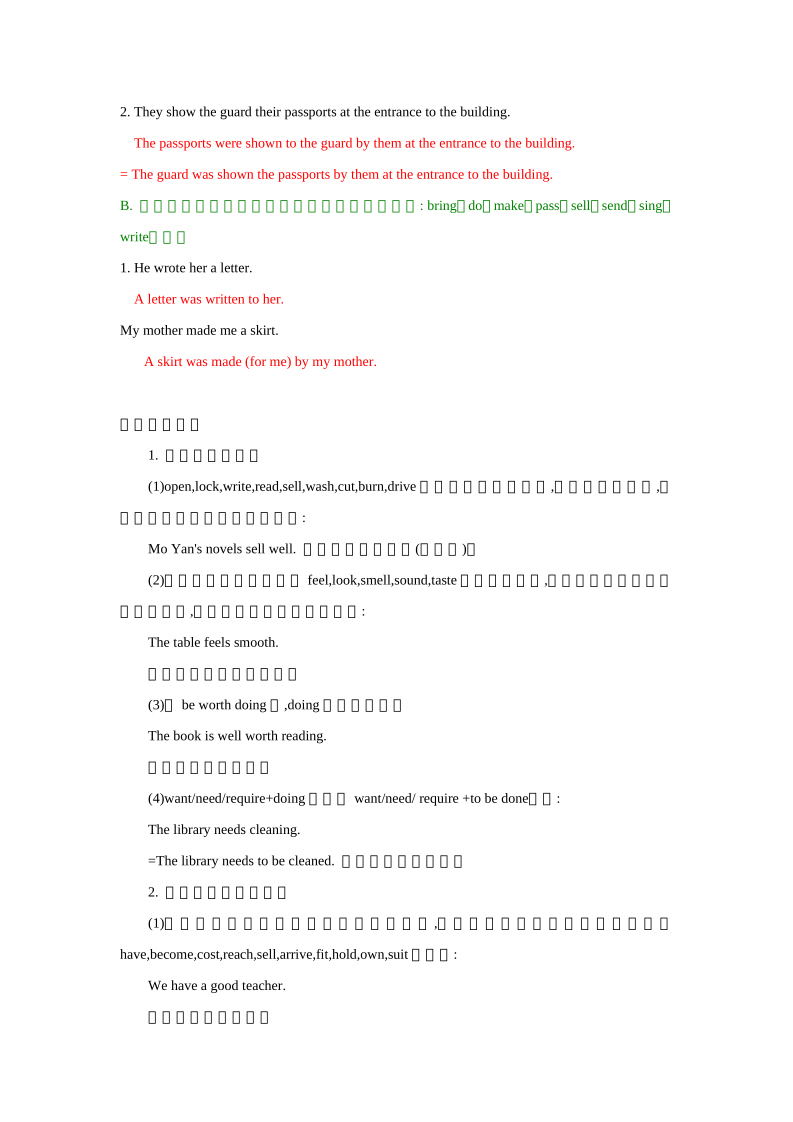
2. They show the guard their passports at the entrance to the building.
The passports were shown to the guard by them at the entrance to the building.
= The guard was shown the passports by them at the entrance to the building.
B. 通常用直接宾语作被
资源预览图

1

2
3
相关资源
示范课
由于学科网是一个信息分享及获取的平台,不确保部分用户上传资料的 来源及知识产权归属。如您发现相关资料侵犯您的合法权益,请联系学科网,我们核实后将及时进行处理。